- Categories:
- Cultural
- Tags:
- AppreciationFestivitiesHistorical
- Where:
- International
- Date change rule:
- Every February 23
- Holiday emoji:
- 🇬🇾
Guyana Republic Day, also known as Mashramani, unites the nation in vibrant celebration every February 23. This significant holiday commemorates Guyana’s transition to a republic in 1970, marked by elaborate parades, music, and cultural displays. Join in the festivities by exploring local events, sharing Guyanese culture, and learning about the nation’s rich heritage.
Want to sponsor Guyana Republic Day? Learn how
Expected Guyana Republic Day Deals
Guyana Republic Day is a time for national pride and cultural celebration, rather than commercial deals. Local businesses, particularly those in the Guyanese diaspora, often offer special promotions on traditional foods, crafts, and music. Restaurants might feature Guyanese cuisine, while cultural centers could host events showcasing music and dance. Many community organizations will organize fundraising drives to support cultural preservation and educational programs. Look for special events at Guyanese embassies and consulates worldwide. We will update this page with confirmed live events and community initiatives as February 23 approaches.
Platform Guide for Guyana Republic Day
Tag @nationaltoday_ and use #GuyanaRepublicDay. Share vibrant photos and reels of Mashramani parades, traditional attire, and Guyanese culinary delights.
Mention National Today (facebook.com/nationaltoday) and use #Mashramani. Create community events for local celebrations or share historical insights about Guyana’s journey to republicanism.
X/Twitter
Mention @NatlToday and use #Guyana. Share real-time updates from celebrations, national news, or discussions about Guyana’s cultural impact and achievements.
Guyana Republic Day Hero
Forbes Burnham
History of Guyana Republic Day
Guyana celebrates its Republic Day on February 23 each year. It is a day to celebrate the nation becoming a republic. The modern history of Guyana started with the Spanish expeditions. The Dutch started settling in Guyana in the 16th century. Spain claimed Guyana as theirs, but the Treaty of Munster in 1648 shifted the power back to the Dutch. The Dutch exploited the country for their commercial ambitions and created plantations to produce tobacco and other agricultural products. The following period saw the arrival of a massive slave population from Africa and their revolts against the brutal treatment they had to face.
By 1746, British plantation owners in Guyana increased, which caused a shift in the colonial powers in the area. The Napoleonic Wars and the subsequent political turmoil in Europe led to a shift in the control of colonies. Control over Guyana shifted between the Netherlands, Britain, and France. Finally, in 1831, Guyana became a British colony and would remain so until 1966. Some of the important historical events that shaped Guyana during this period included border conflict with Venezuela, labor problems, Britain’s abolishment of slavery, Chinese labor migration, the East Indian labor introduction, etc.
On May 26, 1966, a group of political parties led by the P.N.C. formed a coalition government. Forbes Burnham led this new coalition and took the colony to independence. On February 23, 1970, Guyana declared itself a cooperative republic and removed the British monarchy completely from power. The government began to address concerns of the economy brought about by colonial rule. The main economic activities of the country are agriculture and mining, and the new government took over the independent companies that were in the industries.
Even before Guyana’s independence, young adults of leadership and civic organizations celebrated Independence Carnivals in Linden, a city in Guyana. After independence, these young adults formed a committee to organize the celebrations and chose the name Mashramani. The main celebrations were moved to the capital Georgetown, but the activities are still rotated between Linden, Berbice, and Georgetown every year.
Guyana is ethnically diverse, with not only people of the indigenous tribes but also people from India, Africa, Europe, and China who either came or were brought over as slaves. The diversity of heritage results in intensely colorful and competitive celebrations on Mashramani/Republic Day, where people from all these different groups come together to celebrate the country.
Guyana Republic Day timeline
The first humans from Eurasia settle in Guyana.
During his expedition through the Essequibo River, Alonso de Ojeda meets the tribes in Guyana.
They are the first to establish colonies in Guyana.
Dutch establishments are the first European settlements in Guyana.
Enslaved African workers rebel against the harsh conditions in the plantations controlled by European planters in Guyana.
The British actually assume control of Guyana in 1796, but the Dutch hold on to their colonies and only formally secede in 1814.
A newly independent Venezuela took the opportunity to claim Guyanese land to the west of the Essequibo River.
Guyana becomes a co-operative republic with no ties to the British monarchy.
How Businesses Can Celebrate Guyana Republic Day
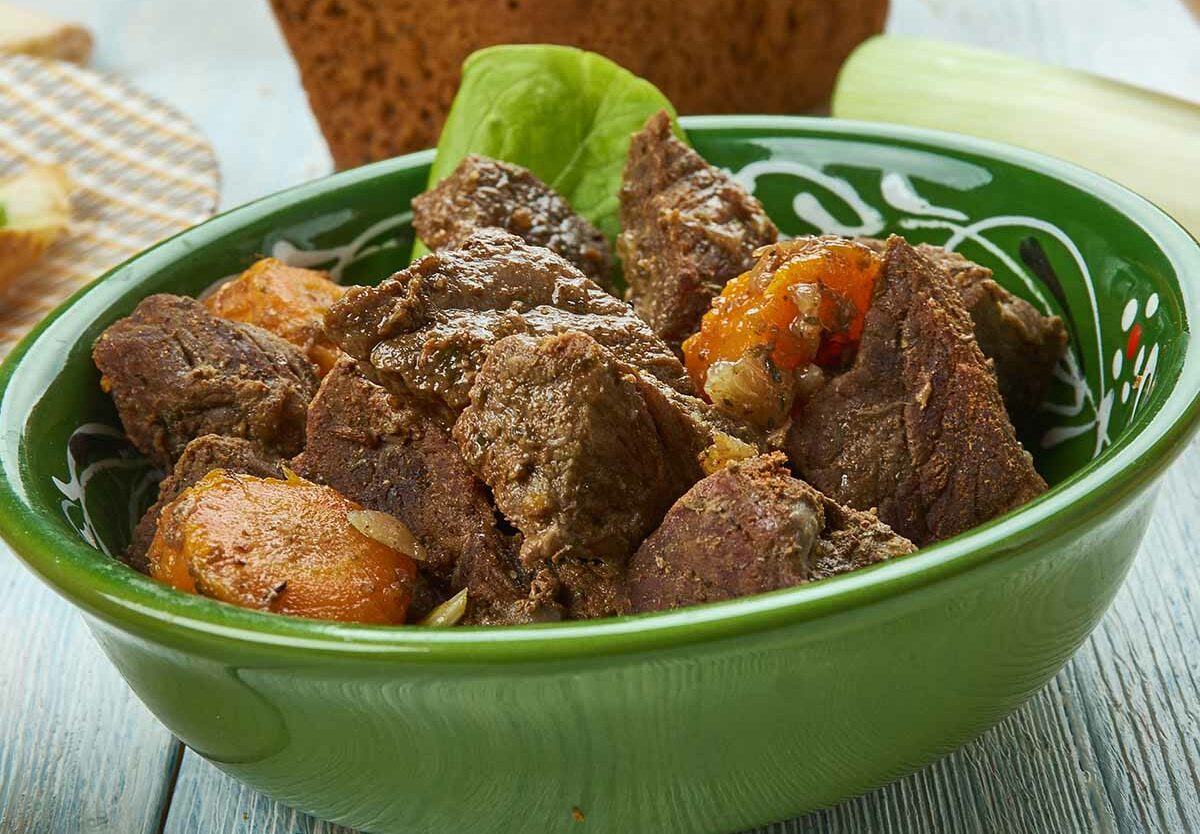
Local businesses in Guyana and within the Guyanese diaspora can honor Republic Day by decorating their premises with national colors and symbols. Restaurants can feature special menus with traditional Guyanese dishes like pepperpot, cook-up rice, and metemgee. Retailers might offer discounts on Guyanese-made products or host cultural showcases, supporting local artisans and performers. Engaging with community organizations to sponsor events or contribute to cultural preservation efforts also fosters goodwill and strengthens community ties.
Guyana Republic Day FAQs
When is Guyana Republic Day?
In 2027, Guyana Republic Day is observed on Tuesday, February 23, providing an opportunity for communities to unite and celebrate the nation’s republican status.
How is Mashramani celebrated?
The celebrations for Mashramani in 2027 will continue to reflect Guyana’s rich cultural tapestry, with major events held in Georgetown and other regions. Expect a lively atmosphere where Guyanese people come together to enjoy music, traditional foods, and artistic expressions.
What does 'Mashramani' mean?
In 2027, the meaning of ‘Mashramani’ continues to resonate deeply, symbolizing the collaborative spirit of the Guyanese people. This concept of communal celebration after shared work is central to the holiday’s cultural significance and festive atmosphere.
Is Guyana Republic Day a public holiday?
As a national public holiday, Guyana Republic Day in 2027 will again see businesses, schools, and government offices closed. This ensures that all Guyanese citizens have the opportunity to join in the celebrations commemorating the nation’s republican status.
How to Observe Guyana Republic Day
Wear Guyana’s traditional attire
Guyana has a rich historical tradition with unique traditional attire. Celebrate by wearing traditional Guyana attire for the day.
Visit Guyana
Guyana is a land of beautiful landscapes and people. Plan to visit Guyana for Guyana Republic Day or start saving for the trip.
Wish a local a happy Republic Day
Meet up with someone from Guyana, either directly or online. Wish them a happy Republic Day or give them a gift to commemorate the day.
5 Important Facts About Guyana
80% forest
Pristine forest covers 80% of the landmass of Guyana.
The meaning of the name Guyana
The word ‘Guyana’ means ‘the land of water.’
The official language
Guyana is the only South American country that has English as its official language.
The largest mammal
The tapir is Guyana’s largest mammal.
National animal and flower
Guyana’s national animal is the jaguar, and its national flower is the water lily.
Why Guyana Republic Day is Important
We love the Guyanese people
The culturally and ethnically diverse nation is full of wonderful people, and we want to help them celebrate the day Guyana became a Republic.
We want to experience Guyana
No other celebration brings the people of Guyana together like Mashramani, and we think this is the best way to experience all things Guyanese!
It showcases the country as a safe investment option
The country’s financial status is looking good, and its economy is one of the most stable economies. Guyana is a safe investment option for those interested in overseas investment.
Guyana Republic Day dates
| Year | Date | Day |
|---|---|---|
| 2027 | February 23 | Tuesday |
| 2028 | February 23 | Wednesday |
| 2029 | February 23 | Friday |
| 2030 | February 23 | Saturday |
| 2031 | February 23 | Sunday |





Social Media Tips for Guyana Republic Day
Individuals
Creators
Brands