- Categories:
- Animal
- Tags:
- AwarenessConservationEnvironment
- Where:
- International
- Date change rule:
- Third Saturday of August
- Holiday emoji:
- 🐝
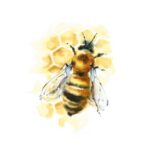
World Honey Bee Day reminds us every third Saturday in August of the critical role these tiny insects play in our ecosystem. Take action by planting pollinator-friendly gardens, supporting local beekeepers, and spreading awareness about the threats bees face.
Want to sponsor World Honey Bee Day? Learn how
Expected World Honey Bee Day Deals
As World Honey Bee Day approaches, the focus shifts from commercial deals to crucial fundraising and awareness initiatives. Organizations like The Honeybee Conservancy and Pollinator Partnership will likely launch donation drives and educational campaigns, often partnering with environmentally conscious brands. Expect companies such as Burt’s Bees and Savannah Bee Company to highlight their sustainable practices and offer special promotions that contribute a portion of sales to bee conservation efforts. Many local beekeepers and artisanal honey producers will also participate with special events and educational workshops. We will update this page with confirmed live initiatives as August approaches, encouraging direct support for bee health and habitat preservation.
Platform Guide for World Honey Bee Day
Tag @nationaltoday_ and use #WorldHoneyBeeDay. Share photos and videos of your pollinator-friendly garden, local honey finds, or educational content about bee conservation.
X/Twitter
Mention @NatlToday and use #WorldHoneyBeeDay. Engage in discussions about bee health, share alarming statistics, and retweet calls to action from conservation groups.
Mention National Today (facebook.com/nationaltoday) and use #WorldHoneyBeeDay. Join community groups dedicated to bee conservation, share educational articles, and invite friends to local events.
World Honey Bee Day Hero
Eva Crane
History of World Honey Bee Day
The first World Honey Bee Day was held in 2009, and it has since grown in popularity. The holiday is intended to promote beekeeping, but it also exposes a lot about honey bees.
Honey’s sweetness is often celebrated during the holiday season. It is used in some of the most delectable dishes found all around the world. Honey has a worldwide appeal and is frequently used as a metaphor for fruitfulness in literature.
Since the earliest civilizations, honey has been used as a sweetener for all sorts of food. Though the method of collecting honey was sometimes painful, the people still happily took the risk.
The importance of honey was not limited to edibility alone. It has been used as a preservative and for treating certain ailments. The benefits of honey quickly sparked the desire for beekeeping since the Egyptian civilization.
The method and upkeep improved as time went on. After a comb harvest, a man named Lorenzo Langstroth discovered a way to keep the hive going.
Bees were also discovered to have a significant role in pollination. Because pollination is so crucial to us, this has drawn a lot of attention to the role of bees. World Honey Bee Day is a holiday dedicated to raising awareness about the bee’s numerous advantages. It’s a day to celebrate beekeeping and encourages you to learn more about it. However, it is also a day that reminds us of the worldwide extinction of bee species. It’s a holiday that encourages us to think about our impact on the environment.
World Honey Bee Day timeline
The first organized form of beekeeping is developed in Egypt.
Euripides describes the process of cheese being dipped into honey.
Cave paintings, which depict the collection of honey from a hive, are discovered in Spain.
The first World Honey Bee Day is celebrated.
How Businesses Can Celebrate World Honey Bee Day
Local businesses can actively participate in World Honey Bee Day by highlighting the importance of pollinators. Restaurants could feature dishes with locally sourced honey or produce that relies on bee pollination, offering a ‘pollinator plate’ with a portion of proceeds donated to a local bee charity. Garden centers can host workshops on creating bee-friendly gardens, while coffee shops might offer discounts to customers who bring their own reusable cups adorned with bee motifs. Emphasize sustainable practices and educate customers on how their choices impact bee populations.
World Honey Bee Day FAQs
When is World Honey Bee Day?
World Honey Bee Day 2026 falls on Saturday, August 15, a perfect weekend opportunity to engage with local conservation efforts and learn about these vital insects.
How many species of bees are there?
Globally, there are approximately 20,000 known species of bees, with about 4,000 native to North America alone. While honey bees are well-known, this vast diversity highlights the complexity of pollinator ecosystems.
How important are bees to the ecosystem?
Bees are crucial pollinators, responsible for pollinating roughly one-third of the food we eat, including many fruits, vegetables, and nuts. Their work supports biodiversity and agricultural productivity, making them foundational to both natural and human food systems.
What threats do honey bees face?
Honey bees face numerous threats, including habitat loss, pesticide use (particularly neonicotinoids), climate change, and diseases like colony collapse disorder. These factors collectively contribute to declining bee populations worldwide.
How To Observe World Honey Bee Day
Attract bees to your garden
You can decorate your garden with nectar plants. This will attract the bees, which will harmlessly come for the nectar.
Learn more about honey bees
You can learn a lot about honey bees on World Honey Bee Day. This will also educate you on what you can do to assist in the conservation of bees.
Enjoy meals made with honey
There's no other day to better appreciate the many delicacies that are embellished with honey. It is fun to enjoy these delicacies with family and friends.
5 Interesting Facts About Honey
Honey has several health benefits
Honey is widely and effectively used to treat several ailments.
Honey is a natural sweetener
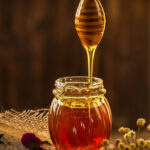
Honey is considered one of the best sweeteners for beverages and other foods.
It is a natural ingredient
Several delicacies are baked or cooked with honey.
Nectar affects the flavor of the honey
Because bees eat on different types of nectar plants, honey has a variety of flavors.
Honey can last a very long time
When honey is well preserved, it can remain edible for thousands of years.
Why World Honey Bee Day is Important
Bees are worthy of attention
It is important to understand the importance of bees in our ecosystem. On World Honey Bee Day, we learn more about our responsibilities towards bees.
Bees can make your garden blossom
When bees visit your flowers to get nectar, they also pollinate. The holiday encourages us to attract more bees.
Honey is delicious
There are so many delicacies made with honey. On World Honey Bee Day, we try to enjoy as many of these delicacies as we can.








Social Media Tips for World Honey Bee Day
Individuals
Creators
Brands