- Categories:
- Cultural
- Tags:
- Cultural HolidaysFestivitiesIndian Holidays
- Where:
- India
- Date change rule:
- Every February 15
- Holiday emoji:
- 🇮🇳
Lui-Ngai-Ni brings together the diverse Naga tribes of Manipur, India, every February 15. This significant rural festival fosters unity and celebrates ancestral traditions. Learn about its rich history and explore ways to honor indigenous cultures.
Want to sponsor Lui-Ngai-Ni? Learn how
Expected Lui-Ngai-Ni Deals
As a regional cultural holiday, Lui-Ngai-Ni focuses less on commercial deals and more on community and tradition. Local artisans and craftspeople in Manipur may showcase traditional Naga textiles and handicrafts at special markets. Cultural organizations often host events highlighting Naga music, dance, and cuisine. We will update this page with information on community gatherings and cultural programs as February 15 approaches.
Platform Guide for Lui-Ngai-Ni
Mention National Today (facebook.com/nationaltoday) and use #LuiNgaiNi. Share photos and stories of cultural celebrations or traditional Naga attire.
Tag @nationaltoday_ and use #LuiNgaiNi. Post visuals of traditional Naga dances, rituals, or community feasts.
YouTube
Subscribe to @NationalToday for holiday video content. Find documentaries or cultural performances related to Naga traditions.
Lui-Ngai-Ni Hero
Haipou Jadonang
History of Lui-Ngai-Ni
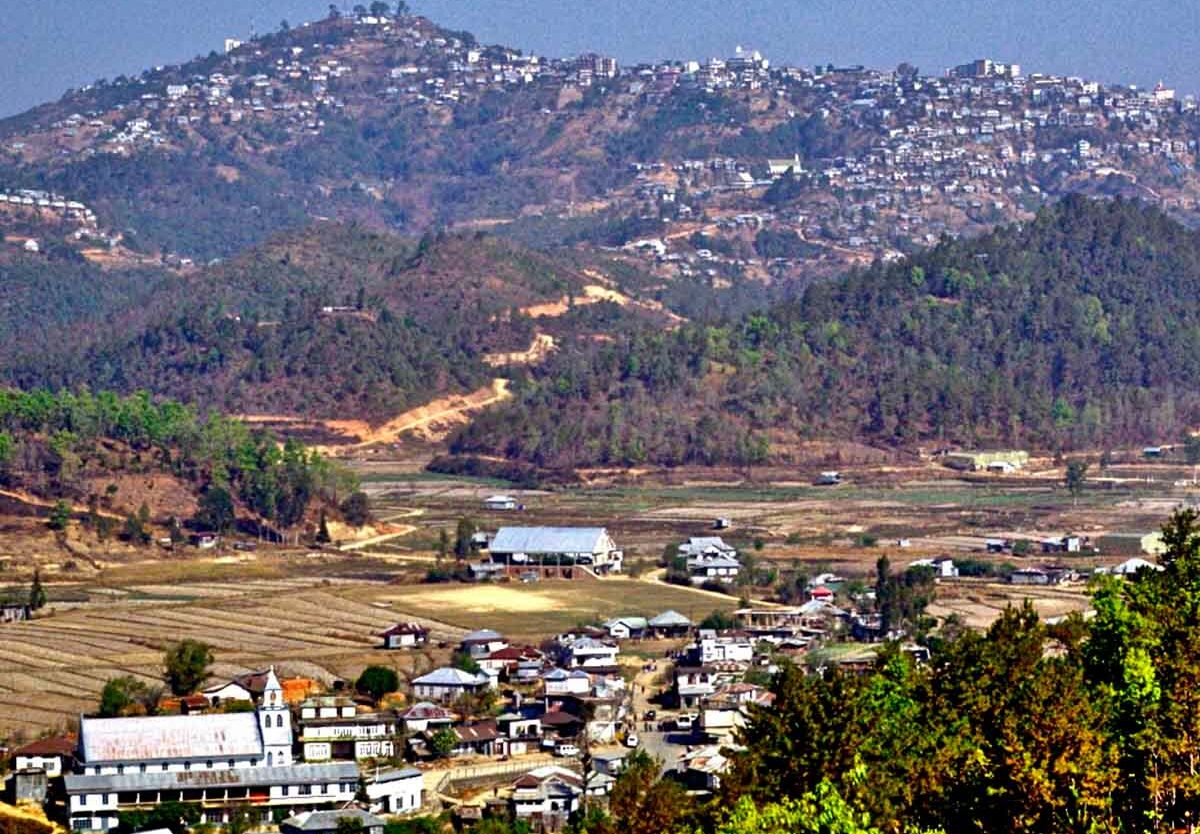
Lui-Ngai-Ni is an agrarian festival. This seed-sowing festival is celebrated by the Naga tribes of Manipur. The Naga people live in the northeastern parts of India and northwestern Myanmar and have a significant population in Manipur. Lui-Ngai-Ni is an occasion for the Naga tribes in Manipur to come together and celebrate their rich cultural heritage and strengthen Naga solidarity. Nagas of Manipur include Mao, Tangkhul, Moyon, Anal, Tarao, Chothe, Koireng, Thangal, Puimei, Monsang, Lamkang, Chiru, Kharam, Maram, Poumai, Zeme, Liangmai, Rongmei, and Maring.
But what does the word Lui-Ngai-Ni mean? Interestingly, the name of the festival is actually made up of three native words. The name is a reflection of diverse heritage as it is made up of three words in three different Naga languages! ‘Lui’ is a shortened version of ‘Luiraphanit,’ which means ‘seed sowing festival’ in the Tangkhul language, while ‘ngai’ is the Rongmei word for ‘festival.’ Lastly, ‘ni’ also means ‘seed sowing festival’ in the Mao language. This festival is celebrated by asking the god of crops to bless the sown seeds and ensure their good health. The festival is celebrated in hopes of a fruitful harvest.
Various cultural activities are part of the Lui-Ngai-Ni festival. People celebrate the day by wearing traditional clothes, beating drums, and dancing to folk songs. The day is filled with merriment. Lui-Ngai-Ni is celebrated in all the Naga inhabited areas in Manipur and the main festivity is hosted alternately between the main Naga district headquarters in the state.
The traditions of the festival are rooted in age-old customs and practiced by almost every Naga person. This is also a wonderful time to visit the state of Manipur.
Lui-Ngai-Ni timeline
This happens under British rule.
The state merges with India through the Treaty of Accession.
It is accepted as a full-fledged state of India.
Manipur celebrates 50 years of statehood.
How Businesses Can Celebrate Lui-Ngai-Ni
Local businesses in Manipur can honor Lui-Ngai-Ni by closing for the day to allow employees to participate in community celebrations, reflecting its status as a state holiday. Restaurants might offer special Naga cuisine, while local shops could feature traditional Naga crafts and textiles. Businesses can also sponsor cultural events or donate to organizations dedicated to preserving indigenous traditions, demonstrating respect for the local heritage.
Lui-Ngai-Ni FAQs
When is Lui-Ngai-Ni?
In 2027, Lui-Ngai-Ni is observed on Monday, February 15, marking an important occasion for community gatherings and traditional rituals across Manipur.
What is the significance of Lui-Ngai-Ni?
Beyond agriculture, Lui-Ngai-Ni serves as a vital platform for the Naga people to reaffirm their cultural identity through traditional dances, songs, and rituals, strengthening community bonds.
Where is Lui-Ngai-Ni celebrated?
While its roots are in Manipur, smaller observances may occur in other Naga-populated regions of Northeast India, bringing together communities to honor their shared heritage.
Is Lui-Ngai-Ni a public holiday?
The holiday status ensures that the Naga tribes can fully participate in the traditional rituals and community feasts without work obligations, reinforcing its cultural importance.
Lui-Ngai-Ni Activities
Greet your Manipuri friends
Celebrate Lui-Ngai-Ni by greeting your Manipuri friends. You may also join in the celebrations and partake in dancing, singing, and seed sowing. This is a wonderful way to learn about a different culture.
Plant a tree
Since Lui-Ngai-Ni is a seed sowing festival, you can celebrate the day by planting a tree. You may also ask for blessings for your plant so that it grows up to be healthy and robust.
Visit Manipur
A great way to observe Lui-Ngai-Ni is by visiting Manipur. It is a beautiful tourist state with many wonderful sights to see. The month of February also offers hospitable weather to tourists.
5 Interesting Facts About Manipur
Manipur has a hidden meaning
It means “a place of gems” or “the jeweled land.”
The land of Gandharvas
Manipur is believed to be the home of the dancing spirits.
A floating national park
It’s home to Keibul Lamjao National Park, the world’s only floating national park.
The world’s oldest polo ground
The polo ground dates back to the 14th Century.
Permission is needed to visit
Before visiting Manipur, domestic and international tourists have to apply for a permit.
Why We Love Lui-Ngai-Ni
It’s a celebration of nature
Lui-Ngai-Ni is the celebration of nature, more specifically of agriculture and harvest. On this day, worshippers ask for blessings on behalf of nature and pray that the harvest is bountiful.
It’s steeped in tradition
Celebrating Lui-Ngai-Ni keeps alive the age-old traditions of the Naga people. This is a way to pass down one’s culture and familiarize other people with the Naga way of life.
It brings people together
Lui-Ngai-Ni is as much a celebration of agrarian ways as much as it is an attempt to bring the Naga tribes together. On this day, the tribes renew their solidarity and celebrate their heritage.
Lui-Ngai-Ni dates
| Year | Date | Day |
|---|---|---|
| 2027 | February 15 | Monday |
| 2028 | February 15 | Tuesday |
| 2029 | February 15 | Thursday |
| 2030 | February 15 | Friday |
| 2031 | February 15 | Saturday |






Social Media Tips for Lui-Ngai-Ni
Individuals
Creators
Brands