- Categories:
- Federal
- Tags:
- CivicHistorical
- Where:
- The Netherlands
- Date change rule:
- Every May 5
- Holiday emoji:
- 🇳🇱
Liberation Day (Bevrijdingsdag) honors the end of Nazi occupation in the Netherlands every May 5. This solemn yet festive occasion celebrates peace and security with parades, music festivals, and remembrance ceremonies. Join the Dutch people in reflecting on history and cherishing freedom.
Want to sponsor Liberation Day (Bevrijdingsdag)? Learn how
Expected Liberation Day (Bevrijdingsdag) Deals
Liberation Day in the Netherlands is less about commercial deals and more about remembrance and celebration. Expect museums like the Anne Frank House and the National War and Resistance Museum to see increased visitors, often offering special exhibits. Local municipalities and cultural organizations may offer free access to concerts and historical events. Many Dutch bakeries will feature traditional treats. We will update this page with confirmed live events and special commemorations as May 5 approaches.
Platform Guide for Liberation Day (Bevrijdingsdag)
X/Twitter
Mention @NatlToday and use #Bevrijdingsdag. Share photos and videos from parades, concerts, and remembrance ceremonies across the Netherlands.
Mention National Today (facebook.com/nationaltoday) and use #LiberationDayNL. Post about local events, historical insights, and personal stories of freedom.
Tag National Today (linkedin.com/company/nationaltoday) and discuss the historical significance of liberation for modern Dutch society and business.
Liberation Day (Bevrijdingsdag) Hero
Queen Wilhelmina
History of Liberation Day (Bevrijdingsdag)
The Second World War began in 1939 and lasted until 1945. In 1940, the Dutch foreign policy was neutrality, as it had been for a century. The nation’s policy was to avoid international conflicts until it was attacked, a strategy that worked for them in the past. However, World War II was a different story when Nazi Germany invaded the country.
One may wonder why German forces invaded the Netherlands. Germany invaded Poland in September 1939, which led to Great Britain and France declaring a war on Germany. This event marked the beginning of World War II that would ultimately have devastating effects and destroy lives, land, and property for the next six years. The occupation of the Netherlands was part of a larger picture. Adolf Hitler’s goal was to conquer France by bypassing the French defense line at the eastern border by going through the Netherlands and Belgium. Furthermore, by occupying the Netherlands, Hitler could prevent England from setting up a base of operations there.
After being occupied for several years, in 1945, the army troops of America, Canada, Britain, and Poland entered the Netherlands from the east and succeeded in liberating the eastern and northern provinces. Ultimately, on May 5, an agreement was reached between General Charles Foulkes of the Canadian forces and the German general Johannes Blaskowitz for the surrender of the German forces at Hotel de Wereld in Wageningen. However, even after the surrender, some German troops remained on Dutch soil until May 8.
Nevertheless, that’s how Liberation Day came into being and why it is celebrated on May 5, as it marks the date of the German surrender. It is interesting to note that Liberation Day was made an annual observance only after 1990 — up until then it was observed every five years.
Liberation Day (Bevrijdingsdag) timeline
Despite the Netherlands’ declaration of neutrality, Nazi Germany invades the country.
Allied forces start advancing across Europe with key engagements in the south of the Netherlands by September of the same year.
German General Blaskowitz and General Foulkes from the Canadian forces reach an agreement on the surrender.
Until 1990, Liberation Day was observed only once every five years.
How Businesses Can Celebrate Liberation Day (Bevrijdingsdag)
Local businesses in the Netherlands can respectfully acknowledge Liberation Day by displaying the Dutch flag and participating in community remembrance events. Restaurants might offer special menus featuring traditional Dutch cuisine, while cultural venues can host discussions or screenings related to WWII history. Businesses can also support local veteran organizations or peace initiatives, reinforcing the day’s core values of freedom and security.
Liberation Day (Bevrijdingsdag) FAQs
When is Liberation Day (Bevrijdingsdag)?
Liberation Day (Bevrijdingsdag) will be observed on Wednesday, May 5, 2027. It’s a day of national celebration and reflection, commemorating the freedom regained after years of wartime struggle.
How is Liberation Day celebrated in the Netherlands?
The day typically begins with remembrance services for war victims, followed by widespread celebrations of freedom. In 2027, look for the traditional Liberation Festivals (Bevrijdingsfestivals) held in 14 cities, featuring live music and diverse programming.
Is Liberation Day a public holiday in the Netherlands?
While not a mandatory day off for all workers in 2027, the day is widely recognized and celebrated. Many schools and government offices may close, and public transport schedules might be altered due to events and parades.
What is the significance of May 5 for the Netherlands?
The date holds profound significance as a reminder of the sacrifices made for freedom and the importance of democratic values. It serves as a powerful annual occasion to reflect on the past and look towards a future of peace and security.
How To Celebrate Liberation Day
Read up about the Netherlands’ history
Usually, Liberation Day is celebrated with much gusto but if you’re not in the country, you can still celebrate by reading up and immersing yourself in Dutch history.
Search for online events
Since we live in a digital world, you can easily find online events that will be hosted to celebrate this day.
Host a Dutch-themed party
Even if you cannot celebrate in the Netherlands itself, you can host a party with your friends and family nonetheless. Get together, whip up some good food, create a playlist, and enjoy the privileges of living in a free world.
5 Surprising Facts About The Netherlands
The Netherlands and Holland are not the same
The Netherlands and Holland are often used interchangeably, however, the former consists of 12 provinces and the latter is an area that consists of only two provinces.
Foreign-born population
One-fifth of the population in the Netherlands is foreign-born and more than half of the country’s immigrants are of non-Western origin.
Official language
The Netherlands only has one official language and that is Dutch.
Tulips aren’t native to the Netherlands
They were imported from Turkey in the 16th century and when the prices of tulip bulbs rose, the farmers started cultivating them themselves.
Sixth happiest country in the world
The Netherlands is the sixth happiest country in the world according to the World Happiness Report in 2020.
Why Liberation Day is Important
It showcases the significance of freedom
Liberation Day teaches us how to take cognizance of the value of living in a free country, as not everyone in the world may have the same privilege.
It celebrates Dutch culture
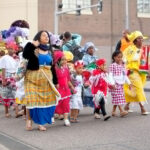
Liberation Day is celebrated across the country with performances, parades, music festivals, etc. This provides a common place for people to come together and celebrate Dutch culture by commemorating their freedom from the Nazi occupation.
It remembers the forces that liberated the Netherlands
The Netherlands was liberated by mainly Canadian, British, and Polish armies and this day helps to remember and honor their efforts.





Social Media Tips for Liberation Day (Bevrijdingsdag)
Individuals
Creators
Brands