- Categories:
- Special Interest
- Tags:
- EducationalHistoricalTechnology
- Where:
- United States
- Date change rule:
- Every August 19-25
- Holiday emoji:
- ✈️
National Aviation Week takes flight every August 19–25, commemorating the profound impact of air travel and aerospace technology. This week-long observance highlights the history of aviation, from the Wright brothers’ first flight to modern-day advancements. Explore local events, educational programs, and discover ways to celebrate the ingenuity that keeps us connected globally.
Want to sponsor National Aviation Week? Learn how
Expected National Aviation Week Deals
As a Recognition holiday, National Aviation Week focuses less on commercial deals and more on educational and professional development opportunities. Expect aviation museums to offer discounted admission or special exhibits. Organizations like the Experimental Aircraft Association (EAA) and the Aircraft Owners and Pilots Association (AOPA) may promote membership drives or offer webinars on flight safety and innovation. Aerospace companies such as Boeing and Lockheed Martin might host virtual career fairs or STEM outreach programs. Local flight schools could provide introductory flight lessons at a reduced rate, encouraging new enthusiasts. We will update this page with confirmed live events and programs as August 19 approaches.
Platform Guide for National Aviation Week
Tag National Today (linkedin.com/company/nationaltoday) and use #NationalAviationWeek. Share insights on aerospace careers, industry trends, or historical milestones.
X/Twitter
Mention @NatlToday and use #NationalAviationWeek. Post real-time updates from aviation events, share historical facts, or engage in discussions about the future of flight.
Tag @nationaltoday_ and use #NationalAviationWeek. Share stunning photos of aircraft, historical aviation moments, or behind-the-scenes glimpses from airports and airshows.
National Aviation Week Hero
Orville and Wilbur Wright
History of National Aviation Week
Aviation is an invention that has existed for centuries in various forms. Why did humans want to fly? Because birds served as an example that living things can survive at a certain height. Inspired by their flights, legends regarding human flight started to be introduced in ancient Greek mythology. For instance, there is a legend of Icarus –— the flying human. However, it wasn’t until 1000 B.C. that a kite, the first flying device, was invented in China. In 852 B.C., a failed flying attempt took place where English King Bladud tried to fly but was killed in the process. Innovation improved by 400 B.C. and Archytas of Tarentum is reported to have made a steam-propelled pigeon. In 1250 A.D., English cleric Robert Bacon wrote about mechanical flight, and finally, between 1485 to 1500, Leonardo da Vinci began to design flying machines and parachutes. From that time onwards, the inventions related to flying only advanced.
In 1647, Italian inventor Tito Livio Burattini was invited by the Polish King Władysław IV to his court in Warsaw. This was the time he built a model aircraft with four fixed glider wings that became known as the “four pairs of wings attached to an elaborate dragon”. The device managed to lift a cat in 1648, but could not be used to help humans fly. This was considered the most sophisticated flying device of the 19th century. The airplanes as we know them today were developed by Orville Wright in the 1900s and the first flight of his invention lasted for 12 seconds. The Wright Brothers are recognized as the first to invent aircraft controls that made fixed-wing flight possible.
National Aviation Week timeline
The word ’aviation’ is coined by writer and naval officer Gabriel La Landelle.
The hot air balloon is invented.
Otto Lilienthal creates controlled gliding flying
The Wright Brothers construct the first powered airplane.
How Businesses Can Celebrate National Aviation Week
Local businesses can celebrate National Aviation Week by highlighting the role of aviation in their operations or community. Travel agencies can offer special packages to destinations accessible by air, emphasizing the freedom and speed of flight. Educational centers can host workshops on aerospace engineering or the physics of flight. Restaurants could feature aviation-themed decor or menu items for the week. Companies involved in logistics or shipping can showcase how air cargo facilitates their global reach, perhaps with behind-the-scenes content or employee spotlights.
National Aviation Week related content
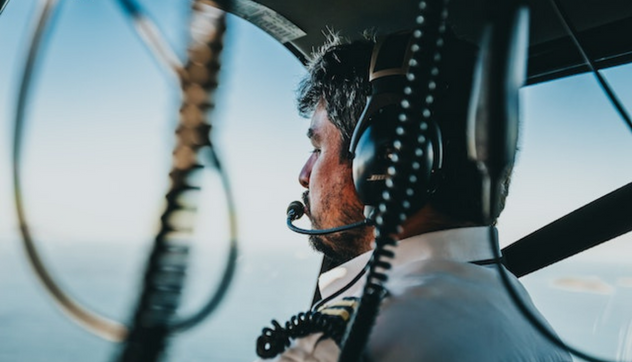
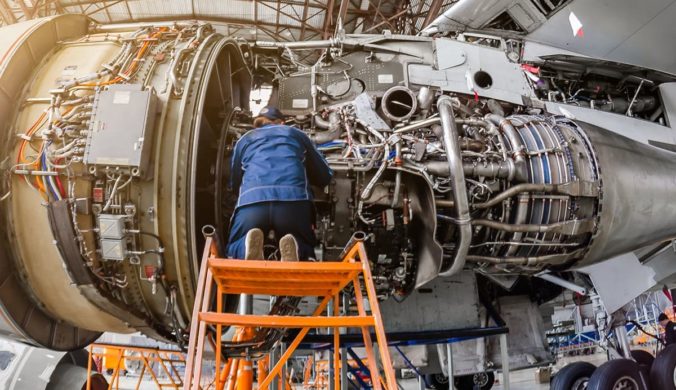
Aviation Maintenance Technician Day
Aviation Maintenance Technician Day on May 24 recognizes the essential contributions of aircraft mechanics who ensure the safety and reliability of air travel. Take a moment to appreciate these highly skilled individuals who work tirelessly behind the scenes. Show your gratitude to the experts who keep us flying safely.
See More
National Aviation Day
National Aviation Day takes flight every August 19, commemorating the incredible advancements and pioneers in aviation history. This federal observance, coinciding with Orville Wright's birthday, invites us to appreciate the revolutionary impact of flight. Explore local air shows, visit aviation museums, or share your favorite flying memories.
See MoreNational Aviation Week FAQs
When is National Aviation Week?
In 2027, National Aviation Week will be observed from Thursday, August 19, through Wednesday, August 25, marking another year of honoring aviation’s enduring legacy. The fixed dates make it easy to plan for this annual recognition.
How many people work in the aviation industry?
Looking at the U.S. workforce, the aviation industry is a significant employer, with estimates consistently showing its support for millions of direct and indirect jobs. This includes manufacturing, airlines, airports, and related services, underscoring its critical role in the national economy.
What is the economic impact of aviation?
The economic footprint of aviation remains vast in 2027, serving as a catalyst for growth across numerous sectors. It enables businesses to reach international markets, drives tourism, and creates significant employment, making it an indispensable component of the global economy.
What is the significance of National Aviation Day during this week?
Coinciding with the start of National Aviation Week, National Aviation Day on August 19, 2027, honors the birth of Orville Wright. Its placement within the week emphasizes the historical roots of flight and provides a dedicated moment to reflect on the foundational innovations that made air travel possible.
How to Celebrate National Aviation Week
Visit an aviation museum
To observe the week and view some unique models of airplanes and aviation devices, visit an aviation museum.
Travel on a plane
What better way to mark the week than by traveling on an aviation device such as an airplane? Another option is to hop into a hot-air balloon.
Watch a documentary
The easiest way to catch up on the history of the week is by viewing a famous documentary that covers all the essential dates in the history of aviation.
5 Fun Facts About Aviation
A fear of flying
80% of the population is afraid to fly — the fear is known as aerophobia.
The weight of a Boeing 747 engine
It weighs almost 9,500 pounds.
The population that travels by airplane
Only 5% of the world population has traveled by air.
Cabin crew rules in the 1930s
Airlines wouldn’t hire women over the age of thirty.
The oxygen masks on airplanes
They provide only 12 minutes of airflow.
Why We Love National Aviation Week
It celebrates history
The history of aviation is a long and complicated one. It also took years and constant experimentation to reach the point we are at today. Hence, it is essential to honor those who were responsible for the inventions.
It motivates the youth
Celebrating the week encourages and motivates the youth to work towards creating new inventions in the world of aviation.
It’s educational
For those who want to know about the past and the history of aviation, the week is extremely educational and provides unique information.
National Aviation Week dates
| Year | Date | Day |
|---|---|---|
| 2027 | August 19–25 | Thursday–Wednesday |
| 2028 | August 19–25 | Saturday–Friday |
| 2029 | August 19–25 | Sunday–Saturday |
| 2030 | August 19–25 | Monday–Sunday |
| 2031 | August 19–25 | Tuesday–Monday |












Social Media Tips for National Aviation Week
Individuals
Creators
Brands