
No More Week galvanizes individuals, organizations, and communities to take a stand against domestic abuse and sexual violence, typically falling between the first and second week of March. This vital campaign encourages everyone to learn the signs, speak out, and support survivors. Join the movement to foster safe environments and ensure a future free from violence.
Want to sponsor No More Week? Learn how
Expected No More Week Deals
No More Week focuses on awareness and fundraising rather than commercial deals. Organizations like NO MORE, RAINN, and the National Coalition Against Domestic Violence (NCADV) typically lead campaigns for donations, often partnering with corporate sponsors for matching gift programs. Brands such as Avon, with its long history of supporting women’s causes, and Verizon, through its domestic violence initiatives, may offer special ways to contribute or raise awareness. Look for opportunities to donate directly to these organizations, participate in virtual events, or purchase merchandise where proceeds benefit prevention and support services. We will update this page with confirmed live campaigns as March approaches.
Platform Guide for No More Week
Mention National Today (facebook.com/nationaltoday) and use #NoMoreWeek. Share educational resources, survivor stories (with consent), and ways to support local shelters.
X/Twitter
Mention @NatlToday and use #NoMoreWeek. Amplify statistics, policy updates, and calls to action from leading anti-violence organizations.
Tag @nationaltoday_ and use #NoMoreWeek. Create visually impactful posts with purple ribbons, infographics on healthy relationships, or share links to helplines.
No More Week Hero
Tarana Burke
History of No More Week
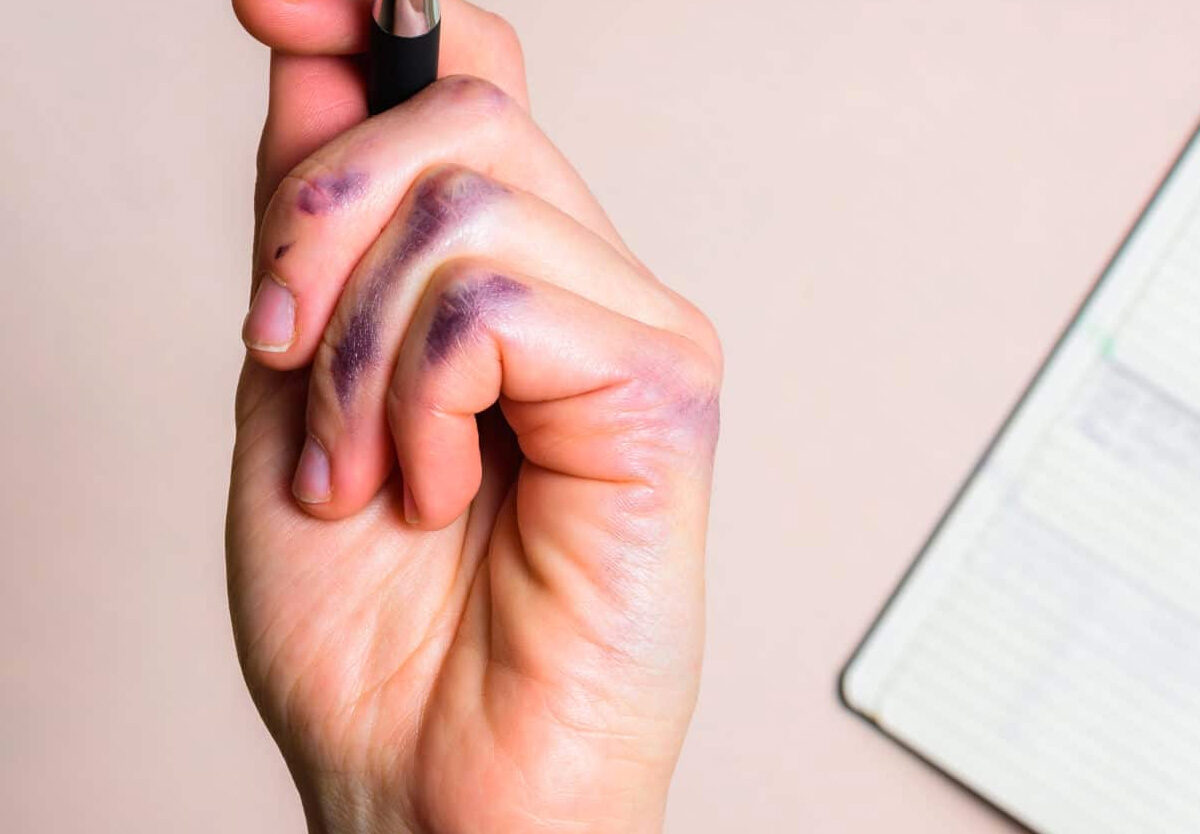
There has been a long silence on domestic abuse due to social constructs and a lack of information and support for domestic abuse victims in many parts of the world. A 2009 report in Northern Ireland showed that domestic abuse is the least likely of all violent crimes to be reported to the police. A survey of 28 European Union nations was undertaken in 2014. Only 14% of women reported their most serious event to the authorities, indicating a significant underreporting problem. It is safe to say that the statistic is even higher in countries in Asia and Africa which are red zones of domestic abuse and violence.
The No More project and National No More Week were founded in March 2013 by a collaboration of advocacy organizations to stop domestic violence worldwide. No More is a project of the charity called NEO Philanthropy. In September of that same year, they launched a media video campaign, “No More PSAs,” featuring celebrities to pass the written message. In 2016, No More helped raise over $1.2 million for grassroots organizations through the No More Challenge, an online fundraising competition held in 2016 and 2017.
The COVID-19 pandemic brought an upsurge in the number of domestic abuse cases. Reports show that stressful lockdown conditions triggered violence in homes. There was a recorded rise in intimate partner violence in Africa, Asia, and Europe. There was a 131% increase in domestic violence in areas with strict lockdown measures in India. Victims were trapped inside their houses with their abusers, with no means of escape, leading to further underreporting.
The fight against domestic abuse continues to rage for the safety of every woman and man in such conditions. National No More Week is here to get everyone to say “NO MORE!” to domestic abuse and bring about positive change on an international, societal, and individual level.
No More Week timeline
A report shows that domestic abuse is the least likely of all violent crimes to be reported to the police.
The No More project and National No More Week movement begins.
An online fundraising competition gathers funds for the No More movement.
Lockdown restrictions trigger more cases of domestic violence.
How Businesses Can Celebrate No More Week
Local businesses can observe No More Week by fostering a safe and supportive workplace environment and actively participating in awareness efforts. Consider hosting a donation drive for a local domestic violence shelter, offering a matching gift program for employee contributions to anti-violence organizations, or dedicating a portion of sales to a relevant cause. Displaying the NO MORE symbol and providing educational materials on workplace safety and resources for employees can also make a significant impact.
No More Week FAQs
When is No More Week?
In 2027, No More Week will be observed from Monday, March 8 through Sunday, March 14. This annual campaign provides an opportunity for global solidarity and action.
How many people are affected by domestic violence and sexual assault?
Millions worldwide are impacted by domestic violence and sexual assault each year. Statistics from organizations like UN Women indicate that globally, an estimated 1 in 3 women have experienced physical or sexual violence, mostly by an intimate partner.
What is the NO MORE symbol?
The distinctive NO MORE symbol serves as a powerful visual representation of the global commitment to end domestic violence and sexual assault. Its widespread adoption helps to break the silence and stigma surrounding these issues, encouraging open dialogue and intervention.
What is the goal of No More Week?
No More Week aims to unite individuals, organizations, and communities in a collective effort to end domestic violence and sexual assault. It seeks to educate the public, advocate for policy changes, and provide resources for those affected.
How to Observe No More Week
Attend a domestic violence education event near you
Attend a domestic violence/sexual assault education event near you. You can also bring a friend or family member with you.
Join the online campaign
Help create awareness by sharing related events, conversations, and experiences with friends online. You can also participate in donating to online fundraising and flying the hashtag #NoMoreWeek to help end domestic violence.
Wear the blue No More symbol
You can have the blue No More symbol printed on a plain t-shirt and wear it to show solidarity with the anti-domestic violence movement. Or download a sticker from the No More official website and attach it to your outfit.
5 Important Facts About Domestic Abuse
Underreporting
The majority of domestic abuse incidents go unreported to the authorities.
A woman is assaulted every nine seconds
Disheartening statistics show that a woman is assaulted or beaten every nine seconds in the U.S.
Women who are at the highest risk
According to statistics, women between the ages of 20 and 24 have the highest likelihood of becoming victims of domestic violence, according to statistics.
Abuse is not always physical
Domestic abuse may not always be physical and could be emotional, financial, or sexual.
A sobering statistic
Roughly 85% of domestic violence victims tend to be women.
Why No More Week is Important
It promotes positive change
We have the opportunity to change people's thinking and teach them not to tolerate abuse or to be abusive in any form. Domestic violence is a significant issue in every country, and we have the opportunity to promote positive change on a societal and individual level.
It gives a voice to the silenced
Many domestic abuse victims live in fear and silence. We urge them to step forward and say, "Well, No More!" and give a call for help by openly sharing their experiences.
It supports victims
Domestic abuse victims can now obtain the care they need to recover and get back on their feet. During these holidays, several charitable groups that help domestic abuse victims come to light.
No More Week dates
| Year | Date | Day |
|---|---|---|
| 2026 | March 2–8 | Monday–Sunday |
| 2027 | March 8–14 | Monday–Sunday |
| 2028 | March 6–12 | Monday–Sunday |
| 2029 | March 5–11 | Monday–Sunday |
| 2030 | March 4–10 | Monday–Sunday |








Social Media Tips for No More Week
Individuals
Creators
Brands