- Categories:
- Religious
- Tags:
- FestivitiesHinduIndian Holidays
- Where:
- India
- Date change rule:
- First day of the month of ‘Thai’ (mid-January)
- Holiday emoji:
- 🌾
Pongal, a vibrant four-day harvest festival, is celebrated every mid-January across South India, particularly in Tamil Nadu. This ancient observance expresses profound gratitude to the Sun God, nature, and farm animals for a bountiful agricultural harvest. Join in the festivities by preparing traditional dishes, decorating homes, and sharing the joy of renewal.
Want to sponsor Pongal? Learn how
Expected Pongal Deals
As a cultural and religious observance, Pongal is less about commercial deals and more about community, family, and traditional practices. Local markets and specialty stores often see increased activity for ingredients like fresh sugarcane, turmeric plants, and new pottery for cooking the ceremonial ‘Pongal’ dish. Many families invest in new clothes and household items to mark the new year. Cultural organizations and temples may host special events, community meals, and traditional performances. We will update this page with confirmed local events and cultural celebrations as January approaches, encouraging participation in this rich heritage.
Platform Guide for Pongal
Tag @nationaltoday_ and use #Pongal. Share vibrant photos of your home decorations, traditional outfits, and the ceremonial Pongal dish. Capture the joy of family gatherings.
Mention National Today (facebook.com/nationaltoday) and use #Pongal. Share stories of your Pongal celebrations, traditional recipes, and community events you’re attending or hosting.
YouTube
Subscribe to @NationalToday for holiday video content. Create a video documenting your Pongal preparations, from cooking the sweet rice to drawing intricate kolams (rangoli) at your doorstep.
Pongal Hero
Surya (The Sun God)
History of Pongal
Pongal is actually celebrated for four days, beginning on the last day of the ninth month of the Tamil calendar, which is called ‘Margazhi,’ so the festival day is, in fact, the second day of the observance. The third day of the tenth month of ‘Thai’ is, therefore, the fourth and last day of the festival. This is why it is also called ‘Thai Pongal.’
There are many stories associated with the origin of Pongal in Hindu mythology. One such involves Lord Krishna in his first hometown of Gokula, the “place of cows.” Krishna wanted to teach Indra, the rain god, a lesson in humility. It was the day of Indramaha, the day the villagers worshipped Indra. Krishna suggested that the villagers worship a hillock, Govardhana, and the cows and bulls of the village that provide them with their livelihood. Indra flooded the village out of rage after witnessing the villagers’ actions. Krishna lifted the entire hill of Govardhana on his little finger and held it up like an umbrella against the rain. When Indra realized the divine form of Vishnu in Krishna, he was repentant and accepted the new form of worship ordained by Krishna.
Another story involves Lord Shiva and his bull, Nandi. Shiva asked Nandi to descend to Earth and tell the people to eat only once a month and have an oil bath every day. Nandi got the message wrong, or decided to invert the message, asking people to eat every day and have an oil bath once every month. Shiva was so angered upon hearing this that he asked Nandi to live on Earth and help humans plow their land and reap a harvest so that they could eat every day.
Pongal timeline
According to some of the earliest records, the festival is celebrated in the Sangam era.
Kulottunga I reigns and grants land to the Veeraraghava temple for Pongal festivities.
2.5 million women gather to cook pongal in the state of Kerala and break their own previous world record gathering of 1.5 million women in 1997.
Delegate David Bulova of Virginia introduces a joint resolution in the state’s lower house legislature to designate January 14 as Pongal Day.
How Businesses Can Celebrate Pongal
Local businesses can honor Pongal by creating a festive atmosphere and offering culturally relevant products. Grocery stores can feature special displays of sugarcane, turmeric, and traditional Pongal ingredients. Restaurants can introduce special menus with authentic South Indian dishes. Boutiques can showcase traditional Indian attire. Businesses can also sponsor community Pongal events or collaborate with cultural organizations to host workshops on kolam drawing or Pongal cooking, fostering community engagement and cultural appreciation.
Pongal FAQs
When is Pongal?
In 2027, Pongal will be observed on Friday, January 15. The celebration aligns with the solar calendar, honoring the sun’s journey and the bounty of the harvest.
How many people celebrate Pongal?
Globally, the Tamil population is estimated to be over 70 million, with a substantial portion observing Pongal. The festival also coincides with other harvest festivals like Makara Sankranti, celebrated by hundreds of millions across India.
What is the significance of Pongal?
The festival’s significance lies in its celebration of agricultural prosperity and new beginnings. It’s a time for families to come together, discard old possessions, and welcome fresh starts, fostering a sense of community and cultural pride.
What is the traditional Pongal dish?
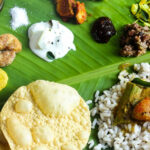
While sweet Pongal (Sakkarai Pongal) is iconic, a savory version (Ven Pongal) is also popular, prepared with rice, moong dal, ghee, and seasoned with black pepper, ginger, and curry leaves. Both are central to the festival’s culinary traditions.
How To Observe Pongal
Visit a Tamil friend
Pongal is celebrated by Tamils across India and by diaspora Tamilians all over the world. Witness the celebrations up close by visiting a Tamil friend’s home or community space. Besides, there may be a variety of pongal dishes to choose from.
Make pongal
The traditional way to make pongal involves preparing a sweet, milky dish topped with ghee and cashew. If you don’t fancy the sweet indulgence, there are also salty and savory pongal varieties to prepare and relish. If you still don’t fancy pongal, there are variations in the form of khichdi, and even Sri Lankan and Egyptian versions called ‘mung kiribath’ and ‘koshari.’
Draw kolams
If you are artistic but you are not into either the festival or dish, you can consider looking up kolam patterns associated with Pongal and other festivals, and draw them on the street outside your house or inside. Kolams are traditionally drawn with rice powder, but chalk powder is also widely used now. Drawing and reproducing a beautiful, geometric design is a challenging task, and you can even add color to it with the right powders.
5 Interesting Facts About The Pongal Celebrations
There’s a bonfire on the first day
The last day of the month of Margazhi is marked as ‘Bhogi Pongal’ and a bonfire is lit to consume old, unwanted things to make way for the new.
Cows and bulls are celebrated
Just as Krishna ordained, cattle are given special importance on the third day, which is called ‘Mattu Pongal.’
There is a cattle race
There is a controversial tradition of organizing bullfights called ‘Jallikattu.’
The last day is for reunions
This day is called ‘Kaanum Pongal,’ which means to “see” relatives and friends, but some also recognize it as ‘Kanya Pongal,’ a day for brothers and sisters to share gifts and money.
Kites are flown elsewhere in India
Kites symbolize the turn of the season away from winter and into the coming spring, and are flown on this day in Gujarat and many other places.
Why Pongal is Important
It is a community festival
According to anthropologist Andre Beteille, Pongal is a time to renew social bonds. Many times, women get together in a community space to cook pongal together. It is a time to not just wish for prosperity for your own family but to also share it with the larger community.
It shows gratitude for the agricultural harvest
The day recognizes the work of farmers and the gift of a good harvest for their families and everyone else consuming the crops. Many farmers in India still rely on the sun and rain for a good crop, and they worship them on this day.
We can cook pongal
There are many varieties of pongal to suit each palate. There is a spicy, savory version for those who do not like the traditional sweet dish. Regardless of what you choose, it is a simple, comforting dish to make and it requires few ingredients.
Pongal dates
| Year | Date | Day |
|---|---|---|
| 2025 | January 14 | Tuesday |
| 2026 | January 14 | Wednesday |
| 2027 | January 15 | Friday |
| 2028 | January 15 | Saturday |
| 2029 | January 14 | Sunday |








Social Media Tips for Pongal
Individuals
Creators
Brands