- Categories:
- Food & Beverage
- Tags:
- Beverage
- Where:
- United States
- Date change rule:
- Every September 20 to 26
- Holiday emoji:
- 🇰🇷
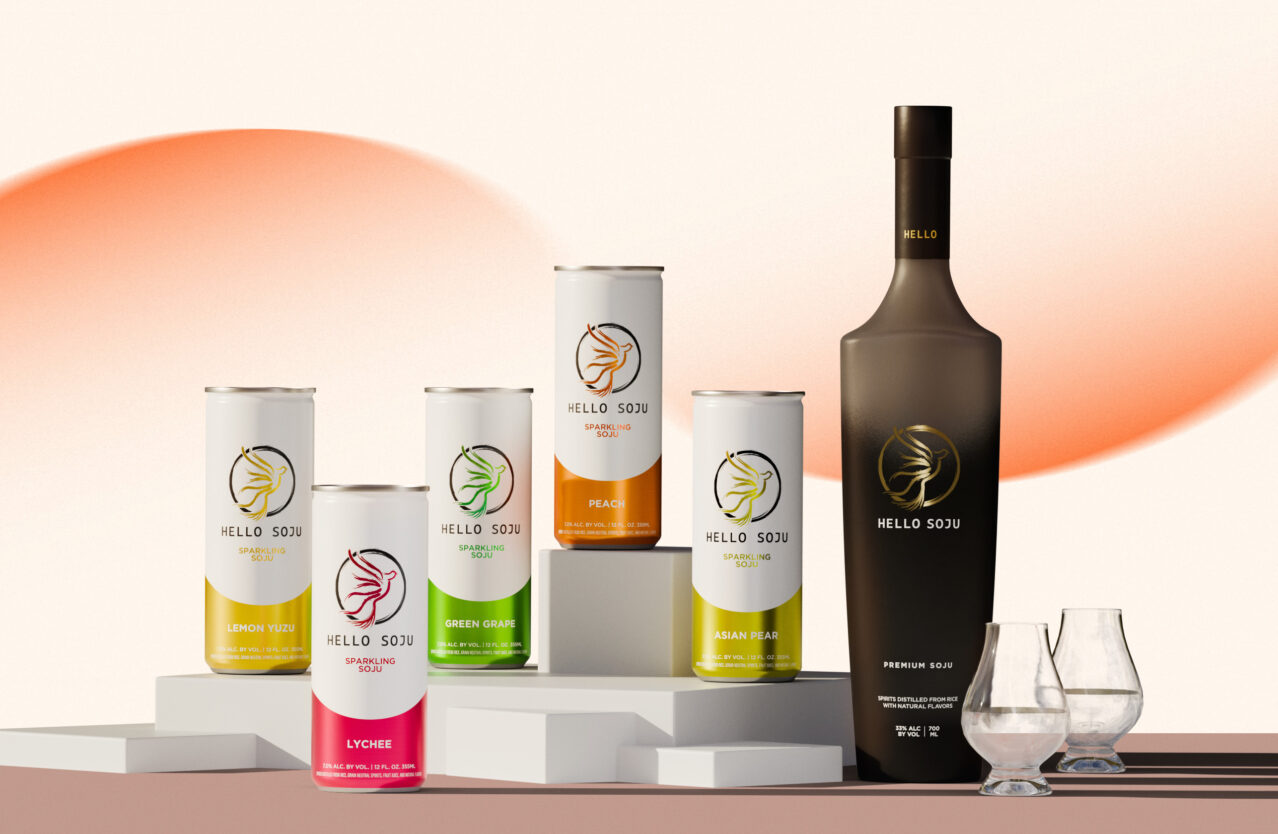
International Soju Week, created by Hello Soju, celebrates one of the most globally-loved spirits. Whether you’re familiar with soju, or are interested in tasting something new, this is the week to learn about its rich history and culture, discover the better-for-you ways to enjoy it, and bring people together to raise a glass (or can).
Platform Guide for International Soju Week
Best for the table: full spreads of Korean food with bottles and cans of soju in frame, and Reels of the pour itself. Stories work well for polls on flavors and pairings. Tag @hellosoju and other amazing soju brands. Share preferred servers and call out favorite flavors. Remember to include @nationaltoday_ and #InternationalSojuWeek.
The place for the longer story and for event listings, whether that’s a tasting, a dinner, or a bar takeover. Tag @itshellosoju and @nationaltoday, and use #InternationalSojuWeek so posts collect in one place.
TikTok
Etiquette explainers, taste tests, and cocktail builds, especially the Hello Soju Bomb, all work well here. Keep it under thirty seconds and lead with the surprise. Tag @www.nationaltoday.com and use #InternationalSojuWeek.
International Soju Week Hero
California Soju Day - State Senator Steven Choi
History of International Soju Week
Soju begins with an invasion. Distilling reached the Korean peninsula in the thirteenth century, carried east by the Mongol empire, which had picked up the technique from Persian and Arab distillers during its campaigns across Central Asia. Mongol forces established a logistics base at Andong, and that city (along with Kaesong and Jeju) became an early center of Korean distilling. The Arabic root of the word survives in regional names for the drink to this day.
For most of its history soju was made from rice, distilled in earthenware over a direct flame, and drunk at strengths far higher than anything sold today. Royal records from the Joseon dynasty show it was restricted to medicinal use at one point before being permitted at banquets. It was expensive, it was regional, and it stayed that way for centuries.
The soju most of the world recognizes is a product of the twentieth century and of scarcity. In 1965, facing rice shortages, the South Korean government banned the use of rice in distillation under the Grain Management Law. Producers switched to neutral spirit distilled from sweet potato and tapioca, then diluted it with water and flavorings. What began as a workaround became the category. The ban lasted for over three decades and was not lifted until 1999, by which point diluted soju was simply what soju meant to most people.
Soju that traditionally sat around 35% ABV dropped after the ban and kept drifting down, which is part of why it works the way it does socially: it is a spirit built for a long table and many rounds rather than a single pour.
Soju reached the United States largely through Korean restaurants, then accelerated with the global spread of Korean film, television, and music. That growth eventually collided with American liquor licensing. Because some soju sits below the 24% ABV threshold, California allowed restaurants with beer and wine licenses to serve it — but only if it was imported. In 2024, the state changed that, extending the exception to domestically produced soju and opening the door to a California-made category. The following year, California established Soju Day, choosing September 20 specifically to mark the day that law was signed.
International Soju Week builds from that date, extending a single state’s observance into a week the rest of the world can celebrate.
International Soju Week timeline
Mongol forces bring distilling techniques to the Korean peninsula, and Andong, where they establish a logistics base, becomes an early center of soju production.
Facing severe rice shortages, the South Korean government bans the use of rice in distillation. Producers turn to sweet potato and tapioca, and diluted low-proof soju becomes the national standard.
The restriction is lifted and traditional rice-based distillation becomes legal again, reopening the door to premium and craft soju alongside the mass-market category.
California ends a decades-old labeling practice under which Japanese shochu was sold as soju, restoring the distinction between the two spirits.
Governor Gavin Newsom signs Assembly Bill 2069 on September 20, allowing restaurants with beer and wine licenses to serve domestically produced soju and shochu for the first time.
The California Legislature establishes September 20, and every September 20 after it, as Soju Day. Senator Steven Choi marks the first observance with a festival at the Leland Stanford Mansion in Sacramento.
California recognizes its second annual Soju Day, and California-made Hello Soju launches International Soju Week to carry the observance around the world.
How Businesses Can Celebrate International Soju Week

Restaurants and bars can build a soju flight, add a soju cocktail to the menu for the week, or pair their favorite soju with a signature dish and tell guests why. Retailers can build an endcap around the week with a pairing card. Offices can mark it the way the spirit is meant to be used, such as a team dinner at a Korean restaurant, with someone explaining the pouring etiquette before the first round. Importers, distributors, and Korean cultural organizations can co-host tastings.
International Soju Week FAQs
When is International Soju Week?
International Soju Week runs every year from September 20 through September 26. It opens on California Soju Day (September 20), which California established as an annual observance.
California’s Soju Day resolution encourages all Californians to mark the day by learning about Korean culture and attending community events.
How widely is Soju Day observed?
California is currently the only state to have formally established a date to commemorate it, and the first official observance was marked with a festival at the Leland Stanford Mansion in Sacramento, convened with Korean American community leaders and cultural organizations. International Soju Week exists to widen that: one state’s day, celebrated everywhere, for a full week.
What is the difference between soju and sake?
Soju is distilled and sake is brewed, which makes them closer to the relationship between whiskey and beer than between two similar drinks. Soju is Korean, traditionally made from rice but often from other starches, and typically lands in the teens to low twenties for ABV. Sake is Japanese, brewed from rice, and usually sits around 15%. Soju’s closer relative is Japanese shochu, which is also distilled, and which California law treated interchangeably with soju until a recent labeling correction separated them.
Where can I find soju?
Soju is easier to find than ever. From craft cocktail bars to major retailers across the US, soju is a versatile spirit and is available in a variety of incredible ready-to-drink flavors in cans and bottles. Ask for it at your local bar, and check the spirits or ready-to-drink section at your usual bottle shop or grocery store.
Hello Soju is available online at www.hellosoju.com, and at premium retailers across California, Nevada, Texas, and Colorado, including BevMo!, select Total Wine & More, Gelson’s, Target, Lee’s Discount Liquor, and coming soon, Safeway.
International Soju Week Activities
Learn the Pour
Traditional soju etiquette maintains that you pour for the person next to you and wait for them to pour yours. You hold the bottle with two hands when serving someone older than you, and turn your head away when you drink in front of them. Try it at your next dinner and watch how it changes the table.
Build a Tasting Flight
Most people have only had one kind of soju, usually whatever was on the table at a Korean restaurant. Line up three: a traditional premium distilled soju, a larger production version, and a flavored, sparkling variety. Taste them side by side and have fun with the range of ways to experience soju.
Do a Soju Bomb
A Soju Bomb is a celebratory Korean drinking ritual where a shot of premium soju spirit is balanced on a pair of chopsticks and dropped into a glass of beer, then enjoyed together. Hello Soju puts a spin on tradition with a distinct Soju Bomb. Drop a shot of the Hello Soju flagship spirit into a pint glass filled with your choice of Hello Soju’s sparkling soju RTDs and drink up! Flavors include Lychee, Asian Pear, Lemon Yuzu, Peach, and Limited Edition Green Grape.
Pair It With a Real Meal
Soju is built for food in a way most spirits are not. Its low strength and clean profile hold up against the things that flatten wine including chili heat, garlic, fermentation, and grilled fat. Soju pairs well with KFC (Korean Fried Chicken), KBBQ (Korean BBQ), banchan and all of your favorite spicy dishes.
Why We Love International Soju Week
It Is Designed to Be Shared
Traditionally the rules of soju are about honoring other people. You do not fill your own glass, someone else fills it for you, and you fill theirs. The whole ritual is built to bring people together and create community.
It Rewards Curiosity
Almost everyone who has had soju has had exactly one kind of it, and most have no idea the category runs from mass-market bottles to small-batch pot-distilled spirits. There is a genuine discovery on the other side of a second bottle, which is rarer than it sounds.
It Carries a Real History
This is a spirit shaped by invasion, royal decree, famine, and trade law. The bottle on the table came through a 34-year ban on the grain it was built from and came out the other side as Korea's national drink. Very few drinks have a story that specific.
International Soju Week dates
| Year | Date | Day |
|---|---|---|
| 2027 | September 20–26 | Monday–Sunday |
| 2028 | September 20–26 | Wednesday–Tuesday |
| 2029 | September 20–26 | Thursday–Wednesday |
| 2030 | September 20–26 | Friday–Thursday |
| 2031 | September 20–26 | Saturday–Friday |




Social Media Tips for International Soju Week
For individuals
For creators
For brands