- Today
- Holidays
- Birthdays
- Reminders
- Cities
- Atlanta
- Austin
- Baltimore
- Berwyn
- Beverly Hills
- Birmingham
- Boston
- Brooklyn
- Buffalo
- Charlotte
- Chicago
- Cincinnati
- Cleveland
- Columbus
- Dallas
- Denver
- Detroit
- Fort Worth
- Houston
- Indianapolis
- Knoxville
- Las Vegas
- Los Angeles
- Louisville
- Madison
- Memphis
- Miami
- Milwaukee
- Minneapolis
- Nashville
- New Orleans
- New York
- Omaha
- Orlando
- Philadelphia
- Phoenix
- Pittsburgh
- Portland
- Raleigh
- Richmond
- Rutherford
- Sacramento
- Salt Lake City
- San Antonio
- San Diego
- San Francisco
- San Jose
- Seattle
- Tampa
- Tucson
- Washington
Lack of Snow in Washington Raises Concerns
Mild winter conditions may lead to water shortages and insect problems in the coming months
Published on Feb. 5, 2026
Got story updates? Submit your updates here. ›
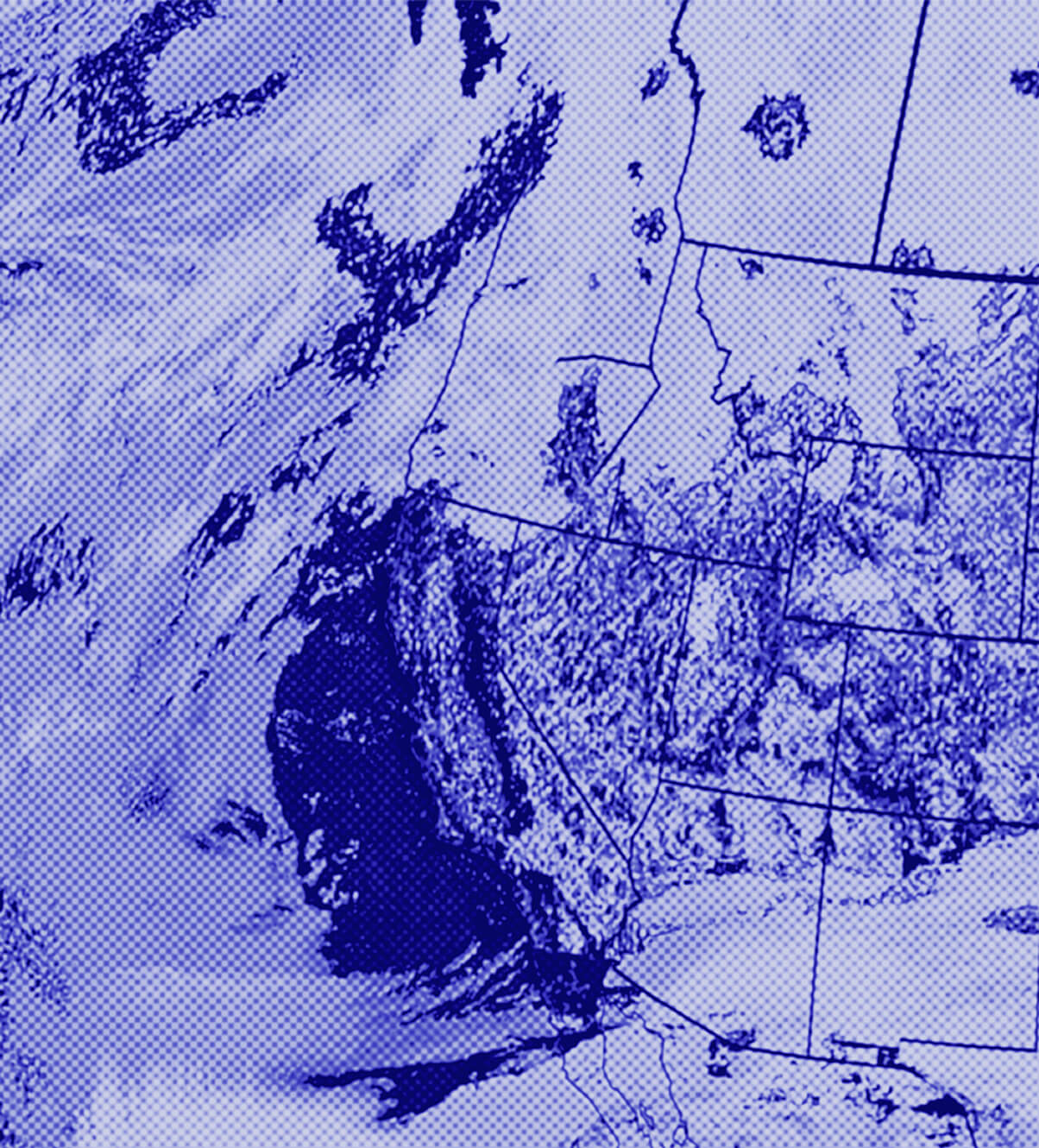
The Pacific Northwest, including Washington state, has experienced an unusually mild winter this year with little snowfall. While this has been welcomed by some, experts warn that the lack of snow could lead to serious water supply issues and an increase in insect populations in the coming months.
Why it matters
Snow is crucial for replenishing water supplies in the region, and the current low snowpack levels could result in drought conditions. Additionally, the mild temperatures may allow insect populations to thrive, potentially causing problems for residents and businesses.
The details
Reports indicate that Washington's snowpack levels are currently about 50% lower than normal for this time of year. This lack of snow is concerning for the state's water supply, as the snowpack typically melts and replenishes rivers, lakes, and reservoirs during the spring and summer months. Without adequate snowfall, the region may face water shortages and drought conditions.
- The last day of winter is March 20th, so there is still time for significant snowfall.
- In 2012, there was a heavy snowfall in late March, while in 2013 the weather was perfect for a wedding on March 30th.
- In 2019, Seattle went from barely any snow to nearly 2 feet of snow in just over a week.
The players
NOAA
The National Oceanic and Atmospheric Administration, which monitors and reports on weather and climate conditions.
National Integrated Drought Information System
A program that provides early warning of emerging and anticipated droughts and assesses the nation's vulnerability to drought.
What’s next
The judge in the case will decide on Tuesday whether or not to allow Walker Reed Quinn out on bail.
The takeaway
This lack of snow in Washington highlights the importance of snowpack for the region's water supply and the potential consequences of climate change. Residents may need to prepare for water conservation measures and increased insect activity in the coming months.