- Today
- Holidays
- Birthdays
- Reminders
- Cities
- Atlanta
- Austin
- Baltimore
- Berwyn
- Beverly Hills
- Birmingham
- Boston
- Brooklyn
- Buffalo
- Charlotte
- Chicago
- Cincinnati
- Cleveland
- Columbus
- Dallas
- Denver
- Detroit
- Fort Worth
- Houston
- Indianapolis
- Knoxville
- Las Vegas
- Los Angeles
- Louisville
- Madison
- Memphis
- Miami
- Milwaukee
- Minneapolis
- Nashville
- New Orleans
- New York
- Omaha
- Orlando
- Philadelphia
- Phoenix
- Pittsburgh
- Portland
- Raleigh
- Richmond
- Rutherford
- Sacramento
- Salt Lake City
- San Antonio
- San Diego
- San Francisco
- San Jose
- Seattle
- Tampa
- Tucson
- Washington
Western U.S. Faces Worst Snow Drought in Decades
Experts warn of water shortages and increased wildfire risk as snowpack declines
Published on Feb. 6, 2026
Got story updates? Submit your updates here. ›
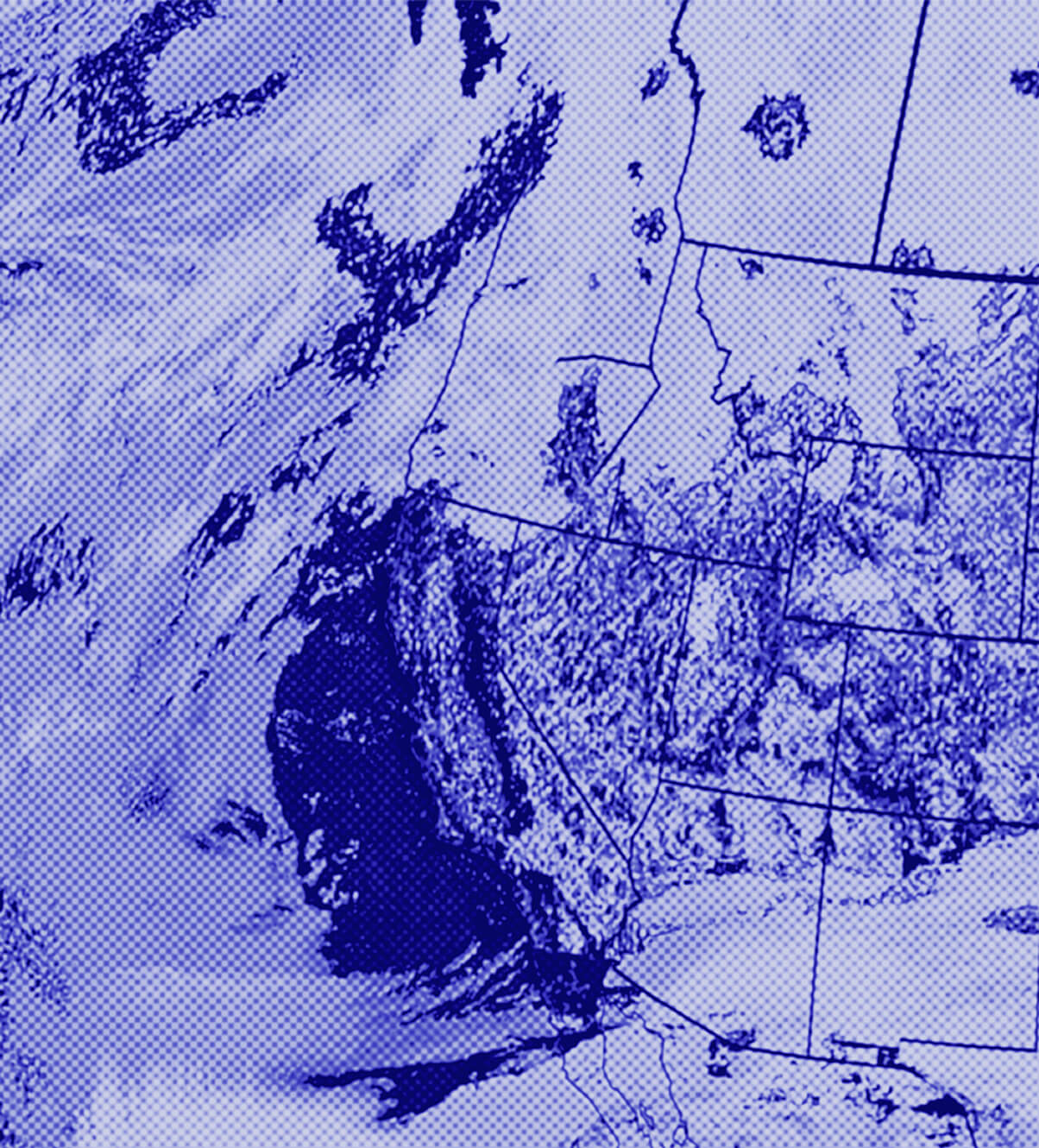
The western United States is experiencing one of the worst snow droughts in decades, with mountain peaks that are usually blanketed in thick winter snow now appearing unusually brown. The remaining snowpack is melting at a rapid rate, raising concerns about water scarcity and increased wildfire risk once summer arrives.
Why it matters
The western U.S. relies heavily on a healthy snowpack as a freshwater source, as the springtime snowmelt is essential for a consistent water supply. With precipitation this winter coming mostly in the form of rain instead of snow, the region's water basins are suffering from critical snow drought, which could have far-reaching impacts on agriculture, recreation, and energy sectors.
The details
A dry spell lasting through January 2026 has pushed the snowpack decline over the edge, with most states receiving 50% or less of their normal precipitation. Key water supply basins like the Deschutes, Humboldt, Yakima, Rio Grande, and Upper Colorado are all suffering from critical snow drought. The shift from snow-clad mountain peaks to a brown and barren landscape is due to rising temperatures that have changed snow precipitation into rain.
- The western U.S. experienced one of the worst snow droughts in decades this winter.
- A dry spell lasting through January 2026 has pushed the snowpack decline over the edge.
- NASA's Terra satellite captured a satellite image of snowpack on the western U.S. mountains on January 15, 2026, showing the lowest coverage recorded since 2001.
The players
Dan McEvoy
A climatologist at the Desert Research Institute's Western Regional Climate Center.
Rocco Snart
The fire planning branch chief for Colorado's Division of Fire Prevention and Control.
What they’re saying
“When we have very large snowpack years, like 2023 in the Sierra Nevada, there is less risk of fire, especially earlier in the summer season. But then we look at years like 2021, 2022, and 2020, which are all drought years, and very active wildfire years. Those are years with less snowpack that melted out earlier. So there definitely is that connection between wildfire danger and the amount of snow that's on the ground.”
— Dan McEvoy, Climatologist
“If this weather exists [in the spring] and doesn't transition into something more favorable, it could be extremely problematic for us.”
— Rocco Snart, Fire Planning Branch Chief (Colorado Politics)
What’s next
Experts are anticipating that the months of February and March could bring redemption, but they warn that if the unfavorable weather conditions persist into the spring, it could be 'extremely problematic' for the region.
The takeaway
The western U.S. snow drought highlights the growing threat of climate change, as rising temperatures and shifting precipitation patterns disrupt the region's critical water supply and increase the risk of devastating wildfires. Addressing this challenge will require a comprehensive, long-term approach to water management and wildfire prevention.