- Today
- Holidays
- Birthdays
- Reminders
- Cities
- Atlanta
- Austin
- Baltimore
- Berwyn
- Beverly Hills
- Birmingham
- Boston
- Brooklyn
- Buffalo
- Charlotte
- Chicago
- Cincinnati
- Cleveland
- Columbus
- Dallas
- Denver
- Detroit
- Fort Worth
- Houston
- Indianapolis
- Knoxville
- Las Vegas
- Los Angeles
- Louisville
- Madison
- Memphis
- Miami
- Milwaukee
- Minneapolis
- Nashville
- New Orleans
- New York
- Omaha
- Orlando
- Philadelphia
- Phoenix
- Pittsburgh
- Portland
- Raleigh
- Richmond
- Rutherford
- Sacramento
- Salt Lake City
- San Antonio
- San Diego
- San Francisco
- San Jose
- Seattle
- Tampa
- Tucson
- Washington
NATO Faces Uncertain Future as Europe Seeks Greater Defense Autonomy
Former diplomat Kai Eide proposes models for European-led security cooperation to maintain deterrence against Russia
Apr. 17, 2026 at 3:56am
Got story updates? Submit your updates here. ›
 As NATO faces an uncertain future, a lone alliance flag stands as a symbol of the need for European unity and strategic autonomy.Norfolk Today
The future of the North Atlantic Treaty Organization (NATO) is in question as the alliance faces potential U.S. withdrawal and growing tensions between European leaders and the volatile leadership in Washington. Former diplomat Kai Eide warns that while NATO may be in crisis, writing it off as a relic of the past would be irresponsible. Experts suggest Europe look to existing models of cooperation, such as the 'Berlin Plus' arrangement and reviving the 'Eurogroup', to maintain a credible defense without full U.S. involvement.
Why it matters
The collapse of NATO would leave Europe vulnerable and undermine the transatlantic security architecture that has maintained stability since the Cold War. Maintaining a strong deterrent against Russia is crucial, but Europe must demonstrate it can provide its own defense if the U.S. refuses to come to its aid during a crisis.
The details
Experts propose several paths forward for NATO's evolution, including shifting some command functions from the U.S. to the UK to signal European strategic autonomy, and increasing defense spending to meet the alliance's 5% GDP goal. The 'Berlin Plus' model would allow the EU to 'borrow' NATO's command structure for operations, while reviving the 'Eurogroup' would facilitate greater coordination among European defense ministers.
- In 2003, the 'Berlin Plus' arrangement was established to allow the EU to utilize NATO's command structure.
- Before 1994, the 'Eurogroup' facilitated formalized meetings between European defense ministers.
The players
Kai Eide
A former Norwegian diplomat who has warned that writing off NATO as a relic of the past would be irresponsible.
Donald Trump
The former U.S. president whose insults and threats towards European leaders have contributed to the current tensions within NATO.
What they’re saying
“While the alliance may be facing a crisis, writing it off as a relic of the past is an irresponsible move.”
— Kai Eide, Former Norwegian diplomat
What’s next
Experts suggest that European NATO members must demonstrate a willingness to increase defense spending and take on a greater leadership role within the alliance to maintain credibility and deterrence against Russia, even if the U.S. reduces its commitment.
The takeaway
The future of NATO hangs in the balance, but by reviving models of European-led cooperation and increasing defense investment, the alliance may be able to evolve and maintain its role as a bulwark against Russian aggression, even without full U.S. involvement.
Norfolk top stories



Norfolk events

Apr. 18, 2026
The Magic of Motown
Apr. 18, 2026
Virginia International Tattoo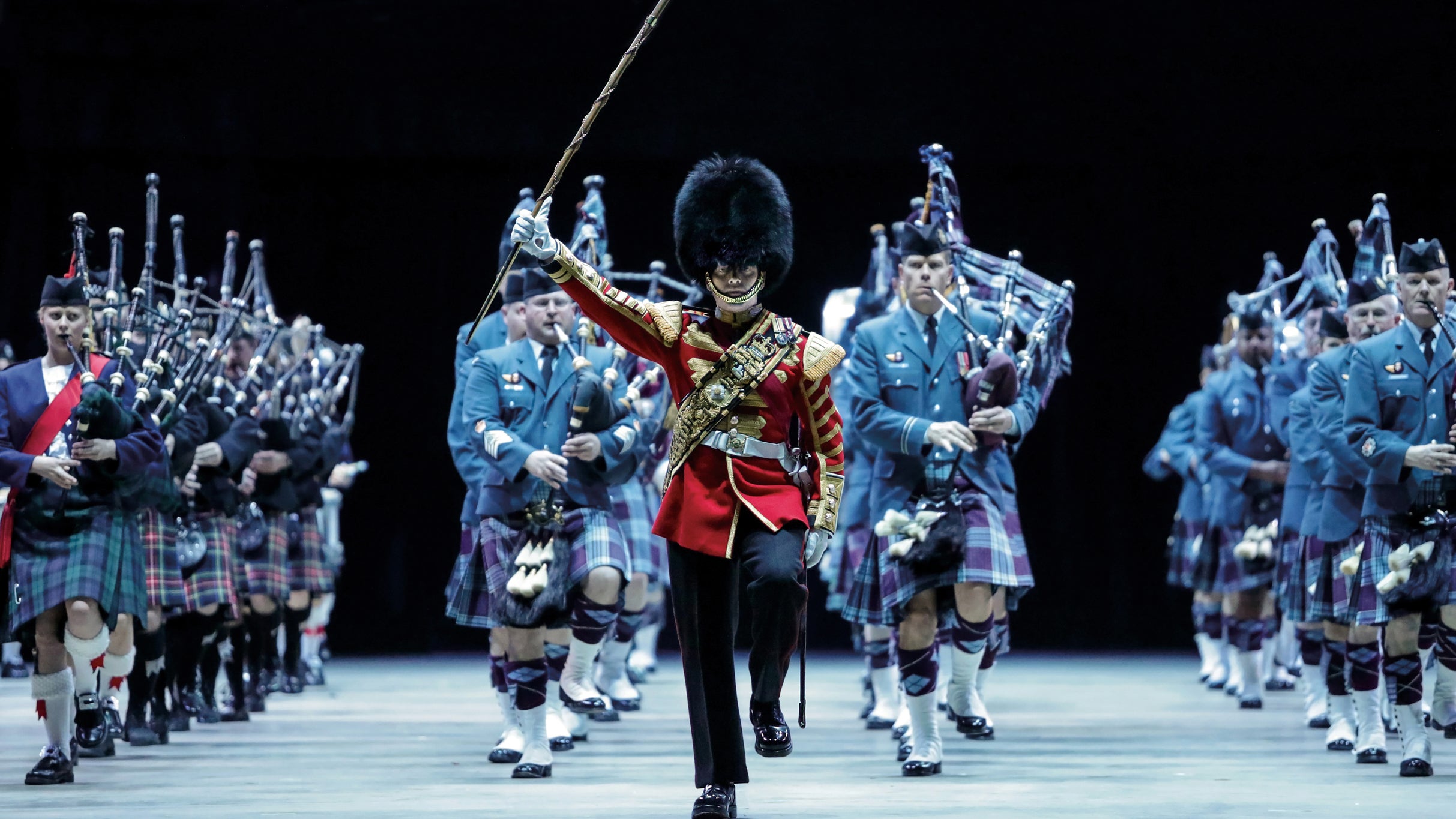
Apr. 19, 2026
Virginia International Tattoo