- Today
- Holidays
- Birthdays
- Reminders
- Cities
- Atlanta
- Austin
- Baltimore
- Berwyn
- Beverly Hills
- Birmingham
- Boston
- Brooklyn
- Buffalo
- Charlotte
- Chicago
- Cincinnati
- Cleveland
- Columbus
- Dallas
- Denver
- Detroit
- Fort Worth
- Houston
- Indianapolis
- Knoxville
- Las Vegas
- Los Angeles
- Louisville
- Madison
- Memphis
- Miami
- Milwaukee
- Minneapolis
- Nashville
- New Orleans
- New York
- Omaha
- Orlando
- Philadelphia
- Phoenix
- Pittsburgh
- Portland
- Raleigh
- Richmond
- Rutherford
- Sacramento
- Salt Lake City
- San Antonio
- San Diego
- San Francisco
- San Jose
- Seattle
- Tampa
- Tucson
- Washington
Fasting's Longevity Benefits May Depend on Refeeding, Study Finds
New research suggests the health-boosting effects of intermittent fasting are tied to how the body recalibrates after eating again.
Apr. 18, 2026 at 4:41pm
Got story updates? Submit your updates here. ›
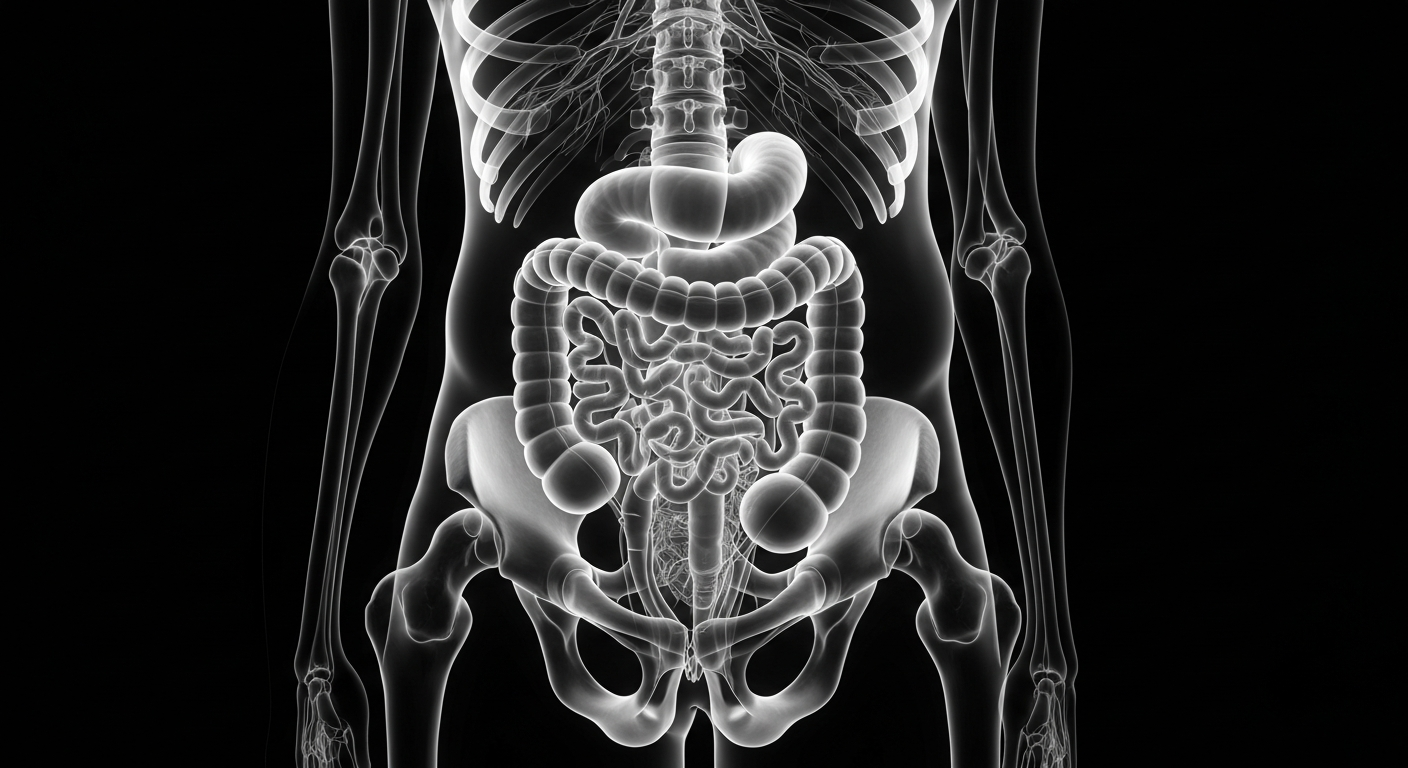 An X-ray-like glimpse into the body's metabolic machinery reveals how the transition from fasting to refeeding may be key to unlocking fasting's longevity benefits.Dallas Today
A new study from researchers at the University of Texas Southwestern Medical Center in Dallas found that the longevity benefits of intermittent fasting in worms were not due to the fasting itself, but rather how the body's metabolism responded during the refeeding period. The study suggests fasting may support longevity by triggering metabolic switching and improving markers like insulin sensitivity, but cautions that the findings in worms may not directly translate to humans.
Why it matters
This study provides an important nuance to how we understand the mechanisms behind the potential health benefits of intermittent fasting. By showing the key role of the refeeding process, it shifts the focus from just the fasting period to the body's overall metabolic flexibility and ability to restore energy balance.
The details
Researchers compared worms that were fed normally to those that underwent a 24-hour fast in early adulthood and were then re-fed for 24 hours. They found the life-boosting benefit did not depend on the fasting itself, but on how the body's 'metabolic machinery recalibrated' during the subsequent transition back to a fed state. The study measured factors like stored fat, gene activity related to fat metabolism, and lifespan.
- The study was published in the journal Nature Communications in 2026.
The players
University of Texas Southwestern Medical Center
The research institution in Dallas where the study was conducted.
What they’re saying
“The researchers showed that longevity was linked to the body's ability to turn off fat breakdown after fasting, allowing cells to restore energy balance.”
— Lauri Wright, Director of nutrition programs, University of South Florida College of Public Health
“From a scientific standpoint, that's a meaningful shift, because it suggests fasting is not just about burning fat, but about metabolic flexibility.”
— Lauri Wright, Director of nutrition programs, University of South Florida College of Public Health
What’s next
While the study provides important insights, the findings in worms may not directly translate to humans. Researchers caution that more long-term studies are needed to understand the real-world implications for human lifespan and health outcomes.
The takeaway
This study highlights that the potential longevity benefits of intermittent fasting may depend more on the body's ability to effectively transition back to a fed state, rather than the fasting period itself. It suggests fasting could support health by enhancing metabolic flexibility, but experts advise focusing on overall diet quality and consulting a doctor before attempting any fasting regimen.
Dallas top stories



Dallas events



Apr. 19, 2026
Poke Rave