- Today
- Holidays
- Birthdays
- Reminders
- Cities
- Atlanta
- Austin
- Baltimore
- Berwyn
- Beverly Hills
- Birmingham
- Boston
- Brooklyn
- Buffalo
- Charlotte
- Chicago
- Cincinnati
- Cleveland
- Columbus
- Dallas
- Denver
- Detroit
- Fort Worth
- Houston
- Indianapolis
- Knoxville
- Las Vegas
- Los Angeles
- Louisville
- Madison
- Memphis
- Miami
- Milwaukee
- Minneapolis
- Nashville
- New Orleans
- New York
- Omaha
- Orlando
- Philadelphia
- Phoenix
- Pittsburgh
- Portland
- Raleigh
- Richmond
- Rutherford
- Sacramento
- Salt Lake City
- San Antonio
- San Diego
- San Francisco
- San Jose
- Seattle
- Tampa
- Tucson
- Washington
Arlington man finds rapid relief from Parkinson's with new incision-free treatment
UT Southwestern doctors used focused ultrasound to ease the 72-year-old veteran's tremors within seconds.
Apr. 17, 2026 at 4:03am
Got story updates? Submit your updates here. ›
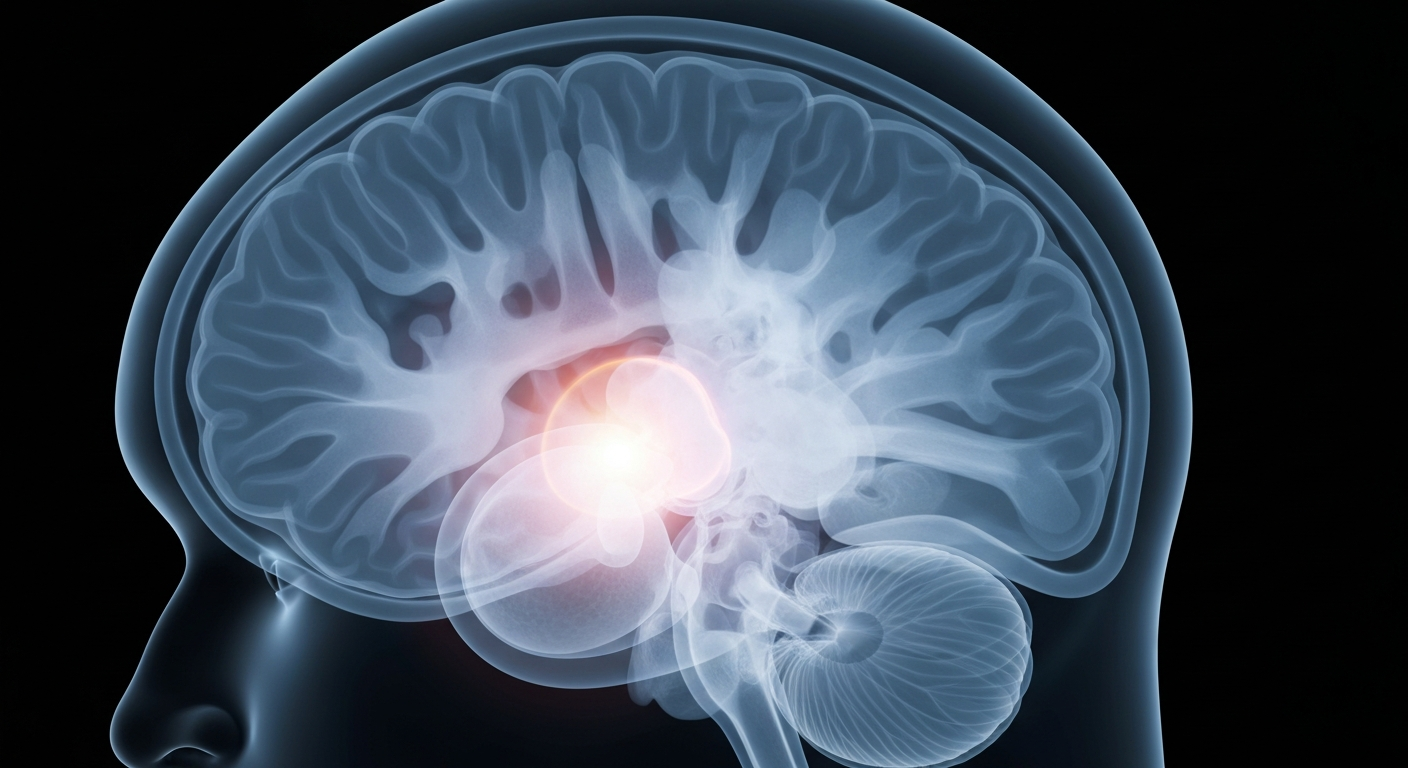 A revolutionary incisionless treatment uses focused ultrasound to target and treat the root causes of Parkinson's disease, offering new hope for patients.Dallas Today
Retired salesman and Air Force veteran Bud Levell, 72, has lived with Parkinson's disease for over a decade, slowly losing his sense of smell and developing tremors in his right hand. After reading about a new ultrasound-based treatment, Levell underwent Magnetic Resonance-guided focused ultrasound at UT Southwestern Medical Center, which targeted a precise area deep in his brain without the need for an incision. The results were immediate, with Levell's tremor disappearing within seconds of the procedure.
Why it matters
Parkinson's disease affects an estimated 15,000 people in the North Texas area, and this new incision-free treatment offers a promising alternative to traditional deep brain stimulation surgery. The procedure's ability to target specific areas of the brain without the need for an invasive operation could open the door to more accessible and effective therapies for Parkinson's patients.
The details
Levell first noticed symptoms of Parkinson's about 11-12 years ago when he lost his sense of smell. As his tremors worsened, he came across an article about the new ultrasound-based treatment and decided to pursue it at UT Southwestern. During the procedure, doctors used Magnetic Resonance-guided focused ultrasound to destroy small tracts in Levell's brain that were causing his Parkinson's symptoms, including the tremor in his right hand. The entire process was incisionless, with the ultrasound energy precisely targeting the affected area.
- Levell first noticed loss of smell about 11-12 years ago.
- Levell underwent the Magnetic Resonance-guided focused ultrasound procedure at UT Southwestern in 2026.
The players
Bud Levell
A 72-year-old retired salesman and Air Force veteran who has lived with Parkinson's disease for over a decade.
Dr. Bhavya R. Shah
The doctor who leads the focused ultrasound program at UT Southwestern Medical Center.
What they’re saying
“We're using a higher energy to destroy small tracts in the brain, or small bundles of nerves.”
— Dr. Bhavya R. Shah, Doctor
“We're navigating to a future where therapies of the brain may be incisionless. That in itself is exciting.”
— Dr. Bhavya R. Shah, Doctor
“My answer was simple. What tremor?”
— Bud Levell
“It felt good. It felt really nice to be able to say that. To be able to hold this hand and do this...”
— Bud Levell
“Does God have a plan for me with Parkinson's? Yeah. What is it? I don't know, but I'm going to depend on God. I'm going to live as well as I can.”
— Bud Levell
What’s next
Levell plans to continue repairing radios and other electronics, activities he feared he would no longer be able to do due to his Parkinson's symptoms. The focused ultrasound treatment has allowed him to regain the steady hands he needs for his hobby.
The takeaway
This new incision-free treatment for Parkinson's, using Magnetic Resonance-guided focused ultrasound, offers a promising alternative to traditional deep brain stimulation surgery. The ability to target specific areas of the brain without an invasive operation could make this therapy more accessible and effective for Parkinson's patients in the North Texas region and beyond.
Dallas top stories



Dallas events



Apr. 18, 2026
Dansyn