- Today
- Holidays
- Birthdays
- Reminders
- Cities
- Atlanta
- Austin
- Baltimore
- Berwyn
- Beverly Hills
- Birmingham
- Boston
- Brooklyn
- Buffalo
- Charlotte
- Chicago
- Cincinnati
- Cleveland
- Columbus
- Dallas
- Denver
- Detroit
- Fort Worth
- Houston
- Indianapolis
- Knoxville
- Las Vegas
- Los Angeles
- Louisville
- Madison
- Memphis
- Miami
- Milwaukee
- Minneapolis
- Nashville
- New Orleans
- New York
- Omaha
- Orlando
- Philadelphia
- Phoenix
- Pittsburgh
- Portland
- Raleigh
- Richmond
- Rutherford
- Sacramento
- Salt Lake City
- San Antonio
- San Diego
- San Francisco
- San Jose
- Seattle
- Tampa
- Tucson
- Washington
Landmark Trial Finds New Brain Therapy as Effective as ECT for Depression
Magnetic seizure therapy shows similar benefits to electroconvulsive therapy with fewer cognitive side effects
Apr. 16, 2026 at 8:34am
Got story updates? Submit your updates here. ›
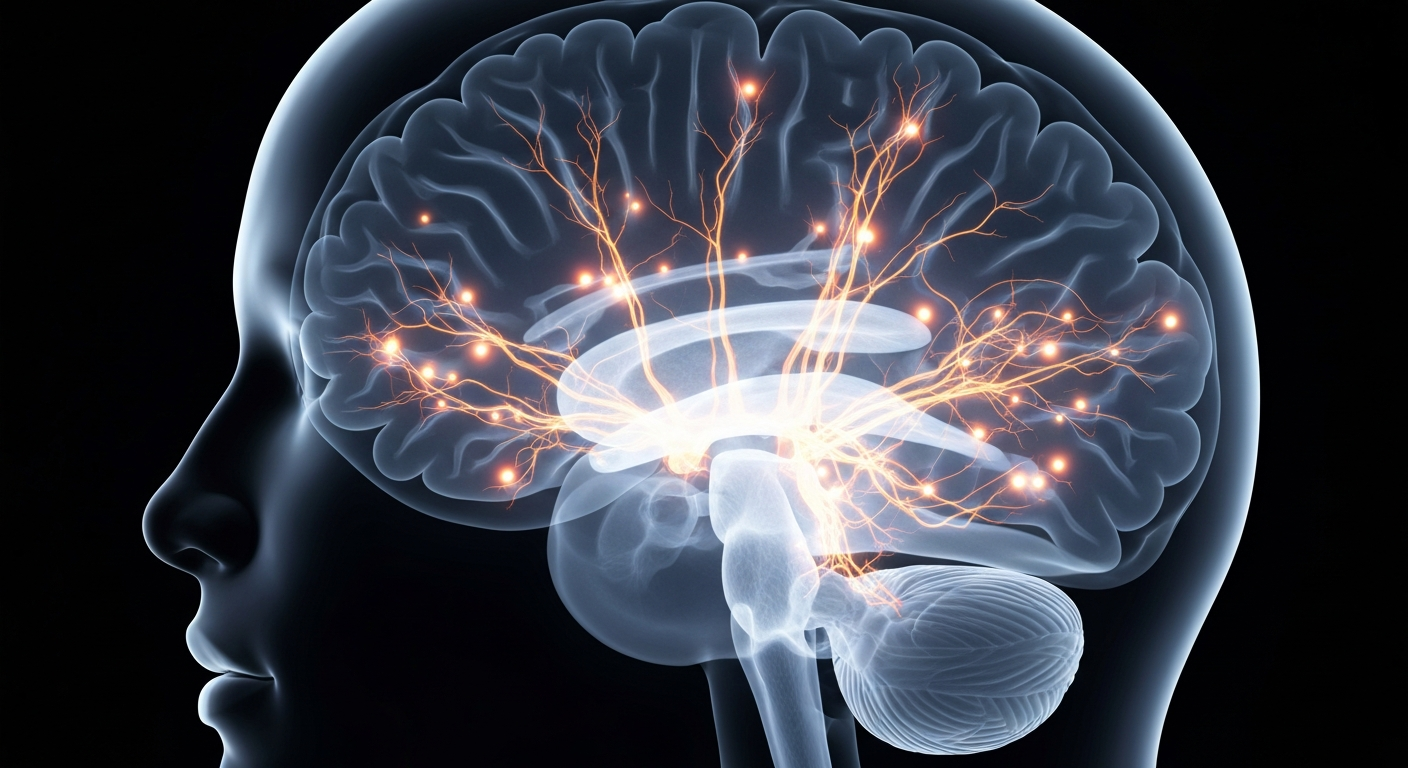 An X-ray view of the human brain reveals the potential of new magnetic stimulation therapies to treat severe depression without the cognitive side effects of traditional electroshock treatments.Dallas Today
A large international clinical trial led by researchers at the Centre for Addiction and Mental Health (CAMH) and University of California San Diego School of Medicine has found that magnetic seizure therapy (MST) is as effective as electroconvulsive therapy (ECT) in treating severe, treatment-resistant depression, but with significantly fewer cognitive side effects such as memory loss.
Why it matters
ECT is currently the most effective treatment for severe depression, but its cognitive side effects like confusion and memory loss have limited its use. The finding that MST can deliver similar benefits without the same impact on memory could make this new brain stimulation therapy a more viable option for many patients who need effective treatment for their depression.
The details
The randomized, double-blind, non-inferiority study enrolled nearly 300 participants across three academic centers in the U.S. and Canada. Researchers found that nearly half (48%) of patients in both the MST and ECT treatment groups experienced a meaningful clinical response, demonstrating that MST is comparable to ECT in improving depressive symptoms. However, MST showed a substantially better cognitive safety profile, particularly in preserving memory.
- The trial was conducted between 2018 and 2024.
- The study results were published in The Lancet Psychiatry in April 2026.
The players
Dr. Daniel Blumberger
Senior Scientist at the Centre for Addiction and Mental Health (CAMH) and co-lead of the study.
Dr. Zafiris Daskalakis
Professor and Chair of the Department of Psychiatry and Dr. Igor and JoAnn Grant Endowed Chair at UC San Diego School of Medicine, and co-lead of the study.
Centre for Addiction and Mental Health (CAMH)
A leading mental health research and teaching hospital located in Toronto, Canada.
University of California San Diego School of Medicine
The medical school of the University of California, San Diego, a top-ranked research institution.
What they’re saying
“This is a major milestone for the field. For decades, we've known that ECT is one of the most effective treatments for severe depression, but its cognitive side effects have limited its use. Our findings show that magnetic seizure therapy can deliver similar benefits with much less impact on memory, which could make this kind of treatment a more viable option for many people who need it.”
— Dr. Daniel Blumberger, Senior Scientist at CAMH and co-lead of the study
“This study represents an important first step toward bringing MST into wider clinical use. If approved and implemented more broadly, it could transform how we deliver brain stimulation therapies and significantly improve the patient experience.”
— Dr. Zafiris Daskalakis, Professor and Chair of the Department of Psychiatry and Dr. Igor and JoAnn Grant Endowed Chair at UC San Diego School of Medicine
What’s next
Researchers emphasize that further work is needed to support regulatory approval, training, and implementation of magnetic seizure therapy before it can become a new standard option for people with severe depression.
The takeaway
This landmark study demonstrates that magnetic seizure therapy could provide an effective alternative to electroconvulsive therapy for patients with severe, treatment-resistant depression, without the same debilitating cognitive side effects. If approved and adopted more widely, MST has the potential to transform brain stimulation therapies and significantly improve the patient experience.
Dallas top stories


Dallas events

Apr. 18, 2026
Dansyn