- Today
- Holidays
- Birthdays
- Reminders
- Cities
- Atlanta
- Austin
- Baltimore
- Berwyn
- Beverly Hills
- Birmingham
- Boston
- Brooklyn
- Buffalo
- Charlotte
- Chicago
- Cincinnati
- Cleveland
- Columbus
- Dallas
- Denver
- Detroit
- Fort Worth
- Houston
- Indianapolis
- Knoxville
- Las Vegas
- Los Angeles
- Louisville
- Madison
- Memphis
- Miami
- Milwaukee
- Minneapolis
- Nashville
- New Orleans
- New York
- Omaha
- Orlando
- Philadelphia
- Phoenix
- Pittsburgh
- Portland
- Raleigh
- Richmond
- Rutherford
- Sacramento
- Salt Lake City
- San Antonio
- San Diego
- San Francisco
- San Jose
- Seattle
- Tampa
- Tucson
- Washington
Soldier Survives Months in Dugout Behind Enemy Lines
The 'drone-ification' of the battlefield forces soldiers back into the earth, with new psychological tolls.
Apr. 19, 2026 at 11:27pm
Got story updates? Submit your updates here. ›
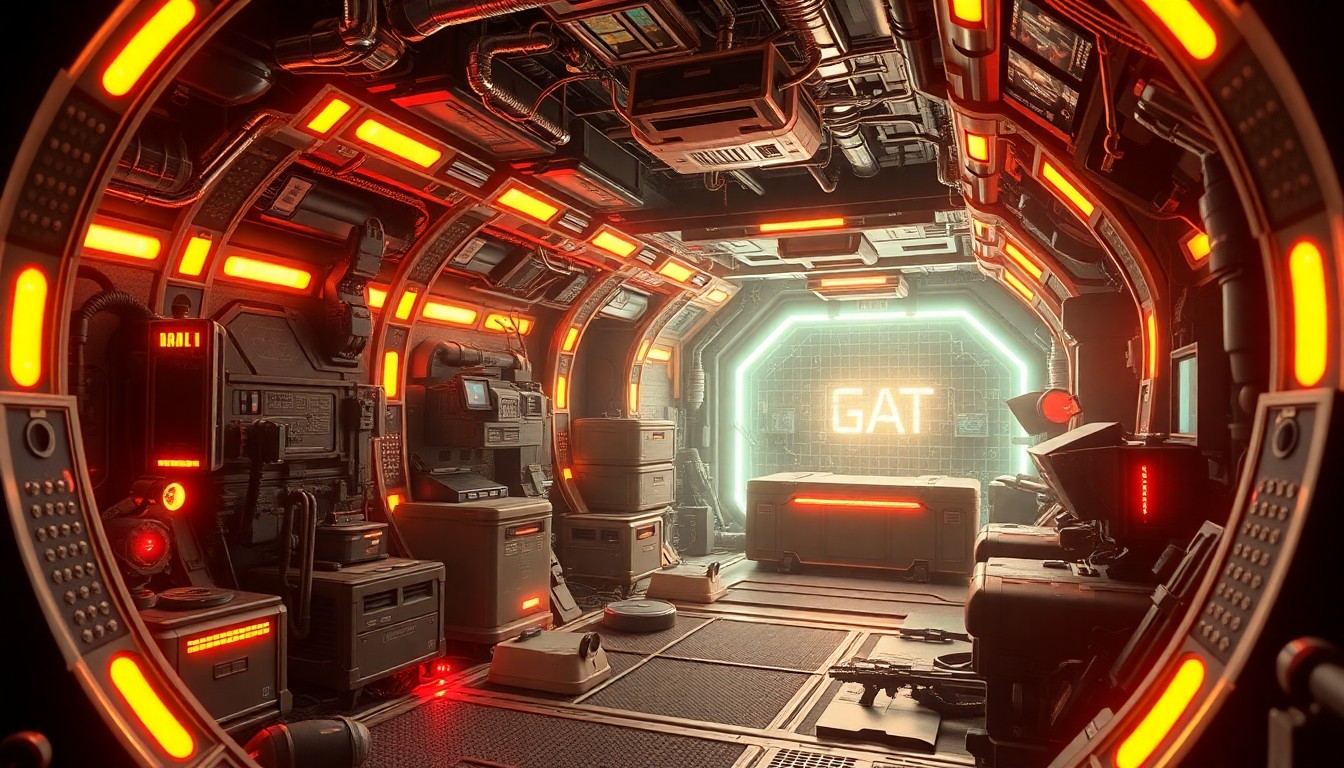 As the 'drone-ification' of the battlefield forces soldiers into isolated, subterranean hideouts, the need for advanced technological countermeasures has become critical.NYC Today
A soldier named Ivan Kavunas spent six months hiding in a cramped dugout behind enemy lines, illustrating how modern warfare's reliance on surveillance technology has led to a resurgence of static, subterranean living that mirrors the trenches of World War I. However, the psychological toll of this extreme isolation is entirely new, as soldiers face sensory deprivation and 'surveillance stress' even in total silence.
Why it matters
The 'drone eye' effect has fundamentally altered the geometry of war, forcing soldiers to hide not just from line-of-sight but from overhead thermal and acoustic sensors. This has led to a rise in deep, isolated bunkers that create new challenges around mental health, nutrition, and communication.
The details
Spending six months in a confined space with minimal light and limited human contact isn't just a physical challenge; it's a psychological siege. Modern soldiers are facing a unique form of sensory deprivation combined with high-intensity stress. The need for absolute stealth often means extreme isolation, which can lead to cognitive decline, mood disorders, and a distorted sense of time. Experts suggest the future of military training will shift toward 'psychological hardening' to help soldiers manage the mental claustrophobia of long-term concealment.
- Ivan Kavunas spent six months hiding in a cramped dugout behind enemy lines.
- The 'drone-ification' of the battlefield has fundamentally altered the geometry of war in recent years.
The players
Ivan Kavunas
A soldier who spent six months hiding in a cramped dugout behind enemy lines.
What’s next
As surveillance grows more sophisticated, the counter-measures will follow. One can expect to spot several key trends emerge in the next decade, including the development of thermal masking materials, subterranean communication hubs, and hydroponic survival kits.
The takeaway
The 'drone-ification' of the battlefield has forced soldiers to adopt a new form of static, subterranean warfare that mirrors the trenches of the past. However, the psychological toll of this extreme isolation is entirely new, as soldiers face sensory deprivation and 'surveillance stress' even in total silence.