- Today
- Holidays
- Birthdays
- Reminders
- Cities
- Atlanta
- Austin
- Baltimore
- Berwyn
- Beverly Hills
- Birmingham
- Boston
- Brooklyn
- Buffalo
- Charlotte
- Chicago
- Cincinnati
- Cleveland
- Columbus
- Dallas
- Denver
- Detroit
- Fort Worth
- Houston
- Indianapolis
- Knoxville
- Las Vegas
- Los Angeles
- Louisville
- Madison
- Memphis
- Miami
- Milwaukee
- Minneapolis
- Nashville
- New Orleans
- New York
- Omaha
- Orlando
- Philadelphia
- Phoenix
- Pittsburgh
- Portland
- Raleigh
- Richmond
- Rutherford
- Sacramento
- Salt Lake City
- San Antonio
- San Diego
- San Francisco
- San Jose
- Seattle
- Tampa
- Tucson
- Washington
Senator Demands Answers from AI Voice Cloning Companies After $893M in Reported Scams
Maggie Hassan sends letters to four firms seeking details on safeguards against impersonation fraud
Apr. 19, 2026 at 7:48pm
Got story updates? Submit your updates here. ›
Senator Maggie Hassan has sent formal requests to four AI voice-cloning companies - ElevenLabs, LOVO, Speechify and VEED - asking how they prevent scammers from misusing their tools for impersonation fraud. This comes after the FBI reported $893 million in losses from AI-related scams in 2025, including cases where criminals used voice cloning to impersonate victims in grandparent scams.
Why it matters
Voice cloning technology has enabled a new wave of impersonation fraud, with scammers using synthetic voices to trick victims into sending money or providing sensitive information. Senator Hassan is pressing these companies to explain their safeguards, as lawmakers consider new legislation to criminalize digital impersonation for fraud.
The details
Hassan's letters ask the four companies specific questions about how they monitor for misuse, confirm user consent before cloning a voice, and prevent imitation of public figures or minors. The companies are also asked whether they watermark AI-generated audio and keep provenance data that could aid investigations. This comes after a 2025 Consumer Reports investigation found many voice cloning products lacked meaningful barriers to non-consensual use.
- In June 2025, a New York man was sentenced to prison for his role in a grandparent scam that used AI voice cloning to steal $20,000 from three New Hampshire families.
- The FBI's Internet Crime Complaint Center reported that AI-related scams accounted for $893 million in losses in 2025, across more than 22,000 complaints.
The players
Senator Maggie Hassan
A US Senator from New Hampshire and the ranking member of the Joint Economic Committee, who sent the letters demanding answers from the AI voice cloning companies.
ElevenLabs
An AI voice cloning company that was one of the recipients of Hassan's letters, and has stated it has 'an extensive array of safeguards' against misuse.
LOVO
An AI voice cloning company that was one of the recipients of Hassan's letters, along with Speechify and VEED.
Speechify
An AI voice cloning company that was one of the recipients of Hassan's letters, along with LOVO and VEED.
VEED
An AI voice cloning company that was one of the recipients of Hassan's letters, along with LOVO and Speechify.
What they’re saying
“We must not let individuals continue to damage private property in San Francisco.”
— Robert Jenkins, San Francisco resident
“Fifty years is such an accomplishment in San Francisco, especially with the way the city has changed over the years.”
— Gordon Edgar, grocery employee
What’s next
The companies that received Hassan's letters have a deadline to respond, and their responses will likely inform any future Congressional action on regulating AI voice cloning technology.
The takeaway
This case highlights the growing threat of impersonation fraud enabled by AI voice cloning, and the need for stronger safeguards and oversight to prevent scammers from exploiting this technology. Lawmakers are now pressing companies to be more transparent about their practices and take responsibility for preventing misuse.
New York top stories

New York events
Apr. 19, 2026
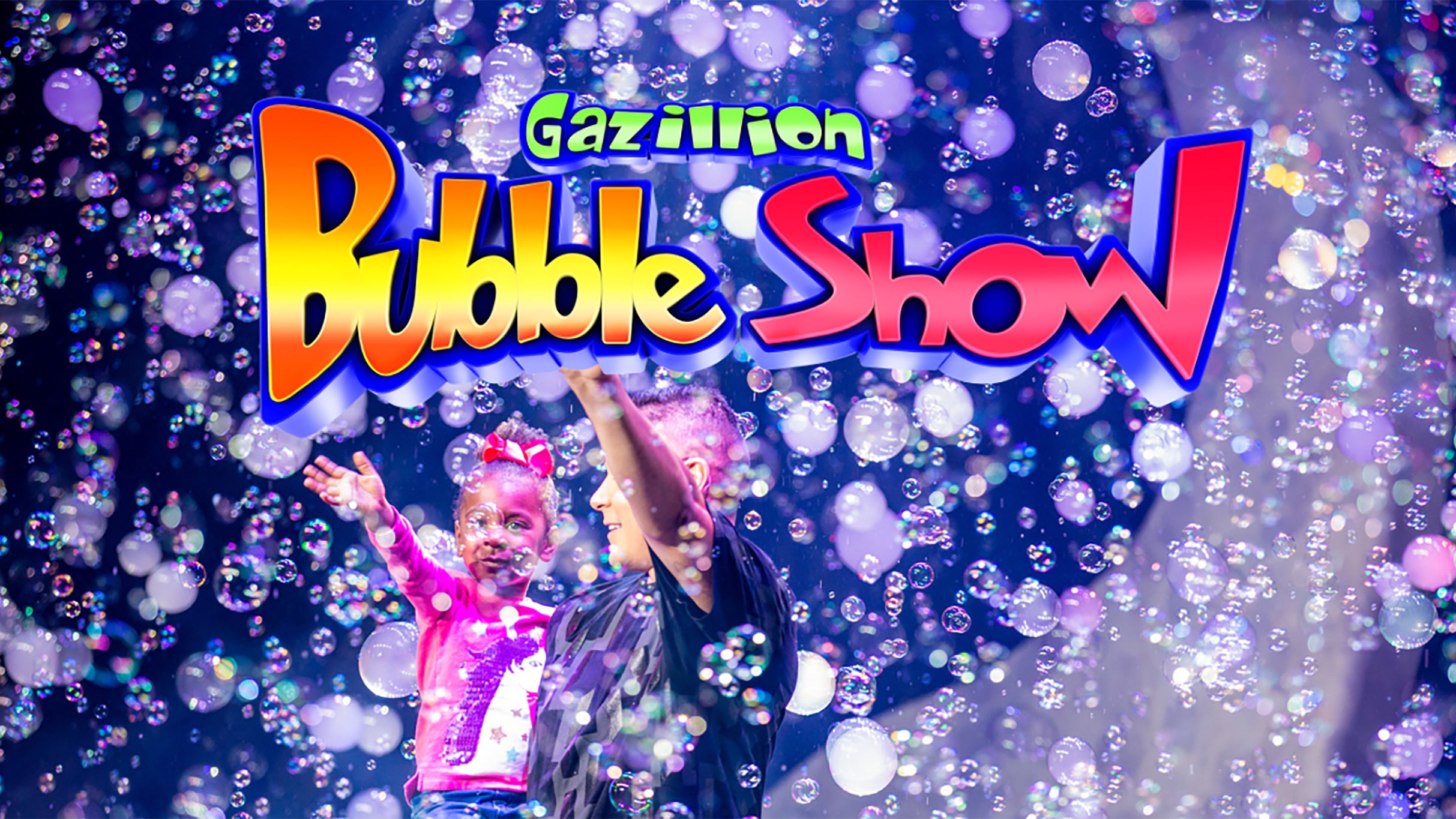
The Gazillion Bubble Show
Apr. 19, 2026
Candy Crafting at Cricket's Candy Creations
Apr. 19, 2026
Stranger Things: The First Shadow