- Today
- Holidays
- Birthdays
- Reminders
- Cities
- Atlanta
- Austin
- Baltimore
- Berwyn
- Beverly Hills
- Birmingham
- Boston
- Brooklyn
- Buffalo
- Charlotte
- Chicago
- Cincinnati
- Cleveland
- Columbus
- Dallas
- Denver
- Detroit
- Fort Worth
- Houston
- Indianapolis
- Knoxville
- Las Vegas
- Los Angeles
- Louisville
- Madison
- Memphis
- Miami
- Milwaukee
- Minneapolis
- Nashville
- New Orleans
- New York
- Omaha
- Orlando
- Philadelphia
- Phoenix
- Pittsburgh
- Portland
- Raleigh
- Richmond
- Rutherford
- Sacramento
- Salt Lake City
- San Antonio
- San Diego
- San Francisco
- San Jose
- Seattle
- Tampa
- Tucson
- Washington
Oil Prices Steady Amid Hormuz Shipping Constraints and US-Iran Peace Hopes
Ongoing supply disruption concerns offset Trump's comments on potential end to Iran conflict.
Apr. 15, 2026 at 7:22pm
Got story updates? Submit your updates here. ›
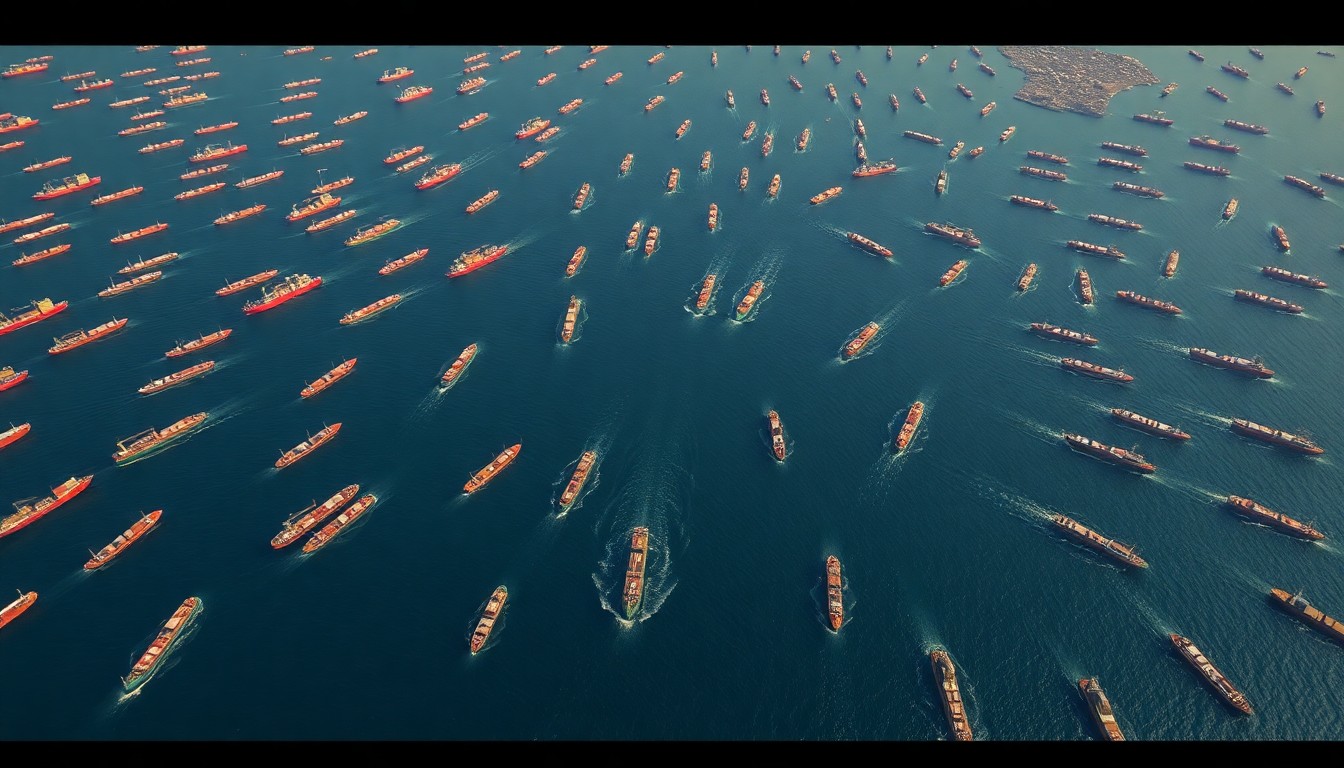 Aerial view of the Strait of Hormuz, a critical global chokepoint for oil and gas shipments, where disruptions have major implications for energy markets.NYC Today
Oil prices held steady on Wednesday as ongoing worries about supply disruptions in the Strait of Hormuz offset comments by U.S. President Donald Trump that the war with Iran could be over soon. While Iran has proposed allowing ships to sail freely through the Omani side of the strait, transit remains sharply below normal levels, with cumulative Middle Eastern crude and condensate supply losses reaching 496 million barrels to date.
Why it matters
The Strait of Hormuz is a critical global chokepoint for oil and LNG shipments, and disruptions there have significant implications for energy markets and the broader economy. The ongoing conflict between the U.S. and Iran has already led to substantial supply losses, and the potential for further escalation remains a concern.
The details
Brent futures rose 14 cents, or 0.1%, to settle at $94.93 a barrel, while U.S. West Texas Intermediate crude rose one cent to settle at $91.29. A source briefed by Tehran said Iran could consider allowing ships to sail freely through the Omani side of the Strait of Hormuz without risk of attack as part of proposals it has offered in negotiations with the U.S., but transit through the strait remains at only a fraction of the 130-plus daily crossings before the war. The U.S. has also enacted a blockade of shipping leaving Iranian ports, further disrupting global energy supply.
- Forty-five days after Iran's Revolutionary Guards declared the strait closed, effectively shutting in about 20% of global oil and LNG shipments.
- The U.S. will not be renewing the waivers that allowed the purchase of some Iranian and Russian oil without facing U.S. sanctions, according to Treasury Secretary Scott Bessent on Wednesday.
The players
Donald Trump
The President of the United States, who commented that the war with Iran could be over soon.
Scott Bessent
The U.S. Treasury Secretary, who stated the U.S. will not renew waivers allowing the purchase of some Iranian and Russian oil without facing sanctions.
Jerome Powell
The Chair of the U.S. Federal Reserve, whom President Trump threatened to fire from his separate seat on the Fed's Board of Governors if he does not vacate the Chair position when his term ends on May 15.
Austan Goolsbee
The President of the Chicago Federal Reserve Bank, who warned that the Iran war and Trump's tariffs pose a double danger for the U.S. central bank's ability to control inflation.
Vladimir Putin
The President of Russia, who is expected to visit China and increase energy supplies ahead of the trip, according to Russian Foreign Minister Sergei Lavrov.
What they’re saying
“The U.S. economy will be slower this quarter, but is in good shape and will rebound, and oil prices do not appear to be weighing on inflation expectations.”
— Scott Bessent, U.S. Treasury Secretary
“Higher oil prices could lead to a rise in consumer inflation expectations, and the U.S. central bank faces a double danger from the Iran war and Trump's tariffs.”
— Austan Goolsbee, Chicago Fed Bank President
What’s next
The U.S. and Iran are expected to continue negotiations in an effort to reach a ceasefire agreement that could help restore normal shipping operations through the Strait of Hormuz.
The takeaway
The ongoing conflict between the U.S. and Iran has severely disrupted global energy supply, with the Strait of Hormuz remaining a critical chokepoint. While there are some signs of progress in negotiations, the potential for further escalation and supply disruptions continues to weigh on oil markets and the broader economy.