- Today
- Holidays
- Birthdays
- Reminders
- Cities
- Atlanta
- Austin
- Baltimore
- Berwyn
- Beverly Hills
- Birmingham
- Boston
- Brooklyn
- Buffalo
- Charlotte
- Chicago
- Cincinnati
- Cleveland
- Columbus
- Dallas
- Denver
- Detroit
- Fort Worth
- Houston
- Indianapolis
- Knoxville
- Las Vegas
- Los Angeles
- Louisville
- Madison
- Memphis
- Miami
- Milwaukee
- Minneapolis
- Nashville
- New Orleans
- New York
- Omaha
- Orlando
- Philadelphia
- Phoenix
- Pittsburgh
- Portland
- Raleigh
- Richmond
- Rutherford
- Sacramento
- Salt Lake City
- San Antonio
- San Diego
- San Francisco
- San Jose
- Seattle
- Tampa
- Tucson
- Washington
Family Navigates Misophonia's Challenges with Resilience
A personal perspective on finding hope and adaptation when science offered little solace for a teenager's struggle with misophonia.
Apr. 13, 2026 at 6:22pm
Got story updates? Submit your updates here. ›
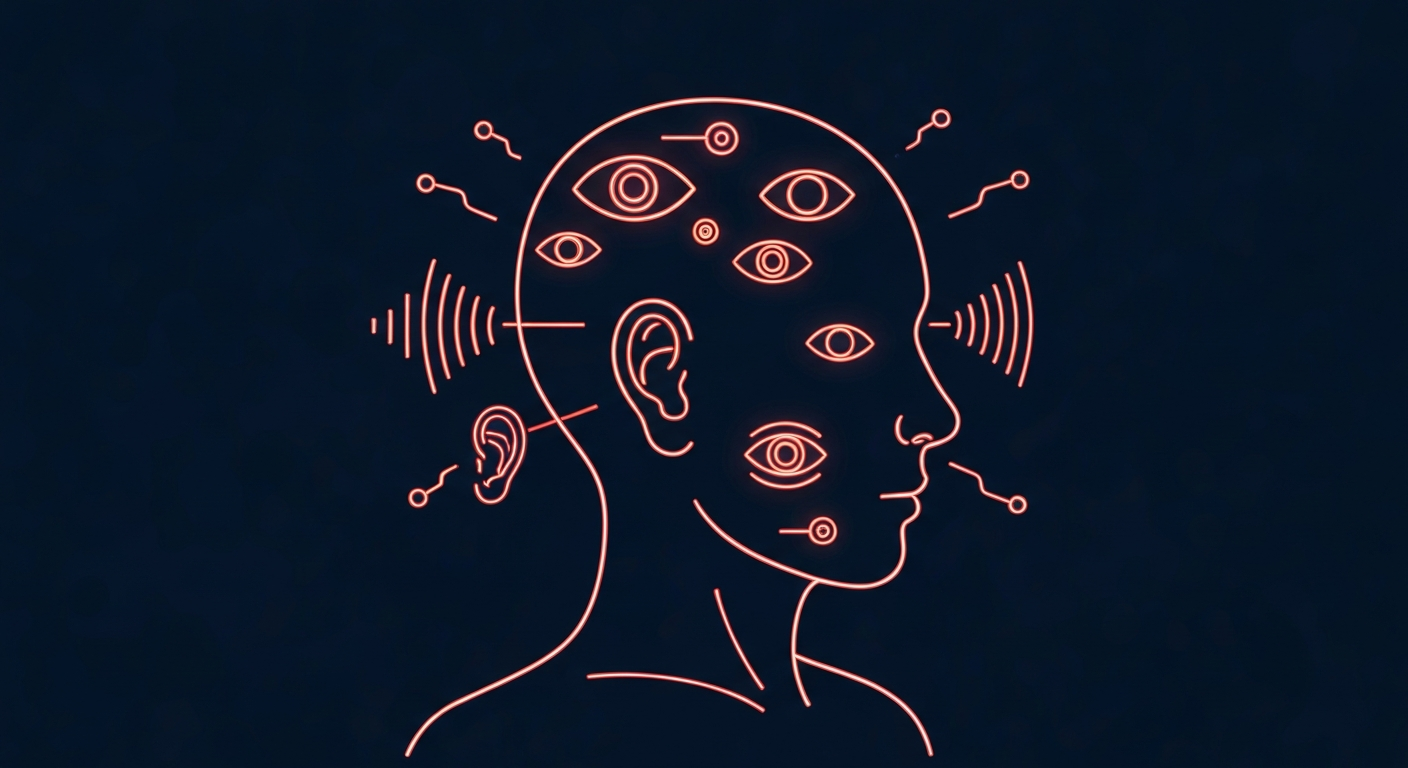 A family's journey through the challenges of misophonia reveals the power of resilience and finding meaning beyond clinical definitions.NYC Today
When the author's teenage son Thomas was diagnosed with misophonia, the condition quickly took over his life, with both sound and visual triggers causing him immense distress. The family faced isolation and crisis as they struggled to understand and manage Thomas's sensitivities, which went beyond the typical misophonia experience described in research. Over time, however, the family found ways to adapt, reframe their perspectives, and build resilience, discovering sources of meaning and purpose outside of a traditional family dynamic.
Why it matters
Misophonia is a complex condition that can have profound impacts on individuals and families, yet research has been limited in its understanding of the full scope of experiences. This personal story highlights the importance of respecting the unique sensory realities of those with misophonia, as well as the value of drawing on non-scientific sources of wisdom and community support when clinical approaches fall short.
The details
Thomas first experienced misophonia triggers at a young age, with visual cues like his mother's leg jiggling becoming as distressing as the typical sound-based triggers. This made his experience markedly different from the existing research, which had yet to fully acknowledge the role of visual stimuli. In the early years, Thomas avoided his family members, especially his mother, causing immense pain and isolation for the whole family. However, over time, they learned to adapt, finding ways for Thomas to maintain physical distance while still connecting emotionally. Thomas now lives independently but remains an active part of the family, visiting regularly and sharing his life. The family drew on the wisdom of misophonia advocates and online support communities, as well as non-scientific sources like poetry and philosophy, to reframe their perspectives and build resilience.
- Thomas was diagnosed with misophonia shortly after his 16th birthday.
- The first published study on visual triggers (misokinesia) in misophonia didn't appear until 2021, two years after Thomas's diagnosis.
The players
Thomas
The author's teenage son who was diagnosed with misophonia, experiencing both sound and visual triggers that severely disrupted his life.
Jennifer Jo Brout
A misophonia advocate whose expertise became a guide for the family.
What’s next
As research continues to evolve our understanding of misophonia, particularly the role of visual triggers, the family hopes their story can provide insight and inspiration for others navigating this complex condition.
The takeaway
This personal journey demonstrates the importance of respecting the unique experiences of those with misophonia, drawing on diverse sources of wisdom, and finding resilience in the face of profound challenges. It underscores how misophonia is not just a medical issue, but an existential crisis that requires a multifaceted approach to support individuals and families.