- Today
- Holidays
- Birthdays
- Reminders
- Cities
- Atlanta
- Austin
- Baltimore
- Berwyn
- Beverly Hills
- Birmingham
- Boston
- Brooklyn
- Buffalo
- Charlotte
- Chicago
- Cincinnati
- Cleveland
- Columbus
- Dallas
- Denver
- Detroit
- Fort Worth
- Houston
- Indianapolis
- Knoxville
- Las Vegas
- Los Angeles
- Louisville
- Madison
- Memphis
- Miami
- Milwaukee
- Minneapolis
- Nashville
- New Orleans
- New York
- Omaha
- Orlando
- Philadelphia
- Phoenix
- Pittsburgh
- Portland
- Raleigh
- Richmond
- Rutherford
- Sacramento
- Salt Lake City
- San Antonio
- San Diego
- San Francisco
- San Jose
- Seattle
- Tampa
- Tucson
- Washington
Concerns Grow Over Meta's Smart Glasses and Privacy Invasion
Advocacy groups warn wearable tech like Meta's smart glasses poses a 'dystopian privacy invasion'.
Apr. 19, 2026 at 4:25pm
Got story updates? Submit your updates here. ›
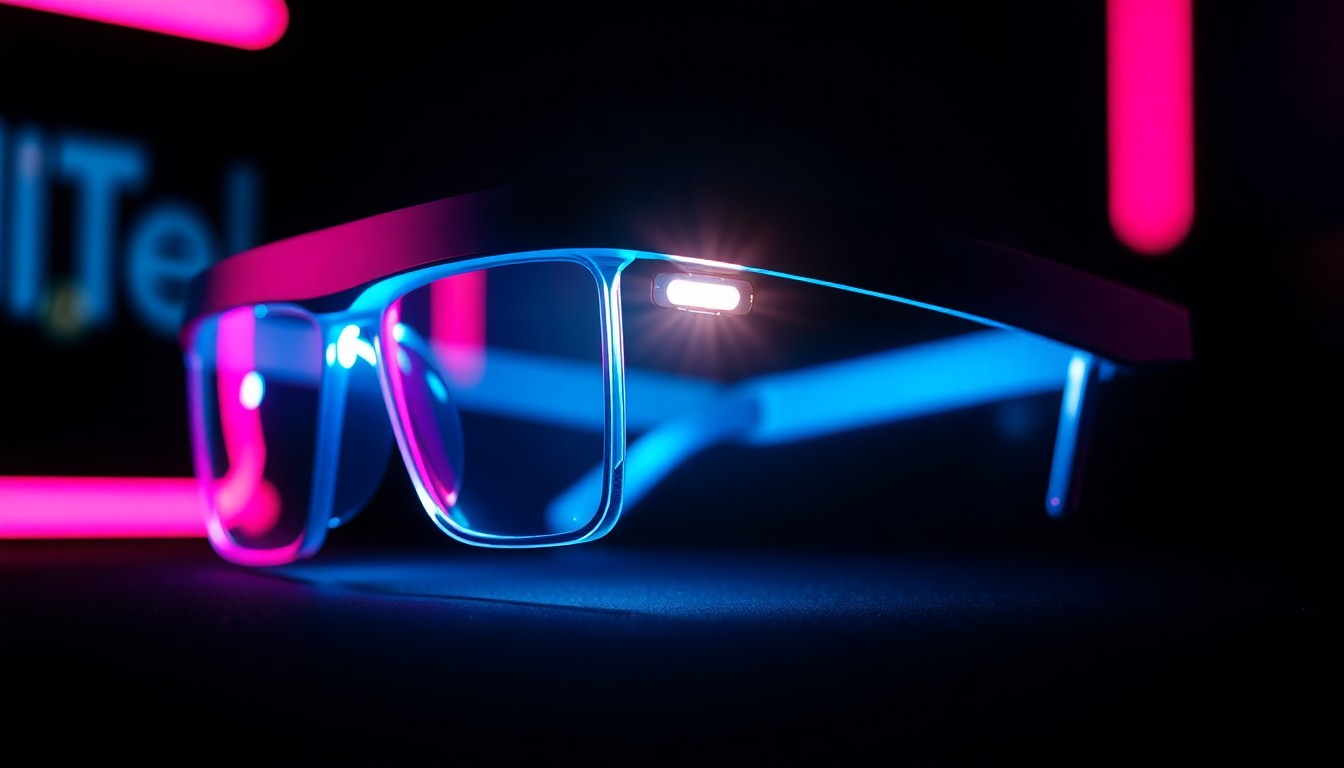 As smart glasses with hidden recording capabilities become more prevalent, the threat of undetected surveillance and privacy invasion looms large.Cambridge Today
Advocacy groups have issued a letter expressing concerns over Meta's plans to potentially add real-time facial recognition to its smart glasses, which they say represents a 'dystopian privacy invasion' and 'serious threat to privacy and civil liberties.' The glasses currently allow for discreet recording, leading to a host of privacy and legal questions. While Meta says users are responsible for complying with laws, privacy experts argue the law is struggling to keep up with the rapid advancement of this technology.
Why it matters
The widespread adoption of smart glasses with recording capabilities raises significant privacy concerns, especially for vulnerable groups like women and minorities who may be targeted. As this technology becomes more prevalent, there are calls for lawmakers to create clearer rules and regulations to protect people's privacy in public spaces.
The details
Meta's smart glasses, developed in partnership with Oakley and Ray-Ban, allow users to send texts, make calls, listen to music, and even translate text. While the glasses have an LED light that is meant to indicate when recording is taking place, the light can be easily missed or disabled. This has led to incidents where people have been secretly recorded without their consent, with the footage then shared online. Privacy experts say there are ways for people to sue over such invasions of privacy, but the law is struggling to keep up with the rapid advancement of this technology.
- In February 2026, a California state senator introduced a bill that would prohibit secret recordings with wearable devices like smart glasses in businesses and ensure recording lights are always visible.
- In late 2025, a woman named Toluwa Omitowoju was secretly recorded at an airport while waiting, with the video later appearing on social media.
The players
Khasif Hoda
A man who was recorded and identified by someone wearing 'weird-looking glasses' in Cambridge, Massachusetts, with the video garnering over 1.2 million views on X.
Toluwa Omitowoju
A woman who was secretly recorded at an airport while waiting, with the video later appearing on social media, making her feel 'very violated.'
Yves Jeanrenaud
The creator of the Nearby Glasses app, which can detect nearby smart glasses using Bluetooth data, in an effort to give people more awareness of this technology.
Woodrow Hartzog
A professor at Boston University law school who specializes in privacy and technology law, and argues the law is struggling to keep up with the rapid advancement of smart glasses technology.
Meta
The company behind the smart glasses developed in partnership with Oakley and Ray-Ban, which have faced significant scrutiny and privacy concerns.
What they’re saying
“There was something that was unsettling, if you will, about this whole interaction.”
— Khasif Hoda
“There are a lot of people that are affected by this kind of technology, and like I said as scholars have shown one time after another, women and various minorities, especially queer people, are a main target of such privacy-invading technology.”
— Yves Jeanrenaud, Professor, Osnabrück University of Applied Sciences
“This guy has exposed me to where people feel like they can just come up to me and shove things in my face. So I felt very violated.”
— Toluwa Omitowoju
“In the hands of a bad actor, this technology could be a remarkably powerful and dangerous tool.”
— Senators Ron Wyden, Jeff Merkley and Edward J. Markey, U.S. Senators
What’s next
Lawmakers are being urged to create more specific rules and regulations tailored to the unique privacy threats posed by the combination of facial recognition and nearly undetectable surveillance technology before it becomes ubiquitous.
The takeaway
As smart glasses with recording capabilities become more widespread, there are growing concerns about the erosion of privacy in public spaces, especially for vulnerable groups. This highlights the need for policymakers to stay ahead of the curve and enact laws that protect people's rights in the face of rapidly advancing technology.