- Today
- Holidays
- Birthdays
- Reminders
- Cities
- Atlanta
- Austin
- Baltimore
- Berwyn
- Beverly Hills
- Birmingham
- Boston
- Brooklyn
- Buffalo
- Charlotte
- Chicago
- Cincinnati
- Cleveland
- Columbus
- Dallas
- Denver
- Detroit
- Fort Worth
- Houston
- Indianapolis
- Knoxville
- Las Vegas
- Los Angeles
- Louisville
- Madison
- Memphis
- Miami
- Milwaukee
- Minneapolis
- Nashville
- New Orleans
- New York
- Omaha
- Orlando
- Philadelphia
- Phoenix
- Pittsburgh
- Portland
- Raleigh
- Richmond
- Rutherford
- Sacramento
- Salt Lake City
- San Antonio
- San Diego
- San Francisco
- San Jose
- Seattle
- Tampa
- Tucson
- Washington
MIT to Spend Over $3 Million on 500+ New Surveillance Cameras Across Campus
The tech-focused university cites campus safety as the driving force behind the major security upgrade.
Apr. 16, 2026 at 4:03am
Got story updates? Submit your updates here. ›
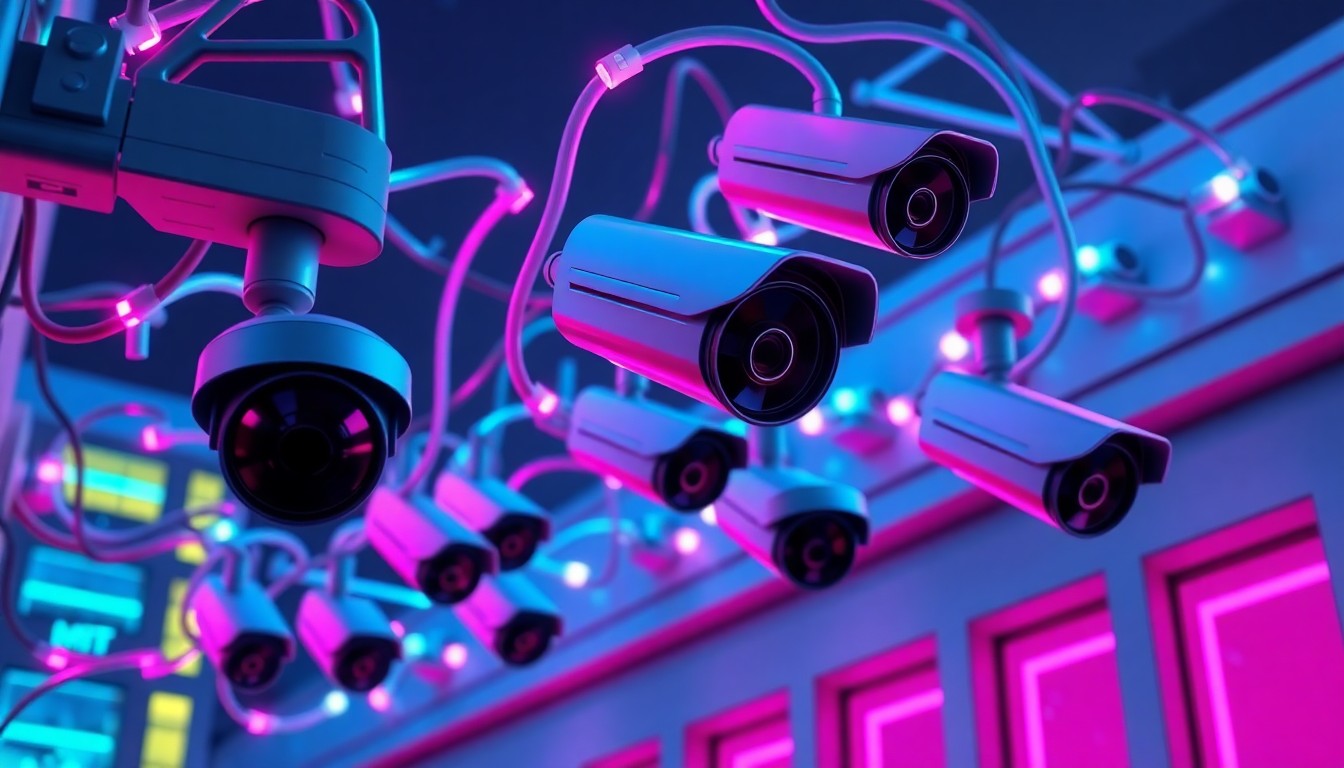 MIT's sweeping expansion of its campus surveillance network raises concerns about privacy and the potential for misuse, even as the university cites security as the driving force behind the upgrades.Cambridge Today
MIT is investing over $3 million to install more than 500 new AI-powered surveillance cameras across its academic buildings, residence halls, and outdoor areas along Memorial Drive. The project, which began in November 2025 and is expected to continue through September 2026, will give the university the ability to collect real-time data on faces, objects, motion, crowds, and more using advanced computer vision technology.
Why it matters
This camera expansion reflects a broader trend of universities bolstering their surveillance infrastructure, with the University of Pennsylvania and Brown University also recently announcing plans to grow their camera networks. However, the move has raised concerns from some MIT students about privacy and the potential use of the footage to monitor campus protests and activities.
The details
The bulk of the $3 million budget will go to German automation company Siemens, which is deploying 521 cameras across MIT's academic buildings. An additional 67 exterior cameras will be installed along Memorial Drive and near residential areas, including 13 new 'Code Blue' emergency phone towers equipped with security cameras. The primary camera supplier is Hanwha Vision, whose AI-powered models can identify and classify various objects, faces, and license plates in real time.
- The camera installation project began in November 2025.
- The project is expected to continue through September 2026.
The players
Siemens
A German automation company that is the primary contractor for the $2 million interior camera deployment of 521 cameras across MIT's academic buildings.
LCN
A telecommunications contractor involved in the excavation work, conduit installation, and camera mounting for the interior camera project.
Picardi Electric
A telecommunications contractor involved in the excavation work, conduit installation, and camera mounting for the interior and exterior camera projects.
Hanwha Vision
The primary supplier of the new AI-powered surveillance cameras, which can identify faces, license plates, vehicles, and other objects in real time.
Kimberly Allen
An MIT spokesperson who stated that the camera expansion project is part of regular efforts to promote campus security, and that any collected data is retained for up to 30 days.
What they’re saying
“History has shown us that surveillance states exist not to protect innocent people from criminals, but to make criminals of innocent people. We have seen this phenomenon play out at MIT, where the ratcheting up of tracking systems and police presence over the past years have done little other for the community than assist in witch hunts against student protestors.”
— Evan Lofink, MIT Student
“I understand the motivation behind [the new cameras], but I am not convinced that many more cameras in the hallway is useful in preventing anything. Seeing cameras everywhere I go makes me uncomfortable.”
— Jayna Ekelmann, MIT Student
What’s next
MIT has stated that this camera expansion project is the first phase of a multi-phase plan to increase surveillance coverage across campus. Details about any subsequent phases have not been made public.
The takeaway
MIT's decision to invest over $3 million in a major camera surveillance upgrade highlights the growing trend of universities bolstering their security infrastructure, even as some students express concerns about privacy and the potential misuse of the footage to monitor campus activities and protests.
Cambridge top stories


Cambridge events

Apr. 16, 2026
Ritt Momney, Mercury
Apr. 16, 2026
Lisa Curtis, Grenon
Apr. 16, 2026
Aaron Goldberg Trio