- Today
- Holidays
- Birthdays
- Reminders
- Cities
- Atlanta
- Austin
- Baltimore
- Berwyn
- Beverly Hills
- Birmingham
- Boston
- Brooklyn
- Buffalo
- Charlotte
- Chicago
- Cincinnati
- Cleveland
- Columbus
- Dallas
- Denver
- Detroit
- Fort Worth
- Houston
- Indianapolis
- Knoxville
- Las Vegas
- Los Angeles
- Louisville
- Madison
- Memphis
- Miami
- Milwaukee
- Minneapolis
- Nashville
- New Orleans
- New York
- Omaha
- Orlando
- Philadelphia
- Phoenix
- Pittsburgh
- Portland
- Raleigh
- Richmond
- Rutherford
- Sacramento
- Salt Lake City
- San Antonio
- San Diego
- San Francisco
- San Jose
- Seattle
- Tampa
- Tucson
- Washington
Loneliness Linked to Memory Issues, But Not Dementia
Researcher clarifies the distinction between loneliness and neurodegenerative diseases like Alzheimer's
Apr. 19, 2026 at 9:48pm by Ben Kaplan
Got story updates? Submit your updates here. ›
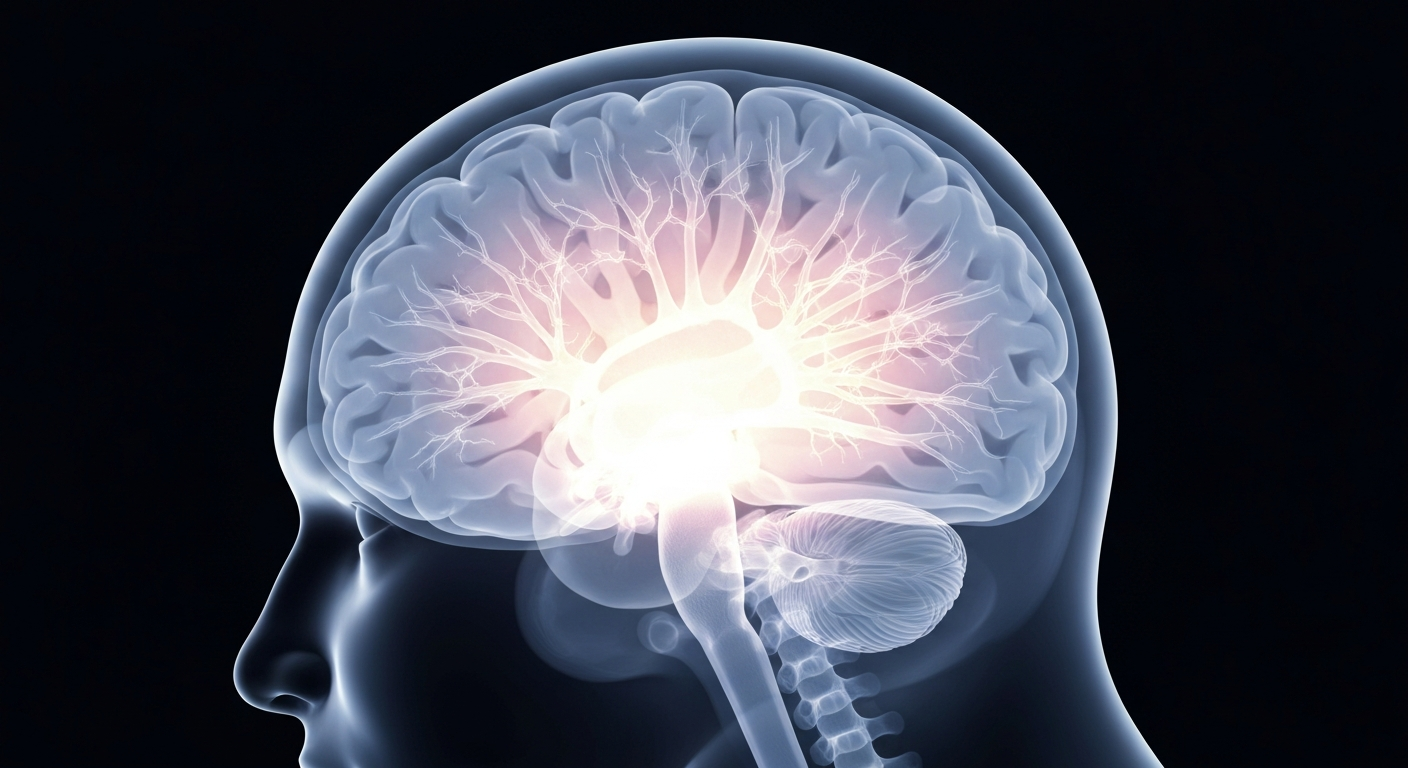 Emerging research explores how loneliness may indirectly impact brain health through physiological changes, though the link to dementia remains complex.San Francisco Today
Loneliness may contribute to memory issues in older adults, but it does not directly cause dementia, according to Dr. Ashwin Kotwal, an assistant professor of medicine at the University of California, San Francisco. While studies have shown a correlation between chronic loneliness and poorer performance on memory tests, Kotwal emphasized that loneliness is not a direct pathway to neurodegenerative diseases like Alzheimer's.
Why it matters
As the global population ages, understanding the nuanced relationship between mental well-being and cognitive function will be key to developing effective prevention strategies. The distinction between loneliness and dementia is an important public health issue, as loneliness has been recognized as a significant social determinant of health.
The details
Kotwal explained that the relationship between loneliness and memory issues is complex and likely indirect. Prolonged loneliness can lead to behaviors and physiological changes, such as depression, poor sleep, reduced physical activity, and chronic inflammation, that may secondarily affect brain health over time. However, loneliness alone does not increase the incidence of clinically diagnosed dementia when controlling for other health factors.
- The comments came from a recent interview with Dr. Kotwal.
- A 2023 study published in the journal Neurology followed over 8,000 adults aged 65 and older for more than a decade.
- A 2022 meta-analysis in The Lancet Healthy Longevity reviewed data from 60 longitudinal studies.
The players
Dr. Ashwin Kotwal
An assistant professor of medicine in the Division of Geriatrics at the University of California, San Francisco.
Live Science
The publication that interviewed Dr. Kotwal about the research linking loneliness and memory issues.
What they’re saying
“Loneliness may contribute to memory issues, but not dementia — they are 'not the same thing,'”
— Dr. Ashwin Kotwal, Assistant Professor of Medicine
“We see changes in brain structure and function in people who are chronically lonely, but these changes don't necessarily equate to the neurodegeneration seen in dementia.”
— Dr. Ashwin Kotwal, Assistant Professor of Medicine
“We don't want to alarm people into thinking that feeling lonely means they're on the path to dementia.”
— Dr. Ashwin Kotwal, Assistant Professor of Medicine
What’s next
Researchers continue to investigate the biological mechanisms linking social experience to brain health, using neuroimaging and biomarkers to track how loneliness affects the brain over time.
The takeaway
While addressing loneliness should be a public health priority, it is important not to overstate its neurological impact. Maintaining social engagement supports overall brain health, reduces stress, and encourages healthy behaviors, all of which are protective against cognitive decline.
San Francisco top stories



San Francisco events

Apr. 20, 2026
Bloodywood: System Of A Brown Tour 2026
Apr. 20, 2026
FANTASTIC PLANET
Apr. 20, 2026
FANTASTIC PLANET