- Today
- Holidays
- Birthdays
- Reminders
- Cities
- Atlanta
- Austin
- Baltimore
- Berwyn
- Beverly Hills
- Birmingham
- Boston
- Brooklyn
- Buffalo
- Charlotte
- Chicago
- Cincinnati
- Cleveland
- Columbus
- Dallas
- Denver
- Detroit
- Fort Worth
- Houston
- Indianapolis
- Knoxville
- Las Vegas
- Los Angeles
- Louisville
- Madison
- Memphis
- Miami
- Milwaukee
- Minneapolis
- Nashville
- New Orleans
- New York
- Omaha
- Orlando
- Philadelphia
- Phoenix
- Pittsburgh
- Portland
- Raleigh
- Richmond
- Rutherford
- Sacramento
- Salt Lake City
- San Antonio
- San Diego
- San Francisco
- San Jose
- Seattle
- Tampa
- Tucson
- Washington
Identifying and Avoiding Toxic Plants
Experts share tips to safely navigate nature's abundance of hazardous flora
Apr. 18, 2026 at 9:37pm by Ben Kaplan
Got story updates? Submit your updates here. ›
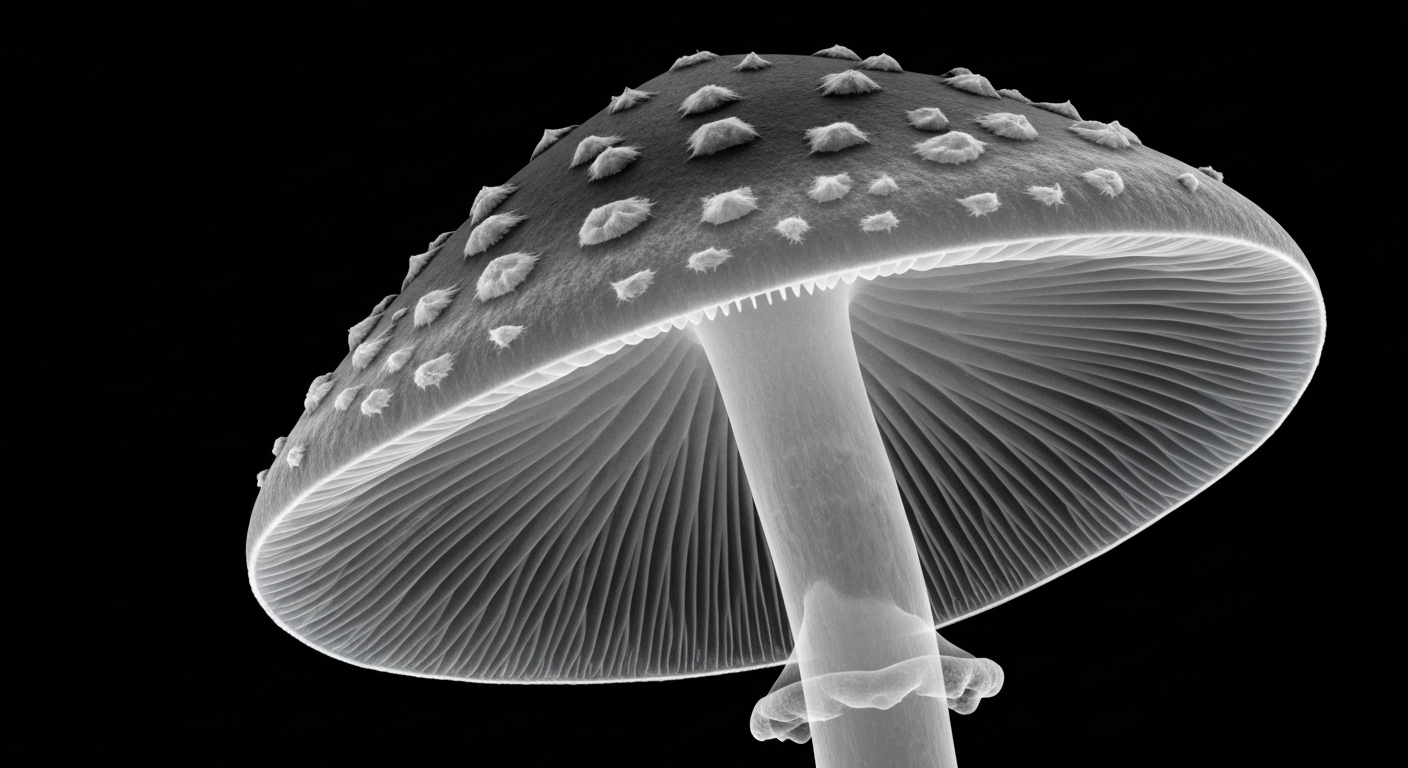 A ghostly X-ray view of one of nature's most dangerous fungi serves as a sobering reminder of the hidden toxins that may lurk in our gardens and forests.San Francisco Today
With the arrival of National Garden Month, officials from the California Poison Control System are warning the public about the risks of toxic plants and mushrooms. Research shows there are around 100,000 plant-related poisoning cases in the U.S. each year, with symptoms ranging from mild rashes to life-threatening liver damage. Experts advise calling the Poison Hotline immediately if exposure occurs, as early treatment is crucial.
Why it matters
Many people are unaware of the abundance of toxic plants and mushrooms that can be found in gardens, parks, and the wild. Raising awareness about identifying and avoiding these hazards is important to prevent serious illnesses, injuries, and even deaths, especially during the spring gardening season.
The details
Toxic plants can produce chemicals that cause harm, and even non-toxic plants may become dangerous if contaminated with pesticides. Symptoms of plant poisoning can appear within minutes or be delayed, and can include rashes, vomiting, diarrhea, and organ damage. Mushroom toxicity in particular can lead to liver failure and death. Since 2025, the California Poison Control System has identified 40 cases of death cap mushroom poisoning, resulting in 4 deaths and 3 liver transplants.
- National Garden Month is observed every April.
- Since November 18, 2025, the California Poison Control System has identified 40 cases of death cap mushroom poisoning.
The players
California Poison Control System (CPCS)
A statewide organization that provides 24/7 emergency poison information and treatment advice to the public. It is part of the University of California San Francisco School of Pharmacy and is responsible to the California Emergency Medical Services Authority.
Dr. Rais Vohra
The Medical Director for the Fresno/Madera Division of the California Poison Control System.
Amanita phalloides
Also known as the death cap mushroom, one of the deadliest mushroom species in the world.
What they’re saying
“There are a lot of plants and mushrooms that can cause toxicity. Most of the time, plant poisonings are mild, simply requiring observation and no treatment.”
— Dr. Rais Vohra, Medical Director, Fresno/Madera Division, California Poison Control System
“But there are other plants that pose a serious risk of illness, injury, and even death, so it's important to be able to identify them.”
— Dr. Rais Vohra, Medical Director, Fresno/Madera Division, California Poison Control System
“Some symptoms can appear within minutes while others can be delayed. So it is important to always call Poison Control if you, your child, or another loved one has touched or consumed a plant or part of a plant, including wild mushrooms, which may be poisonous.”
— Dr. Rais Vohra, Medical Director, Fresno/Madera Division, California Poison Control System
What’s next
The California Poison Control System recommends that anyone who suspects they or a loved one may have been exposed to a toxic plant or mushroom should call the Poison Hotline at 1-800-222-1222 immediately, even if symptoms have not yet appeared. Early treatment is crucial to prevent serious illness or injury.
The takeaway
This story highlights the importance of educating the public about the abundance of toxic plants and mushrooms that can be found in gardens, parks, and the wild. By knowing how to identify these hazards and what to do in case of exposure, people can safely enjoy nature while protecting themselves and their loved ones from potential harm.
San Francisco top stories


San Francisco events

Apr. 18, 2026
Jason Cheny
Apr. 18, 2026
Mayday Mae!/ Jaded Justice/ Scorpio Moon
Apr. 18, 2026
SFBATCO: The Lin-Manuel Effect