- Today
- Holidays
- Birthdays
- Reminders
- Cities
- Atlanta
- Austin
- Baltimore
- Berwyn
- Beverly Hills
- Birmingham
- Boston
- Brooklyn
- Buffalo
- Charlotte
- Chicago
- Cincinnati
- Cleveland
- Columbus
- Dallas
- Denver
- Detroit
- Fort Worth
- Houston
- Indianapolis
- Knoxville
- Las Vegas
- Los Angeles
- Louisville
- Madison
- Memphis
- Miami
- Milwaukee
- Minneapolis
- Nashville
- New Orleans
- New York
- Omaha
- Orlando
- Philadelphia
- Phoenix
- Pittsburgh
- Portland
- Raleigh
- Richmond
- Rutherford
- Sacramento
- Salt Lake City
- San Antonio
- San Diego
- San Francisco
- San Jose
- Seattle
- Tampa
- Tucson
- Washington
Weight Loss Meds Linked to Significant Muscle Loss, Study Warns
UNC researchers find newer diabetes and obesity drugs like semaglutide and tirzepatide may cause higher-than-expected muscle loss.
Apr. 18, 2026 at 2:04am by Ben Kaplan
Got story updates? Submit your updates here. ›
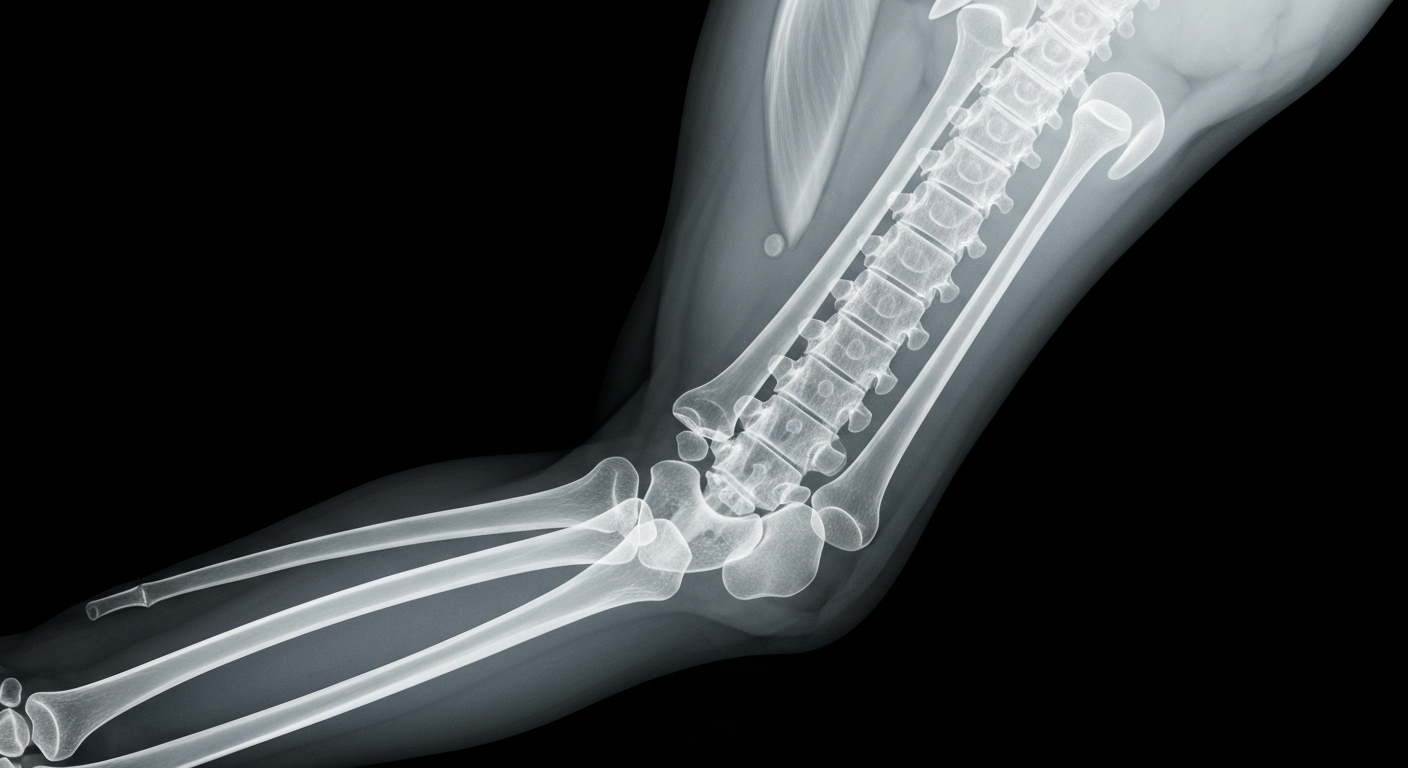 An X-ray view exposes the hidden toll that some weight loss drugs can take on muscle mass.San Francisco Today
A new study from the UNC School of Medicine has found that newer medications for type 2 diabetes and obesity, including semaglutide and tirzepatide, are associated with high rates of muscle loss relative to the amount of weight lost. The researchers advise clinicians to closely monitor patients' muscle health when prescribing these weight loss drugs, especially for older adults who are at higher risk of falls and mobility issues from significant muscle loss.
Why it matters
As these newer weight loss medications become more widely prescribed, it's critical to understand their full impact on patient health, including the potential for unintended muscle loss that could lead to serious consequences like falls and reduced quality of life, especially for older adults.
The details
The study, published in Annals of Internal Medicine, analyzed data from multiple clinical trials on incretin-based medications like semaglutide and tirzepatide. The researchers found that the proportion of weight loss attributable to muscle mass was consistently higher than anticipated across the studies, indicating significant muscle loss beyond what would normally be expected with weight reduction.
- The findings were presented by lead researcher John A. Batsis, MD, at the American College of Physicians' Internal Medicine Meeting in San Francisco, California on April 18, 2026.
The players
John A. Batsis, MD
An expert on obesity and nutrition at the UNC School of Medicine and the UNC Gillings School of Public Health, and the lead author of the study.
UNC School of Medicine
The academic institution where the study was conducted.
Annals of Internal Medicine
The medical journal that published the study's findings.
American College of Physicians (ACP)
The professional organization that hosted the Internal Medicine Meeting where the study was presented.
What they’re saying
“While muscle loss is expected during weight loss, we observed that the proportion of weight loss attributable to muscle was consistently higher than anticipated across studies.”
— John A. Batsis, MD, Lead Researcher
“Significant muscle loss can lead to a higher fall risk, so additional trials specifically designed to evaluate aging-related outcomes that include mobility and quality of life are urgently needed.”
— John A. Batsis, MD, Lead Researcher
What’s next
The researchers advise clinicians to carefully monitor patients' muscle health when prescribing weight loss medications like semaglutide and tirzepatide, and call for more clinical trials focused on evaluating the impact of these drugs on older adults.
The takeaway
As newer diabetes and obesity medications become more widely used, this study highlights the need for closer monitoring of muscle loss and its potential consequences, especially for older patients who may be at higher risk of falls and mobility issues. The findings underscore the importance of holistic health evaluations beyond just weight loss when prescribing these types of weight management drugs.
San Francisco top stories



San Francisco events

Apr. 18, 2026
Jason Cheny
Apr. 18, 2026
Mayday Mae!/ Jaded Justice/ Scorpio Moon
Apr. 18, 2026
SFBATCO: The Lin-Manuel Effect