- Today
- Holidays
- Birthdays
- Reminders
- Cities
- Atlanta
- Austin
- Baltimore
- Berwyn
- Beverly Hills
- Birmingham
- Boston
- Brooklyn
- Buffalo
- Charlotte
- Chicago
- Cincinnati
- Cleveland
- Columbus
- Dallas
- Denver
- Detroit
- Fort Worth
- Houston
- Indianapolis
- Knoxville
- Las Vegas
- Los Angeles
- Louisville
- Madison
- Memphis
- Miami
- Milwaukee
- Minneapolis
- Nashville
- New Orleans
- New York
- Omaha
- Orlando
- Philadelphia
- Phoenix
- Pittsburgh
- Portland
- Raleigh
- Richmond
- Rutherford
- Sacramento
- Salt Lake City
- San Antonio
- San Diego
- San Francisco
- San Jose
- Seattle
- Tampa
- Tucson
- Washington
Multidrug-Resistant TB Exposure Reported At San Diego-Area Community College
Officials warn of possible exposure at Southwestern Community College between October and December 2025.
Apr. 13, 2026 at 7:19pm
Got story updates? Submit your updates here. ›
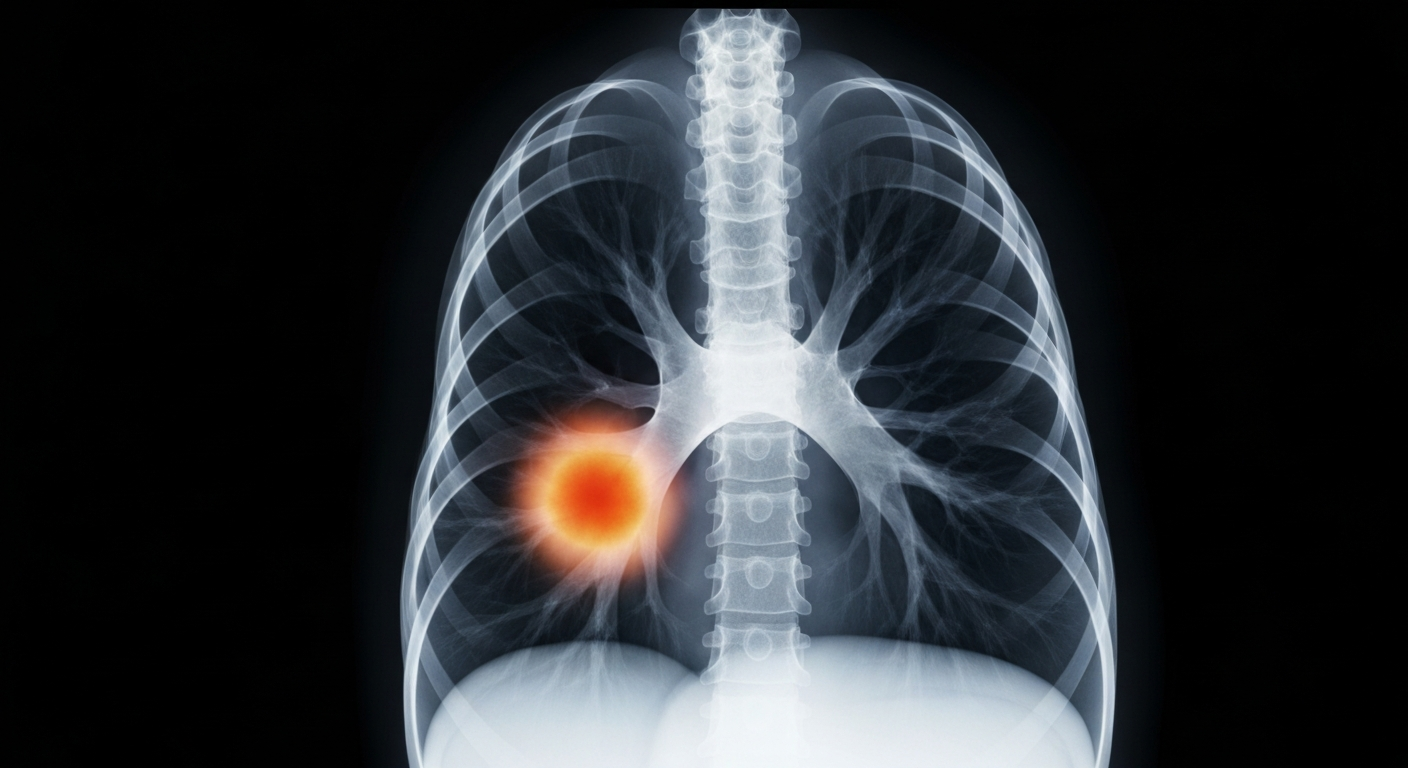 An X-ray image reveals the internal damage caused by multidrug-resistant tuberculosis, a serious public health threat in San Diego County.San Diego Today
San Diego County health officials have announced a possible exposure to multidrug-resistant tuberculosis (MDR-TB) at Southwestern Community College's main campus in Chula Vista. The exposure may have occurred between October 27 and December 14, 2025. Tuberculosis is an airborne disease that can be difficult to diagnose, and MDR-TB is a form that does not respond to standard medications, requiring more complex treatment.
Why it matters
TB cases have been rising in San Diego County since 2020, and MDR-TB is less common but more challenging to treat. This exposure raises concerns about the potential spread of a serious infectious disease on a community college campus, highlighting the importance of early screening and treatment to protect public health.
The details
According to the county's Tuberculosis Prevention and Care Program, people who spent extended time indoors at the Southwestern Community College campus during the specified period face the highest risk of infection. Tuberculosis can be difficult to diagnose, and people may be sick for months before receiving a diagnosis, which can lengthen exposure periods. MDR-TB is a form of TB that does not respond to standard medications, requiring more complicated and lengthier treatment.
- The possible exposure occurred between October 27 and December 14, 2025 at Southwestern Community College's main campus in Chula Vista.
- TB cases in San Diego County have been on the rise since 2020, with 193 cases reported in 2020, 201 in 2021, 208 in 2022, 242 in 2023, 247 in 2024, and 265 in 2025.
- Multidrug-resistant tuberculosis is less common, with three people diagnosed with MDR-TB in the county in 2024 and two diagnosed in 2025.
The players
San Diego County's Tuberculosis Prevention and Care Program
The county agency responsible for monitoring and responding to tuberculosis cases, including this potential MDR-TB exposure at Southwestern Community College.
Dr. Sayone Thihalolipavan
The county's public health officer, who provided guidance on the MDR-TB exposure and the importance of early screening and treatment.
Southwestern Community College
The community college in Chula Vista, California where the potential MDR-TB exposure occurred.
What they’re saying
“Multidrug-resistant tuberculosis can be more complicated and lengthier to treat since it is a form of infection that does not respond to the usual medicines.”
— Dr. Sayone Thihalolipavan, San Diego County Public Health Officer
“The good news is that TB, including MDR-TB, is treatable and curable with the right medication. If you believe you may have been exposed, contact the County Tuberculosis Department right away. Early screening and treatment is important to help protect your health and the health of our community.”
— Dr. Sayone Thihalolipavan, San Diego County Public Health Officer
What’s next
People who test positive for TB but do not have active symptoms likely have latent TB and should get a chest X-ray and talk to a medical provider. The county Tuberculosis Department is urging anyone who believes they may have been exposed to contact them immediately for early screening and treatment.
The takeaway
This MDR-TB exposure at a community college highlights the ongoing challenges of managing infectious diseases, especially those that are more resistant to standard treatments. It underscores the importance of robust public health monitoring, early detection, and proactive community outreach to contain the spread of serious illnesses and protect vulnerable populations.
San Diego top stories



San Diego events

Apr. 15, 2026
San Diego Padres vs. Seattle Mariners
Apr. 15, 2026
San Diego Gulls vs. Tucson Roadrunners
Apr. 15, 2026
The Notebook (Touring)