- Today
- Holidays
- Birthdays
- Reminders
- Cities
- Atlanta
- Austin
- Baltimore
- Berwyn
- Beverly Hills
- Birmingham
- Boston
- Brooklyn
- Buffalo
- Charlotte
- Chicago
- Cincinnati
- Cleveland
- Columbus
- Dallas
- Denver
- Detroit
- Fort Worth
- Houston
- Indianapolis
- Knoxville
- Las Vegas
- Los Angeles
- Louisville
- Madison
- Memphis
- Miami
- Milwaukee
- Minneapolis
- Nashville
- New Orleans
- New York
- Omaha
- Orlando
- Philadelphia
- Phoenix
- Pittsburgh
- Portland
- Raleigh
- Richmond
- Rutherford
- Sacramento
- Salt Lake City
- San Antonio
- San Diego
- San Francisco
- San Jose
- Seattle
- Tampa
- Tucson
- Washington
Cupertino Today
By the People, for the People
Apple's AR Glasses Launch Timeline Aligns with Booming Global Market
Counterpoint Research data shows the AR glasses category is set for massive growth, giving Apple a prime opportunity with its upcoming display-free smart glasses
Apr. 13, 2026 at 1:36pm
Got story updates? Submit your updates here. ›
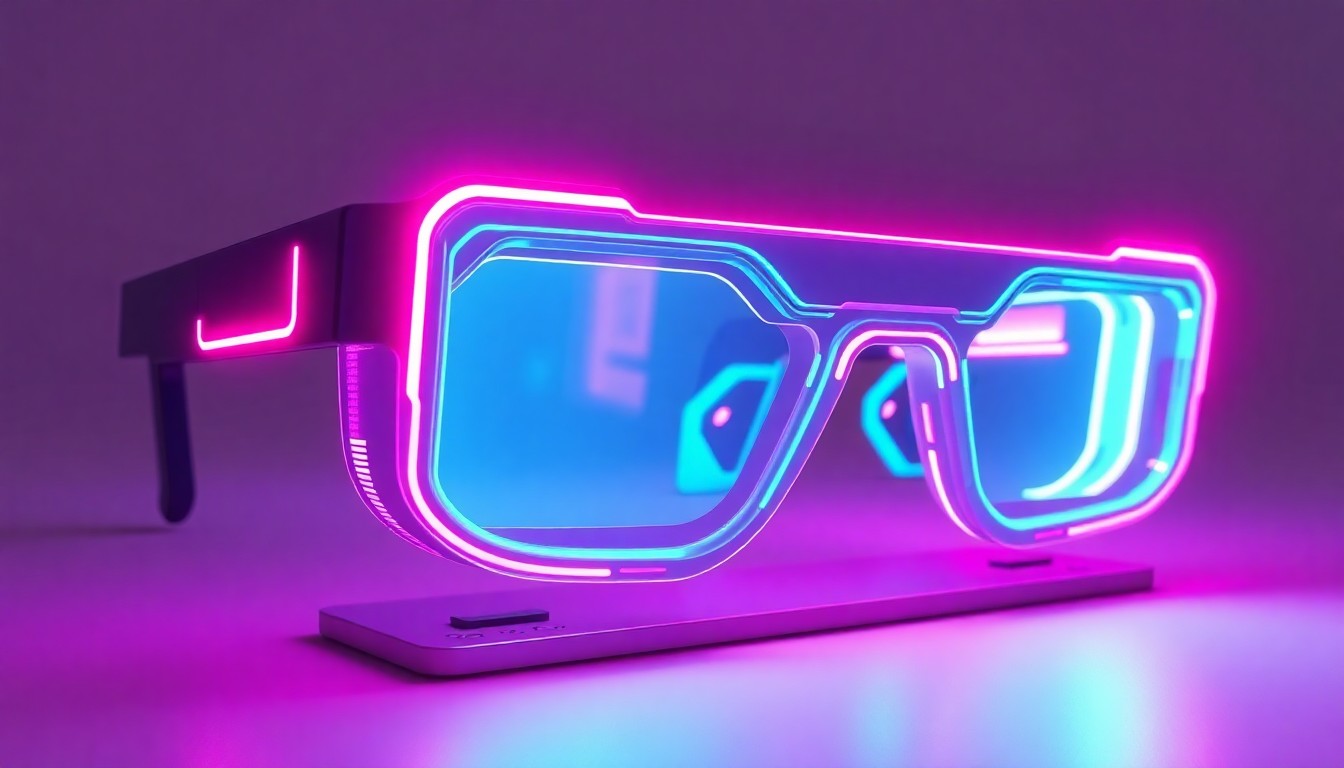 Apple's upcoming AR glasses aim to capitalize on the booming global market for smart wearable tech.Cupertino Today
A new report from Counterpoint Research highlights the rapid growth expected in the global AR smart glasses market, with shipments projected to surge 98% year-over-year in the second half of 2025. This positive trajectory sets the stage for Apple's highly anticipated launch of its first display-free AR glasses, currently scheduled for early 2027. The report analyzes key trends in the waveguide-based and video-centric AR glasses segments, noting China and the U.S. as the biggest markets, which aligns well with Apple's target audience.
Why it matters
Apple's entry into the AR glasses market comes at a pivotal time, as the category is poised for significant global expansion. By launching its first display-free smart glasses in 2027, Apple can capitalize on the growing consumer demand and technological advancements in this space, potentially replicating the success it has seen with the iPhone in the smartphone market.
The details
According to Counterpoint Research, global AR smart glasses shipments are expected to witness a 98% year-over-year increase in the second half of 2025. In the video-centric category, RayNeo leads with a 42% market share, followed by XREAL and VITURE. In the waveguide-based segment, Rokid and Meta are the frontrunners, resulting in a 611% year-over-year growth. By 2025, 70% of waveguide-based smart spectacles will feature chipsets, microphones, speakers, cameras, and wireless adapters, with China and the U.S. being the biggest markets. This aligns well with Apple's plans to launch its first display-free AR glasses in early 2027, as the company can leverage its expertise in efficient chipsets and battery life to create a lightweight, feature-rich accessory that stands out from the competition.
- In H2 2025, AR glasses with advanced features are expected to represent 70% of the waveguide-based smart spectacles market.
- Apple's first display-free AR glasses are scheduled to launch in early 2027.
The players
RayNeo
A leading player in the video-centric AR glasses segment, with a 42% market share.
XREAL
A company competing in the video-centric AR glasses market.
VITURE
A company competing in the video-centric AR glasses market.
Rokid
A leading player in the waveguide-based AR glasses segment.
Meta
A leading player in the waveguide-based AR glasses segment.
What they’re saying
“While we never claimed to be analysts, looking at the 'less than stellar' sales of the Apple Vision Pro and its immediate successor, the M5 Vision Pro thanks to the sheer bulk and ludicrously high price tag, the Cupertino firm should brainstorm on whether it wants to alienate a large portion of its customer base by charging a premium for a pair of glasses or target a bigger piece of the pie.”
— Omar Sohail, Reporter and Analyst, Wccftech
What’s next
As Apple prepares to launch its first display-free AR glasses in early 2027, the company will need to carefully consider pricing and positioning to ensure the product resonates with a broad consumer base and avoids the fate of the bulky and expensive Apple Vision Pro.
The takeaway
Apple's upcoming AR glasses launch aligns perfectly with the rapid growth expected in the global smart glasses market, giving the company a prime opportunity to capitalize on this emerging technology trend. However, Apple must learn from the missteps of its previous high-end AR headset and ensure its new glasses are priced and positioned to appeal to a mainstream audience.