- Today
- Holidays
- Birthdays
- Reminders
- Cities
- Atlanta
- Austin
- Baltimore
- Berwyn
- Beverly Hills
- Birmingham
- Boston
- Brooklyn
- Buffalo
- Charlotte
- Chicago
- Cincinnati
- Cleveland
- Columbus
- Dallas
- Denver
- Detroit
- Fort Worth
- Houston
- Indianapolis
- Knoxville
- Las Vegas
- Los Angeles
- Louisville
- Madison
- Memphis
- Miami
- Milwaukee
- Minneapolis
- Nashville
- New Orleans
- New York
- Omaha
- Orlando
- Philadelphia
- Phoenix
- Pittsburgh
- Portland
- Raleigh
- Richmond
- Rutherford
- Sacramento
- Salt Lake City
- San Antonio
- San Diego
- San Francisco
- San Jose
- Seattle
- Tampa
- Tucson
- Washington
Ben & Jerry's Co-Founder Pushes for Brand's Independence
Cohen calls on Magnum to sell Ben & Jerry's to socially-minded investors, but owner says brand is not for sale
Apr. 15, 2026 at 1:18am
Got story updates? Submit your updates here. ›
 The future of Ben & Jerry's social activism hangs in the balance as the brand's co-founder pushes for independence from its current corporate owner.Burlington Today
Ben Cohen, co-founder of Ben & Jerry's ice cream, is calling on the brand's current owner, Magnum Ice Cream Co., to sell the company to a group of socially-conscious investors. Cohen claims Magnum has stifled Ben & Jerry's progressive activism, preventing the company from speaking out on issues like Black History Month, the Gaza conflict, and student protests. However, Magnum says it remains fully committed to Ben & Jerry's mission and the brand is not for sale.
Why it matters
Ben & Jerry's was founded on a mission of social responsibility and activism, which has been a key part of the brand's identity and success over the past 50 years. Cohen's push for independence reflects concerns that the company's core values and ability to take public stances are being compromised under Magnum's ownership.
The details
In 2000, Unilever acquired Ben & Jerry's for $326 million, with an agreement that the company's independent board could continue pursuing its social mission. However, tensions arose in 2021 when Ben & Jerry's announced it would stop serving Israeli settlements, leading Unilever to distance itself. Unilever later sold its Israeli business, prompting Ben & Jerry's to sue, accusing Unilever of silencing its statements on political issues. When Unilever spun off its ice cream brands in 2024, Magnum became an independent company and now owns Ben & Jerry's.
- In 2000, Unilever acquired Ben & Jerry's for $326 million.
- In 2021, Ben & Jerry's announced it would stop serving Israeli settlements, leading to tensions with Unilever.
- In 2024, Unilever sold its Israeli business and spun off its ice cream brands, including Ben & Jerry's, which was acquired by Magnum.
- In September 2025, Ben & Jerry's co-founder Jerry Greenfield resigned, calling it a 'painful' decision.
The players
Ben Cohen
Co-founder of Ben & Jerry's ice cream who is calling for the brand to be sold to socially-minded investors.
Jerry Greenfield
Co-founder of Ben & Jerry's who resigned from the company in September 2025, citing the loss of the brand's independence.
Magnum Ice Cream Co.
The current owner of Ben & Jerry's, which acquired the brand in 2025 after Unilever spun off its ice cream business.
Unilever
The London conglomerate that acquired Ben & Jerry's in 2000 for $326 million, with an agreement to allow the company's independent board to pursue its social mission.
What they’re saying
“Magnum prevented Ben & Jerry's from putting out a post supporting Black History Month. (Ben & Jerry's) wanted to come out with a post calling for a ceasefire in Gaza. Magnum prevented that. We wanted to support the student protesters. Magnum wouldn't allow that.”
— Ben Cohen, Co-founder, Ben & Jerry's
“The longer this goes on, the more they're destroying the brand equity.”
— Ben Cohen, Co-founder, Ben & Jerry's
“Ben & Jerry's is a proud and thriving part of The Magnum Ice Cream Company. We remain fully committed to the Ben & Jerry's model and its three-part mission — product, economic and social.”
— Magnum Ice Cream Co.
What’s next
It remains to be seen whether Magnum will agree to sell Ben & Jerry's to the socially-minded investors that Cohen is seeking to work with. The future of the brand's independent activism and social mission hangs in the balance.
The takeaway
This dispute over Ben & Jerry's independence highlights the tension between a brand's core values and the priorities of its corporate owner. The outcome will determine whether the iconic ice cream company can maintain its progressive identity and continue its long history of social activism.
Burlington top stories

Burlington events
Apr. 19, 2026
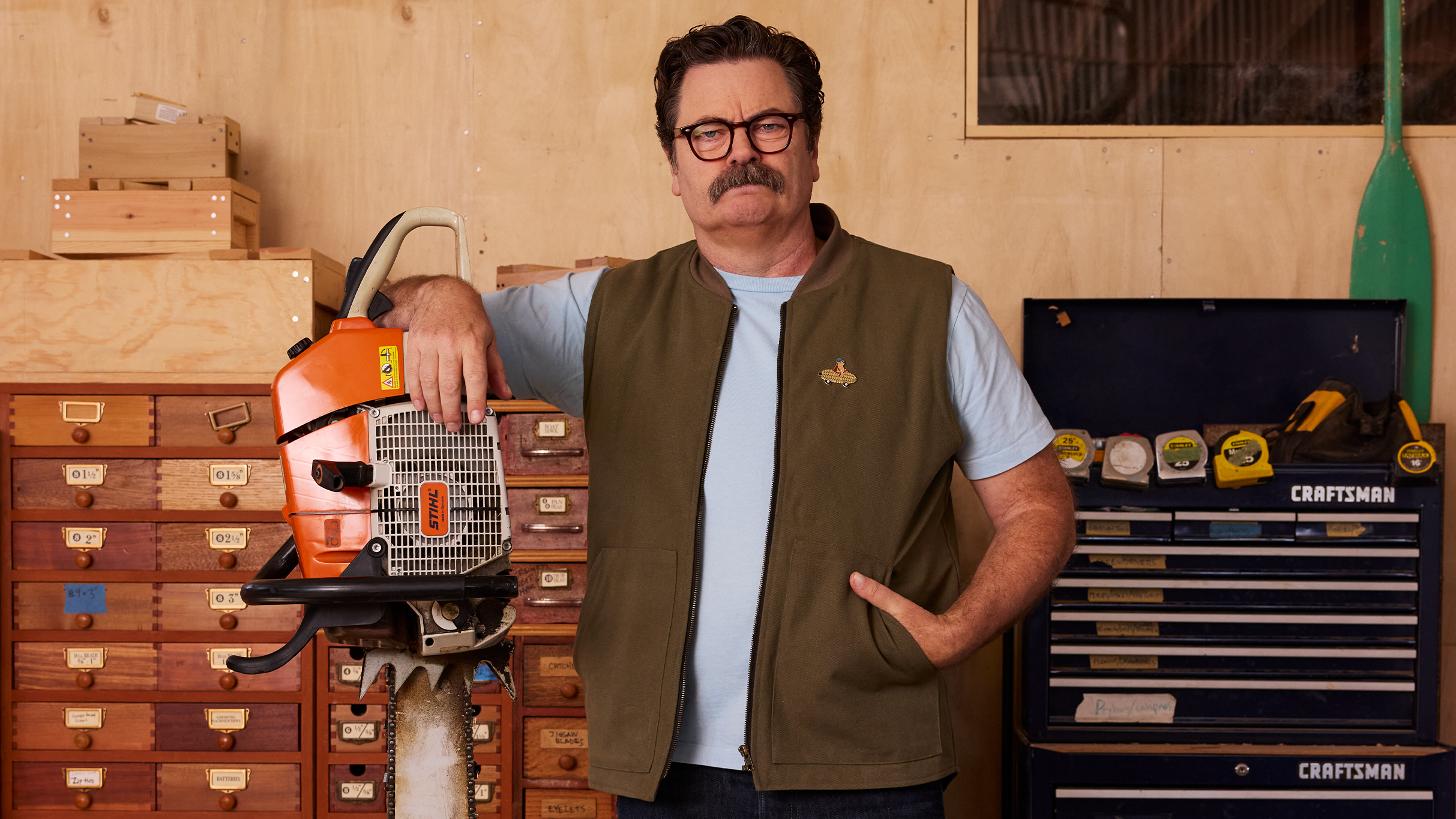
Nick Offerman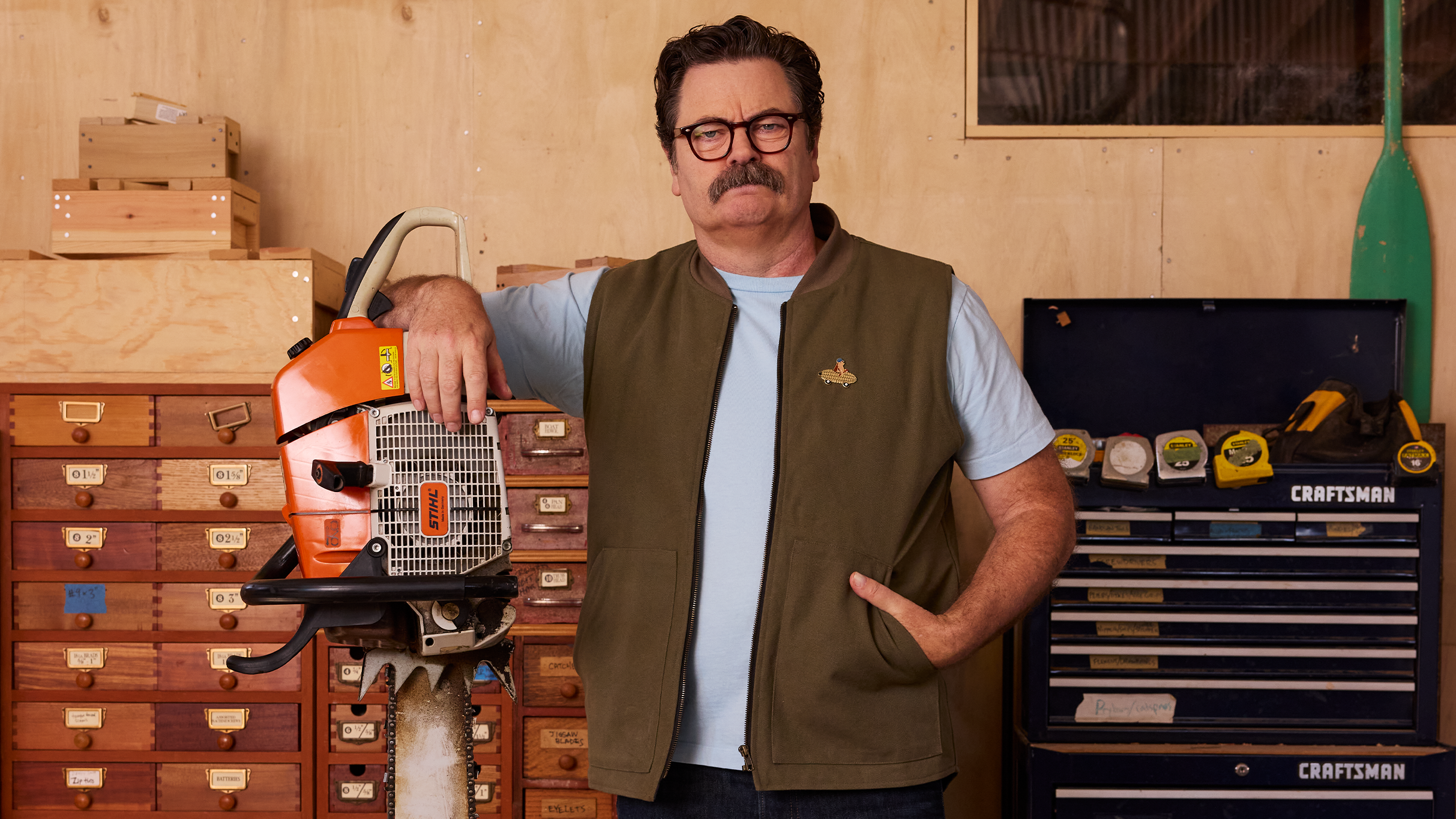
Apr. 19, 2026
Nick Offerman