- Today
- Holidays
- Birthdays
- Reminders
- Cities
- Atlanta
- Austin
- Baltimore
- Berwyn
- Beverly Hills
- Birmingham
- Boston
- Brooklyn
- Buffalo
- Charlotte
- Chicago
- Cincinnati
- Cleveland
- Columbus
- Dallas
- Denver
- Detroit
- Fort Worth
- Houston
- Indianapolis
- Knoxville
- Las Vegas
- Los Angeles
- Louisville
- Madison
- Memphis
- Miami
- Milwaukee
- Minneapolis
- Nashville
- New Orleans
- New York
- Omaha
- Orlando
- Philadelphia
- Phoenix
- Pittsburgh
- Portland
- Raleigh
- Richmond
- Rutherford
- Sacramento
- Salt Lake City
- San Antonio
- San Diego
- San Francisco
- San Jose
- Seattle
- Tampa
- Tucson
- Washington
Tesla's Gigafactory Water Use Surges in Austin as New Chip Plant Looms
Rapid growth in water consumption raises concerns about Austin's long-term conservation plans.
Apr. 15, 2026 at 12:28am
Got story updates? Submit your updates here. ›
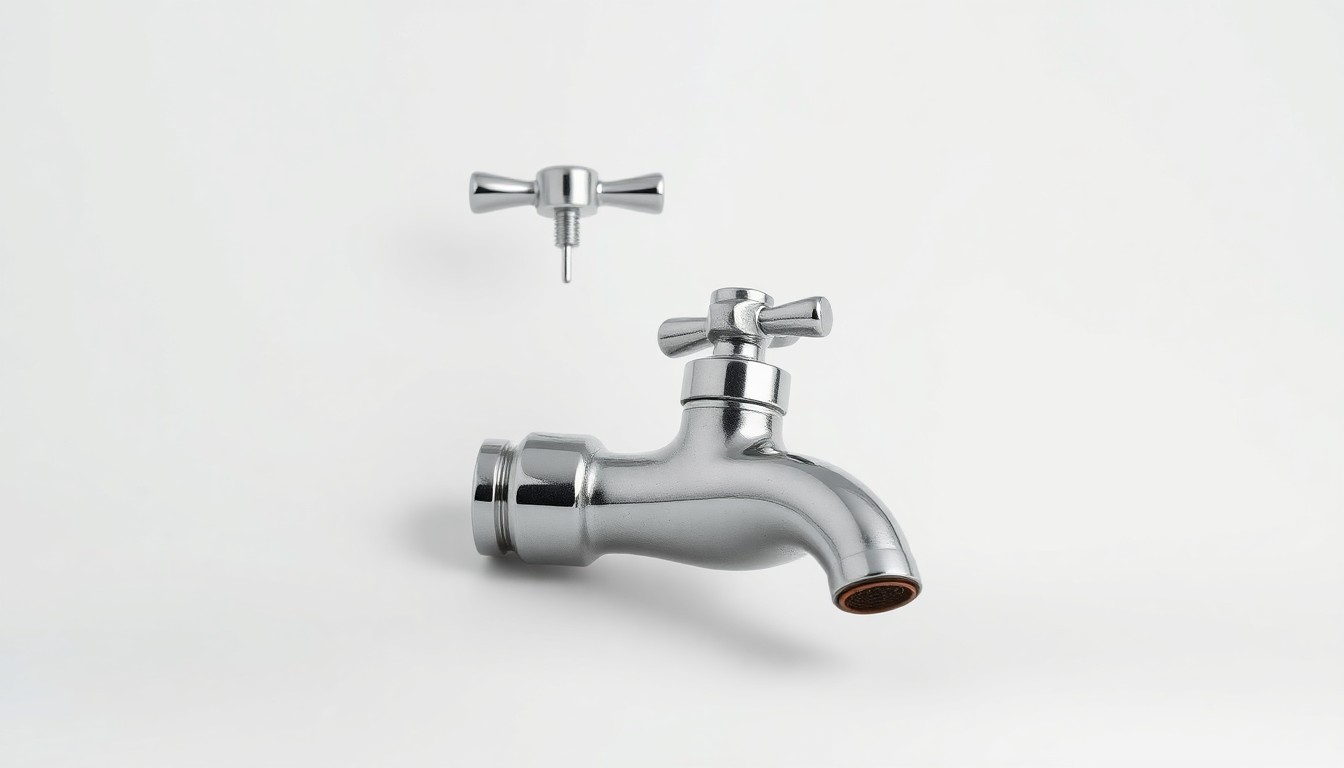 As Tesla's water consumption surges, a gleaming faucet fixture symbolizes the delicate balance between industrial growth and sustainable resource management in Austin.Austin Today
Tesla's Giga Texas factory in Austin has seen its annual treated water use increase by over 200 million gallons in just two years, becoming the city's third-largest water consumer. This surge in demand is raising concerns about whether Austin can fulfill its long-term water conservation goals as Elon Musk plans to build a new $20-25 billion semiconductor fabrication plant nearby, which could further strain the region's persistently drought-stricken water resources.
Why it matters
The rapid growth in water usage by Tesla's Gigafactory and the potential impact of Musk's proposed new chip plant highlight the ongoing tension in Central Texas between supporting economic development and managing limited water supplies, especially as the region faces the challenges of climate change and drought. This issue touches on broader questions about how water conservation efforts are being applied across different sectors and whether large industrial users are operating under the same constraints as residential consumers.
The details
From 2023 to 2025, Tesla's annual treated water use at the Gigafactory rose about 68% to 556 million gallons, making it Austin Water's third-largest customer. This increase occurred even as the city has been urging residents to conserve water. The proposed Terafab semiconductor plant could require several million gallons of water per day, potentially billions annually, further straining the region's water resources. While Tesla was granted a service extension from Austin Water, the city's Water Forward task force is concerned about how to balance economic development with long-term water planning and conservation efforts.
- From 2023 to 2025, Tesla's annual treated water use rose about 68% to 556 million gallons.
- In March 2026, Elon Musk announced plans to build the Terafab semiconductor fabrication plant near the Gigafactory.
The players
Tesla
An American electric vehicle and clean energy company that has become one of Austin Water's largest customers due to the rapid growth in water usage at its Gigafactory in the city.
Elon Musk
The CEO of Tesla who has announced plans to build a new $20-25 billion semiconductor fabrication plant, called Terafab, near the Gigafactory, which could further strain the region's water resources.
Austin Water
The municipal water utility that provides water service to the Gigafactory and is responsible for managing the city's long-term water planning and conservation efforts.
Paul DiFiore
An environmental attorney who sits on Austin's Water Forward task force and has expressed alarm over Tesla's rapid increase in water usage.
Sarah Faust
An environmental attorney who also sits on Austin's Water Forward Task Force and has raised concerns about whether conservation efforts are being applied evenly across different sectors.
What they’re saying
“It's extremely alarming. All of a sudden, they're using more water than the vast majority of people in the city.”
— Paul DiFiore, Environmental Attorney
“From a policy perspective, from a water planning perspective, I hope [Austin Water] is utilizing [its tools] to the greatest degree to ensure that as much recycling and reuse is done and that appropriate limits are put on water used for commercial purposes.”
— Sarah Faust, Environmental Attorney
What’s next
Austin Water has not yet received a formal request for water service from the proposed Terafab semiconductor plant, leaving key details about water sourcing and infrastructure unresolved. City officials and stakeholders will need to engage in collaborative discussions to balance the economic benefits of the new plant with the need to ensure responsible water use and long-term sustainability.
The takeaway
This story highlights the ongoing challenge of managing limited water resources in the face of rapid industrial growth and development in the Austin region. As Tesla's water usage surges and Elon Musk proposes an even more water-intensive semiconductor plant, it raises questions about whether conservation efforts are being applied evenly and whether large commercial users are operating under the same constraints as residential consumers. Balancing economic development with long-term water sustainability will require close collaboration between the city, utilities, and industry to find innovative solutions that support growth while protecting this precious resource.
Austin top stories

Austin events

Apr. 15, 2026
Brad Williams
Apr. 15, 2026
Mamma Mia! (Touring)
Apr. 15, 2026
Dear Evan Hansen (Touring)