- Today
- Holidays
- Birthdays
- Reminders
- Cities
- Atlanta
- Austin
- Baltimore
- Berwyn
- Beverly Hills
- Birmingham
- Boston
- Brooklyn
- Buffalo
- Charlotte
- Chicago
- Cincinnati
- Cleveland
- Columbus
- Dallas
- Denver
- Detroit
- Fort Worth
- Houston
- Indianapolis
- Knoxville
- Las Vegas
- Los Angeles
- Louisville
- Madison
- Memphis
- Miami
- Milwaukee
- Minneapolis
- Nashville
- New Orleans
- New York
- Omaha
- Orlando
- Philadelphia
- Phoenix
- Pittsburgh
- Portland
- Raleigh
- Richmond
- Rutherford
- Sacramento
- Salt Lake City
- San Antonio
- San Diego
- San Francisco
- San Jose
- Seattle
- Tampa
- Tucson
- Washington
Charles Barkley Calls Out Stephen A. Smith Over LeBron James Memphis Criticism
Barkley says 'every loser in the world wants to be racist' in response to media figures making LeBron's comments about Memphis a racial issue.
Apr. 15, 2026 at 8:08pm
Got story updates? Submit your updates here. ›
 The heated debate over LeBron James's comments about Memphis reflects the ongoing tensions around how race and racism are discussed in the world of professional sports.Memphis Today
NBA legend Charles Barkley criticized ESPN personality Stephen A. Smith and other media figures for turning Lakers star LeBron James's comments about not wanting to play in Memphis into a racial controversy. Barkley said 'every loser in the world wants to be racist' and accused Smith and others of unnecessarily injecting race into the discussion when James was simply voicing his dislike for having to travel to Memphis for NBA games.
Why it matters
This incident highlights the ongoing debate around how race and racism are discussed in sports media, with Barkley arguing that some commentators are too quick to make everything about race even when the original comments did not have racial undertones. It also raises questions about how NBA players' critiques of certain cities or travel schedules are received and interpreted.
The details
In a video shared on social media, LeBron James expressed his frustration with having to travel to Memphis to play the Grizzlies, saying at 41 years old he doesn't want to do 'that (expletive)' on a 'random (expletive) Thursday.' While James noted others in the NBA have made similar comments about not liking to play in certain cities, ESPN's Stephen A. Smith accused him of being insensitive given Memphis's large Black population. However, Charles Barkley pushed back, saying James's comments were not about race and that 'every loser in the world wants to be racist.' Barkley criticized Smith and other media figures like Jason Whitlock, Cam Newton, and Ryan Clark for turning the issue into a racial controversy.
- LeBron James made the comments in a video shared on social media on an unspecified recent date.
- Charles Barkley made his comments criticizing the media reaction on the latest episode of The Steam Room podcast, which was released on April 15, 2026.
The players
LeBron James
A 41-year-old forward for the Los Angeles Lakers who sparked controversy with his comments about not wanting to travel to Memphis to play the Grizzlies.
Charles Barkley
A former NBA star and current sports media personality who criticized other media figures for turning LeBron James's comments into a racial issue.
Stephen A. Smith
An ESPN personality who accused LeBron James of being insensitive with his comments about Memphis.
What they’re saying
“'LeBron said he didn't like Memphis or Milwaukee. And for some reason, everybody went crazy on the Memphis part because then they turned it into race, which is the best way to get idiots and fools talking about anything.'”
— Charles Barkley, Former NBA Star
“'Every loser in the world wants to be racist. And Stephen A. jumped in, Jason Whitlock jumped in, Cam Newton jumped in, Ryan Clark jumped in, and Matt Barnes dropped in. Oh, these are all brothers. Yo, man. What the f*ck are you all doing, man? LeBron don't like Memphis. Okay!'”
— Charles Barkley, Former NBA Star
“'LeBron said something about Memphis and the world took over, they made it about race, which is what anybody does when they want to stir up controversy. Y'all are successful! Stephen A., you're one of the most successful people we have in television. Come on, man. Y'all got to do better, man.'”
— Charles Barkley, Former NBA Star
The takeaway
This incident highlights the ongoing tensions around how race and racism are discussed in sports media, with Barkley arguing that some commentators are too quick to make everything about race even when the original comments did not have racial undertones. It also raises questions about how NBA players' critiques of certain cities or travel schedules are received and interpreted, and whether there is an overreaction or unnecessary racialization of such comments.
Memphis top stories


Memphis events

Apr. 15, 2026
Memphis Redbirds vs. Gwinnett Stripers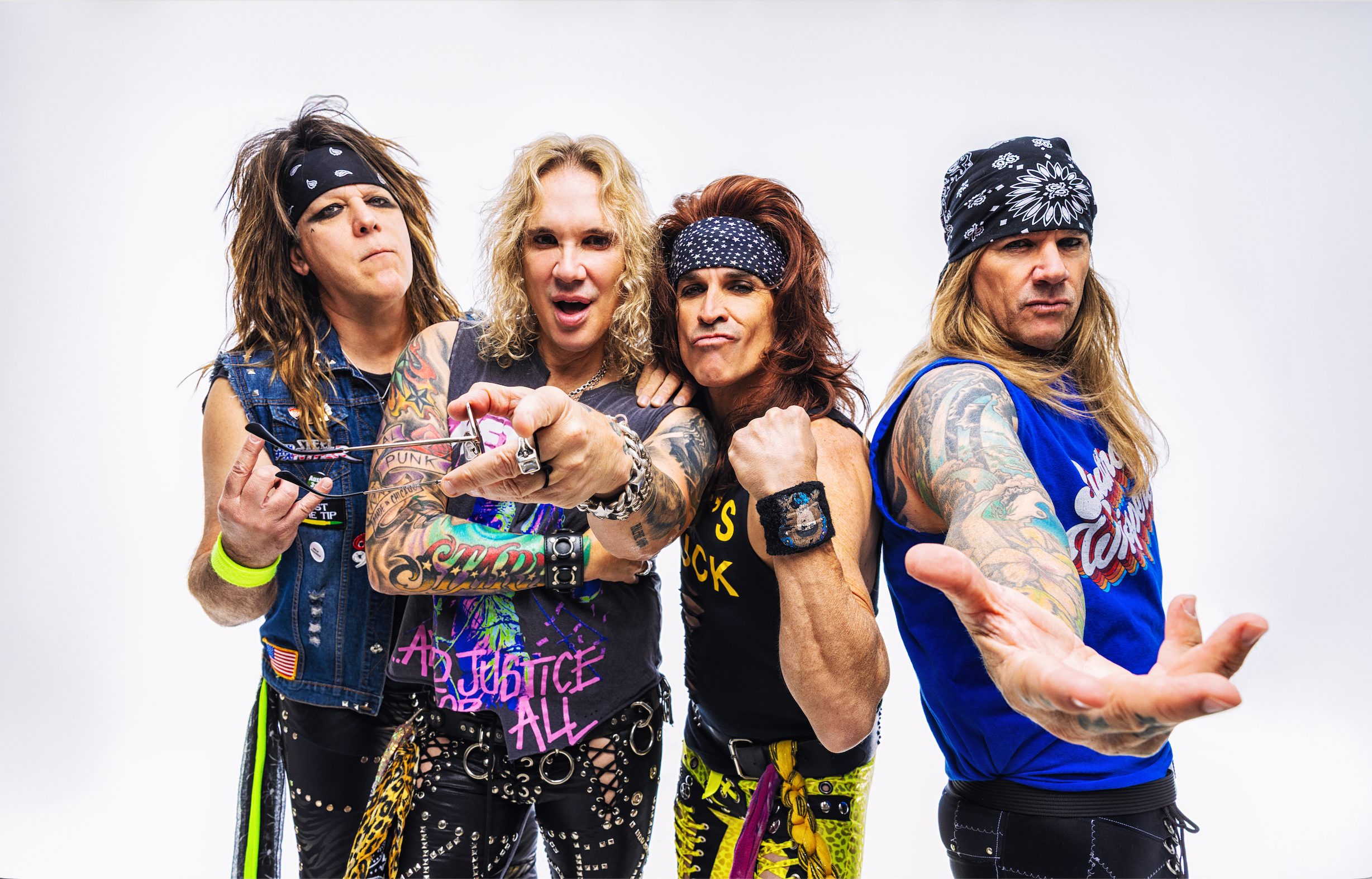
Apr. 15, 2026
Steel Panther - Twenty Twenty $ex Tour
Apr. 16, 2026
Howard Jones