- Today
- Holidays
- Birthdays
- Reminders
- Cities
- Atlanta
- Austin
- Baltimore
- Berwyn
- Beverly Hills
- Birmingham
- Boston
- Brooklyn
- Buffalo
- Charlotte
- Chicago
- Cincinnati
- Cleveland
- Columbus
- Dallas
- Denver
- Detroit
- Fort Worth
- Houston
- Indianapolis
- Knoxville
- Las Vegas
- Los Angeles
- Louisville
- Madison
- Memphis
- Miami
- Milwaukee
- Minneapolis
- Nashville
- New Orleans
- New York
- Omaha
- Orlando
- Philadelphia
- Phoenix
- Pittsburgh
- Portland
- Raleigh
- Richmond
- Rutherford
- Sacramento
- Salt Lake City
- San Antonio
- San Diego
- San Francisco
- San Jose
- Seattle
- Tampa
- Tucson
- Washington
Fake AI Musicians Dominate Music Charts
Synthetic artists like 'Eddie Dalton' and 'IngaRose' are occupying top spots on iTunes, raising concerns about transparency and fairness in the music industry.
Apr. 17, 2026 at 5:53pm
Got story updates? Submit your updates here. ›
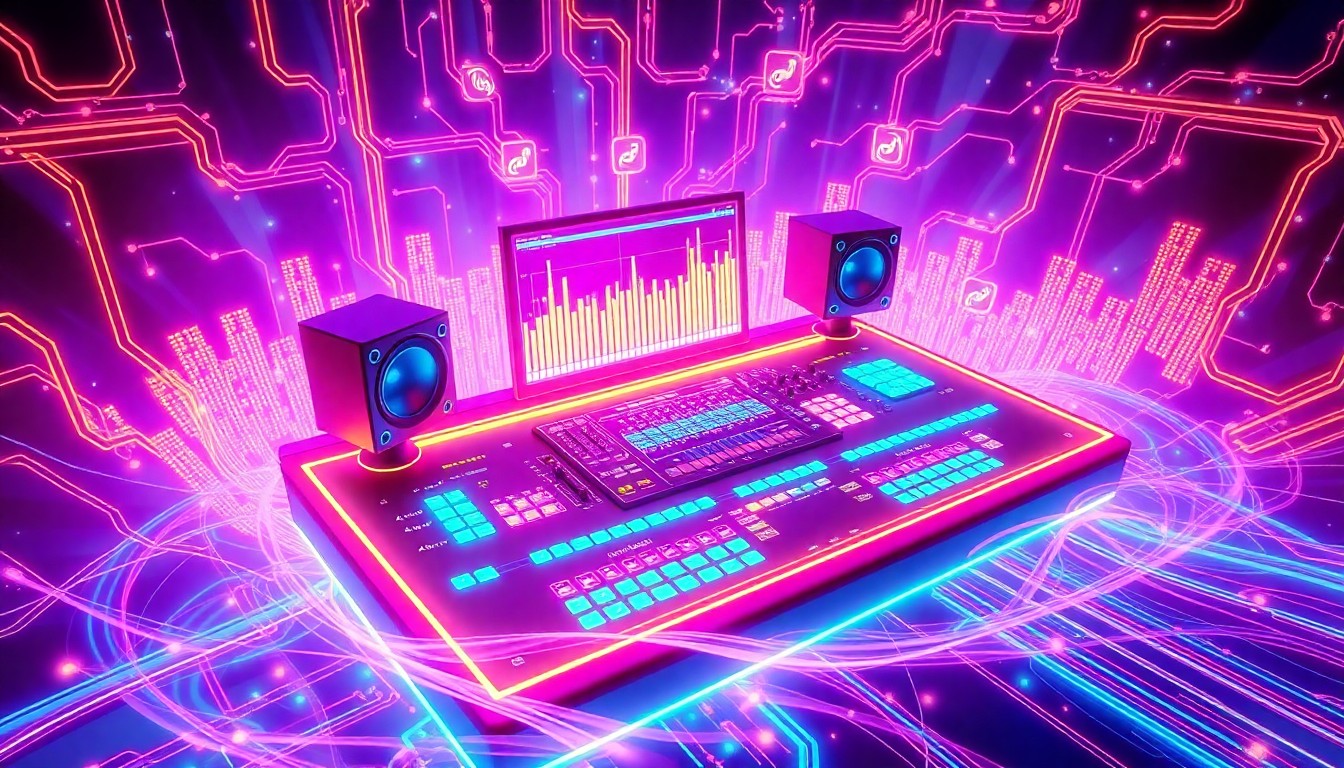 As AI-powered music production tools become more sophisticated, the line between human and synthetic artistry blurs, raising questions about transparency and fairness in the industry.Greenville Today
AI-generated artists are dominating music charts, with non-existent performers like 'Eddie Dalton' and 'IngaRose' reportedly holding multiple top positions on the iTunes singles chart. This is made possible by platforms like Suno that can transform text prompts into fully produced songs, complete with vocals, arrangements, and artwork. While major streaming services are implementing transparency measures to identify artificial content, gaps remain in enforcement and voluntary disclosure.
Why it matters
The rise of AI-generated music raises concerns about the fairness and integrity of the music industry. Every chart position occupied by a synthetic artist potentially displaces a human performer, impacting their ability to earn revenue and gain exposure. Additionally, the lack of transparency around these AI-generated acts can mislead listeners and undermine trust in the music ecosystem.
The details
Dallas Little, based in Greenville, South Carolina, is orchestrating the rise of these fake musicians. His AI-generated blues singer 'Eddie Dalton' reportedly occupies 11 spots on the iTunes top 100 singles chart, while 'IngaRose,' another AI-generated R&B artist, holds the number one position with the song 'Celebrate Me.' The platform behind this phenomenon, Suno, can generate complete songs from simple text descriptions, allowing Little to create and release 'Eddie Dalton' tracks without any human musicians involved.
- In July 2024, the UK's Voluntary Code of Good Practice on Transparency in Music Streaming went live, establishing industry standards for distinguishing AI-generated material.
- Apple Music recently introduced AI transparency tags requiring labels to disclose artificial content in metadata.
The players
Dallas Little
A resident of Greenville, South Carolina, who is orchestrating the rise of AI-generated musicians like 'Eddie Dalton' and 'IngaRose'.
Eddie Dalton
An AI-generated blues singer created by Dallas Little, who reportedly occupies 11 spots on the iTunes top 100 singles chart.
IngaRose
Another AI-generated R&B artist, likely connected to Dallas Little's operation, who holds the number one position on the iTunes chart with the song 'Celebrate Me'.
Suno
A platform that can transform text prompts into fully produced songs, complete with vocals, arrangements, and artwork, enabling the creation of AI-generated music.
What they’re saying
“Human written lyrics, Real stories. Stems & arrangement refined using Suno”
— IngaRose
What’s next
Major streaming services are continuing to implement AI transparency measures, such as the introduction of metadata tags, to help listeners identify artificial content. However, enforcement and voluntary disclosure remain ongoing challenges.
The takeaway
The rise of AI-generated music raises significant concerns about fairness and integrity in the music industry. While transparency measures are being implemented, the ability of synthetic artists to dominate charts and potentially displace human performers highlights the need for robust and enforceable policies to protect the music ecosystem.
Greenville top stories


Greenville events
Apr. 18, 2026
Greenville Swamp Rabbits vs. Jacksonville Icemen
Apr. 19, 2026
Greenville Swamp Rabbits vs. Atlanta Gladiators