- Today
- Holidays
- Birthdays
- Reminders
- Cities
- Atlanta
- Austin
- Baltimore
- Berwyn
- Beverly Hills
- Birmingham
- Boston
- Brooklyn
- Buffalo
- Charlotte
- Chicago
- Cincinnati
- Cleveland
- Columbus
- Dallas
- Denver
- Detroit
- Fort Worth
- Houston
- Indianapolis
- Knoxville
- Las Vegas
- Los Angeles
- Louisville
- Madison
- Memphis
- Miami
- Milwaukee
- Minneapolis
- Nashville
- New Orleans
- New York
- Omaha
- Orlando
- Philadelphia
- Phoenix
- Pittsburgh
- Portland
- Raleigh
- Richmond
- Rutherford
- Sacramento
- Salt Lake City
- San Antonio
- San Diego
- San Francisco
- San Jose
- Seattle
- Tampa
- Tucson
- Washington
AstraZeneca's Tozorakimab Meets Primary Endpoint in COPD Trial
Positive results from Phase III MIRANDA study show potential first-in-class biologic reduced exacerbations in COPD patients
Apr. 20, 2026 at 6:10am
Got story updates? Submit your updates here. ›
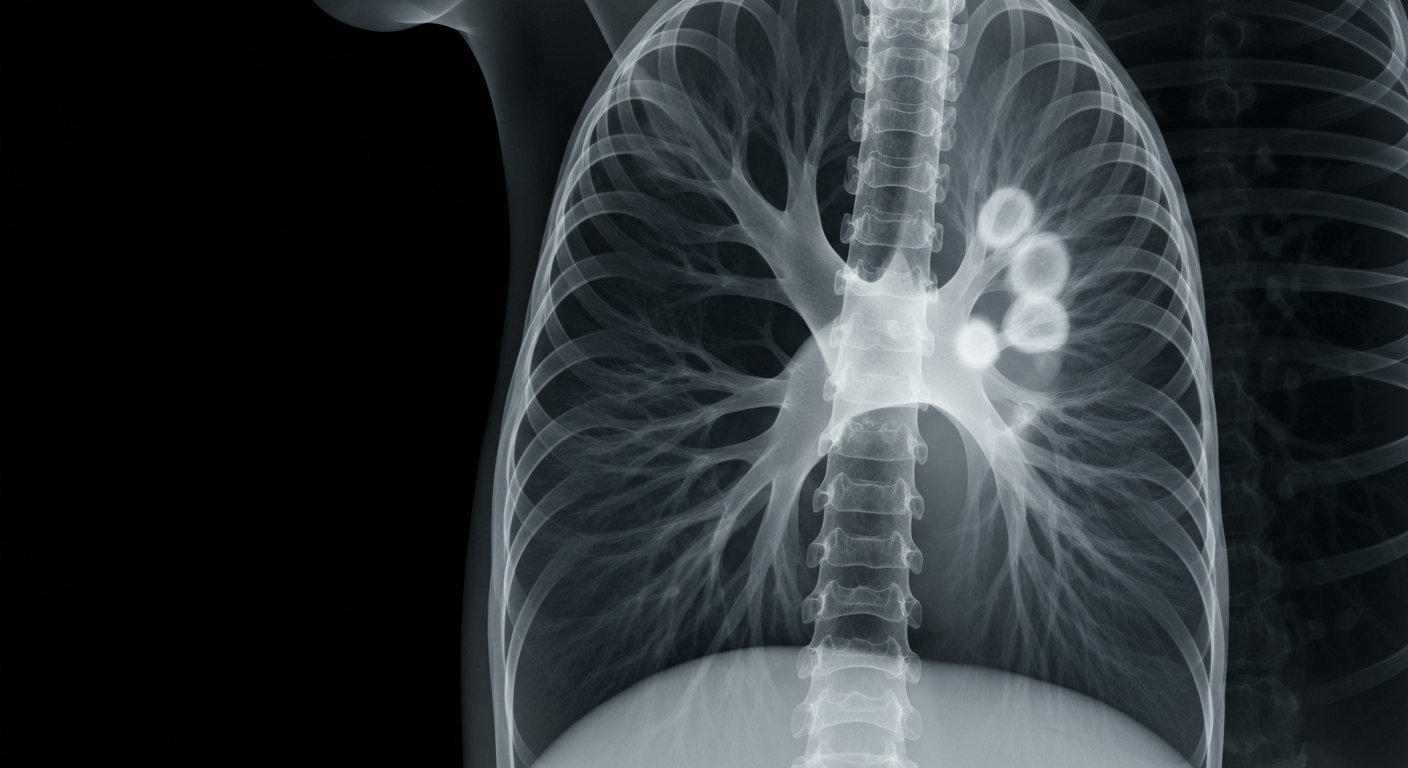 An X-ray view of the internal damage caused by COPD, highlighting the need for new treatment options to reduce exacerbations and improve lung health.Today in Pittsburgh
AstraZeneca announced positive high-level results from the pivotal Phase III MIRANDA trial, which showed that tozorakimab, a potential first-in-class monoclonal antibody targeting interleukin-33 (IL-33), demonstrated a statistically significant and clinically meaningful reduction in the annualized rate of moderate-to-severe COPD exacerbations in the primary population of former smokers and in the overall population, including former and current smokers across all blood eosinophil counts and lung function severity levels.
Why it matters
COPD is the third leading cause of death globally, and up to half of patients still experience exacerbations even when taking standard-of-care inhaled therapies, putting them at risk of serious health consequences. These results add to the growing body of evidence that tozorakimab, with its unique mechanism of action, could provide a much-needed new treatment option for COPD patients.
The details
In the MIRANDA trial, patients received tozorakimab 300mg or placebo on top of standard of care once every two weeks. The trial enrolled patients with COPD still experiencing moderate-to-severe exacerbations while on inhaled standard of care. Tozorakimab was generally well tolerated with a favorable safety profile consistent with previous trials.
- The MIRANDA trial results were announced on April 20, 2026.
- This follows the positive high-level results from the pivotal Phase III OBERON and TITANIA trials studying tozorakimab at a four-week dosing interval, which were announced in March.
The players
Frank Sciurba, MD, FCCP
Professor of Pulmonary and Critical Care Medicine at the University of Pittsburgh and Chief Investigator of the LUNA program.
Sharon Barr
Executive Vice President, BioPharmaceuticals R&D at AstraZeneca.
AstraZeneca
A global, science-led biopharmaceutical company that focuses on the discovery, development, and commercialization of prescription medicines in Oncology, Rare Diseases, and BioPharmaceuticals, including Cardiovascular, Renal & Metabolism, and Respiratory & Immunology.
Tozorakimab
A potential first-in-class monoclonal antibody targeting interleukin-33 (IL-33) that uniquely inhibits the signaling of the reduced and oxidized forms of IL-33, offering the potential to both reduce inflammation and disrupt the cycle of mucus dysfunction that contribute to COPD worsening.
COPD
A progressive respiratory condition characterized by persistent airflow limitation and chronic inflammation of the airways, which can lead to exacerbations that have a profound impact on patients' lives.
What they’re saying
“These results add to the growing body of evidence that indicates tozorakimab delivered meaningful clinical benefits for COPD patients who urgently need new treatment options. Up to half of patients today still experience exacerbations even when taking standard-of-care inhaled therapies, putting them at risk of serious health consequences including hospitalisation and even death.”
— Frank Sciurba, MD, FCCP, Professor of Pulmonary and Critical Care Medicine, University of Pittsburgh, Chief Investigator of LUNA programme
“These data further demonstrate tozorakimab's exciting potential as a first-in-class biologic with a truly differentiated mechanism of action that inhibits the signalling of the reduced and oxidised forms of IL-33 to address underlying drivers of COPD. We look forward to sharing the data with regulators and the scientific community as soon as possible.”
— Sharon Barr, Executive Vice President, BioPharmaceuticals R&D, AstraZeneca
What’s next
The data from the MIRANDA trial will be submitted to regulatory authorities and shared with the scientific community at an upcoming medical meeting.
The takeaway
These positive results for tozorakimab in the MIRANDA trial further validate its potential as a first-in-class biologic treatment option that could address the significant unmet need for new therapies to reduce exacerbations and improve outcomes for COPD patients, even those on standard-of-care inhaled medications.
Pittsburgh top stories



Pittsburgh events

Apr. 20, 2026
Powfu Presents: The Lofi Library Tour
Apr. 20, 2026
Powfu Presents: The Lofi Library Tour
Apr. 22, 2026
Taste of the Draft (presented by GENYOUth)