- Today
- Holidays
- Birthdays
- Reminders
- Cities
- Atlanta
- Austin
- Baltimore
- Berwyn
- Beverly Hills
- Birmingham
- Boston
- Brooklyn
- Buffalo
- Charlotte
- Chicago
- Cincinnati
- Cleveland
- Columbus
- Dallas
- Denver
- Detroit
- Fort Worth
- Houston
- Indianapolis
- Knoxville
- Las Vegas
- Los Angeles
- Louisville
- Madison
- Memphis
- Miami
- Milwaukee
- Minneapolis
- Nashville
- New Orleans
- New York
- Omaha
- Orlando
- Philadelphia
- Phoenix
- Pittsburgh
- Portland
- Raleigh
- Richmond
- Rutherford
- Sacramento
- Salt Lake City
- San Antonio
- San Diego
- San Francisco
- San Jose
- Seattle
- Tampa
- Tucson
- Washington
Pennsylvania No-Tillers See Yields, Soil Improve with Silage Transition
Amish dairy farmers in Lancaster County adopt twin-row silage, alfalfa, and cover crops to boost productivity.
Apr. 18, 2026 at 5:21am
Got story updates? Submit your updates here. ›
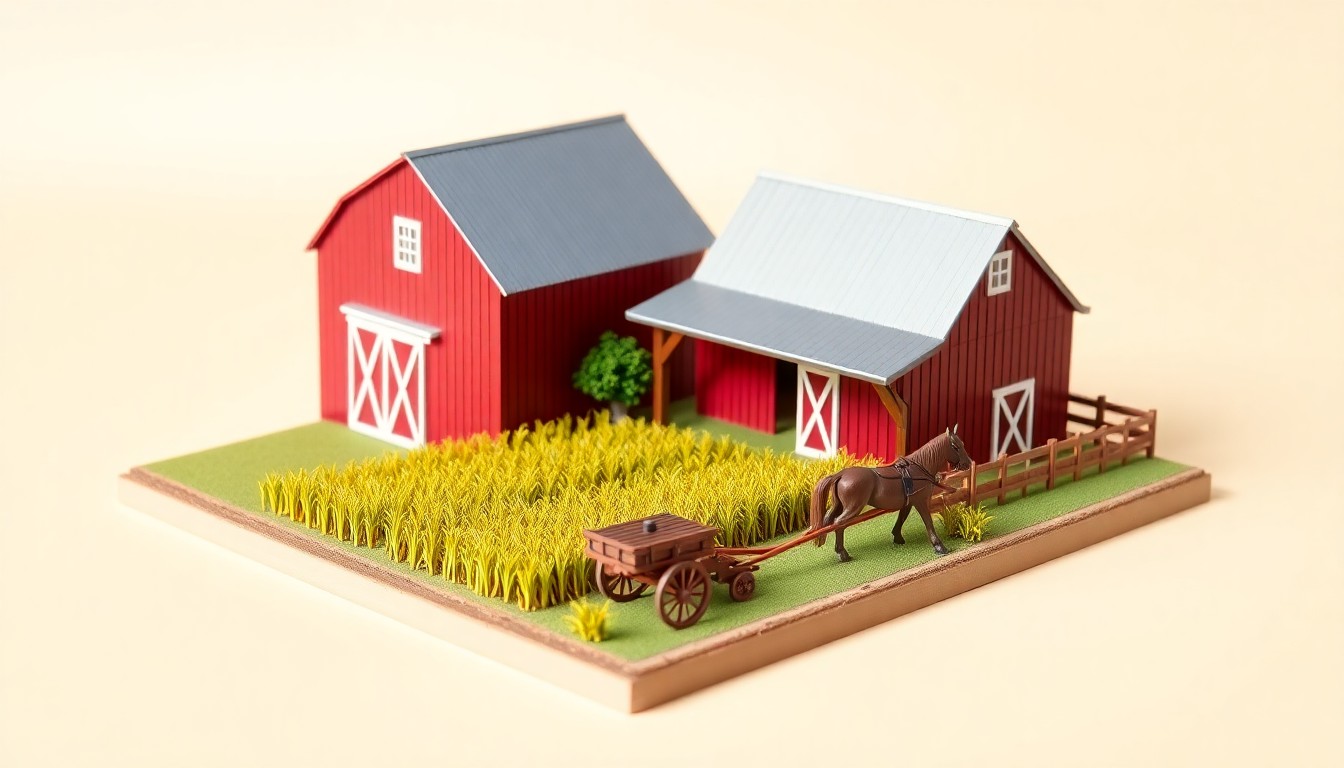 Amish dairy farmers in Lancaster County embrace no-till practices and diversified crops to boost yields and soil health on their small family farms.Lancaster Today
A group of small dairy farmers in Lancaster County, Pennsylvania have seen steady yield increases and soil improvement over a 3-year transition to twin-row silage corn, alfalfa, double-cropped wheat/soybeans, and cover crops on their Amish-owned farms with 50-60 cows each.
Why it matters
As traditional small dairy farms in Lancaster County face economic pressures, adopting no-till practices and diversified crop rotations has helped these Amish farmers improve their yields and soil health, demonstrating how sustainable agriculture can benefit both the environment and the bottom line for family-owned operations.
The details
The Pennsylvania no-tillers have implemented a rotation of twin-row silage corn, alfalfa, double-cropped wheat and soybeans, and cover crops over the past 3 years. This diversified approach has led to steady increases in yields and noticeable improvements in their soil quality, even on the small, 50-60 cow dairy farms that are common in their Amish community.
- The no-till transition began 3 years ago.
- The farmers have implemented the new rotation over the past 3 years.
The players
Lancaster County Amish Dairy Farmers
A group of small dairy farmers in Lancaster County, Pennsylvania who own 50-60 cow operations and use horses for farm power.
The takeaway
This story demonstrates how sustainable no-till practices and diversified crop rotations can help small, family-owned dairy farms improve their productivity and soil health, even in the face of economic challenges facing the traditional dairy industry.
Lancaster top stories



Lancaster events

Apr. 23, 2026
LAUNCH MC&F Thursday Commonwealth Showcases
Apr. 23, 2026
One Night of Queen performed by Gary Mullen & The Works
Apr. 24, 2026
LAUNCH MC&F Friday Commonwealth Showcases