- Today
- Holidays
- Birthdays
- Reminders
- Cities
- Atlanta
- Austin
- Baltimore
- Berwyn
- Beverly Hills
- Birmingham
- Boston
- Brooklyn
- Buffalo
- Charlotte
- Chicago
- Cincinnati
- Cleveland
- Columbus
- Dallas
- Denver
- Detroit
- Fort Worth
- Houston
- Indianapolis
- Knoxville
- Las Vegas
- Los Angeles
- Louisville
- Madison
- Memphis
- Miami
- Milwaukee
- Minneapolis
- Nashville
- New Orleans
- New York
- Omaha
- Orlando
- Philadelphia
- Phoenix
- Pittsburgh
- Portland
- Raleigh
- Richmond
- Rutherford
- Sacramento
- Salt Lake City
- San Antonio
- San Diego
- San Francisco
- San Jose
- Seattle
- Tampa
- Tucson
- Washington
The Late Queen Was a Chatterbox, Giving Painter Fits
Coronation artist Terence Cuneo found the Queen difficult to capture on canvas due to her constant talking.
Apr. 19, 2026 at 6:15am
Got story updates? Submit your updates here. ›
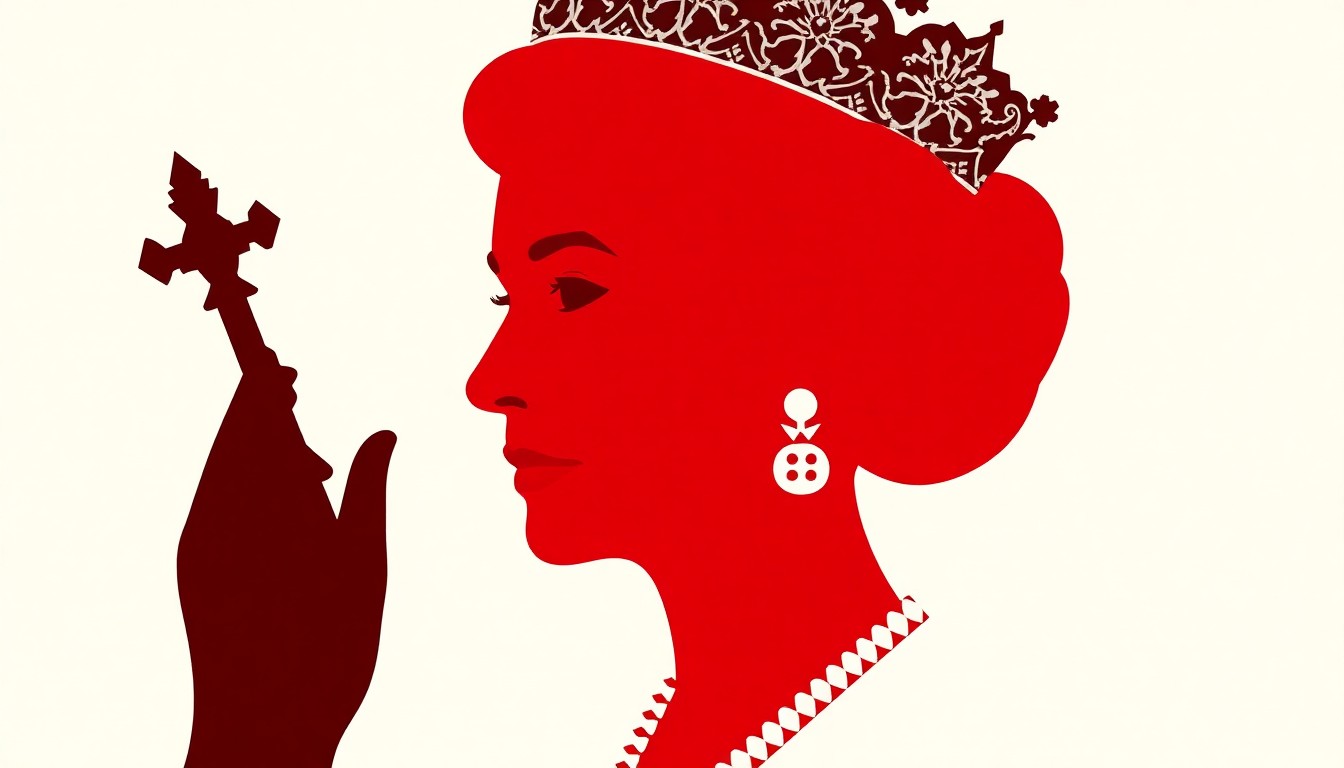 The Queen's constant chatter proved a challenge for the artist tasked with immortalizing her coronation portrait.Lancaster Today
In a special episode of the BBC's Antiques Roadshow, the grandson of the late Queen's official coronation painter, Terence Cuneo, reveals that the Queen was a nightmare to paint because she would not sit still and kept talking during the sittings. Cuneo's huge 11-foot by 8-foot coronation portrait now hangs in Buckingham Palace.
Why it matters
The Queen's coronation was a pivotal moment in British history, and the official portrait commissioned for the occasion provides a unique window into the monarch's personality and the challenges faced by the artist tasked with capturing her likeness. This story offers a rare behind-the-scenes look at the creative process and the Queen's own role in shaping the final work of art.
The details
Terence Cuneo, a prolific English painter known for his railway, horse, and military scenes, was commissioned to do a portrait of the Queen at her coronation at Westminster Abbey in June 1953. Cuneo's grandson, Andrew Viner, reveals that the Queen proved difficult to paint because she would not sit still and kept talking during the sittings. Viner says his grandfather told him, 'The first time he painted the late Queen was for a Lloyds' commission. It was for the laying of the foundation stone for the new Lloyds' building. I did ask him once, 'what was the Queen like as a sitter?' and he said, 'terrible, because she just talked!' Cuneo's huge coronation portrait, measuring 11 feet by 8 feet, now hangs proudly in Buckingham Palace.
- Terence Cuneo was commissioned to paint the Queen's coronation portrait in June 1953.
- Cuneo's coronation portrait was presented to the Queen at Lancaster House by the Lord Lieutenants at a dinner which Cuneo attended.
The players
Terence Cuneo
A prolific English painter known for his railway, horse, and military scenes, who was commissioned to paint the Queen's coronation portrait in 1953.
Queen Elizabeth II
The late Queen of the United Kingdom, who proved difficult to paint due to her constant talking during sittings with Terence Cuneo.
Andrew Viner
The grandson of painter Terence Cuneo, who revealed his grandfather's struggles in capturing the Queen on canvas.
What they’re saying
“The first time he painted the late Queen was for a Lloyds' commission. It was for the laying of the foundation stone for the new Lloyds' building. I did ask him once, 'what was the Queen like as a sitter?' and he said, 'terrible, because she just talked!'”
— Andrew Viner, Grandson of Terence Cuneo
The takeaway
This story provides a unique glimpse into the Queen's personality, revealing that even during formal portrait sittings, she maintained her lively and talkative nature. It also highlights the challenges faced by artists tasked with capturing the likeness of such a prominent public figure, underscoring the skill and patience required to create an official portrait of the monarch.
Lancaster top stories
Lancaster events

Apr. 23, 2026
LAUNCH MC&F Thursday Commonwealth Showcases
Apr. 23, 2026
One Night of Queen performed by Gary Mullen & The Works
Apr. 24, 2026
LAUNCH MC&F Friday Commonwealth Showcases