- Today
- Holidays
- Birthdays
- Reminders
- Cities
- Atlanta
- Austin
- Baltimore
- Berwyn
- Beverly Hills
- Birmingham
- Boston
- Brooklyn
- Buffalo
- Charlotte
- Chicago
- Cincinnati
- Cleveland
- Columbus
- Dallas
- Denver
- Detroit
- Fort Worth
- Houston
- Indianapolis
- Knoxville
- Las Vegas
- Los Angeles
- Louisville
- Madison
- Memphis
- Miami
- Milwaukee
- Minneapolis
- Nashville
- New Orleans
- New York
- Omaha
- Orlando
- Philadelphia
- Phoenix
- Pittsburgh
- Portland
- Raleigh
- Richmond
- Rutherford
- Sacramento
- Salt Lake City
- San Antonio
- San Diego
- San Francisco
- San Jose
- Seattle
- Tampa
- Tucson
- Washington
Ohio Bill Aims to Ban Drag Shows and Restrict Women's Clothing
Proposed 'Indecent Exposure Modernization Act' faces criticism for unconstitutional overreach
Apr. 14, 2026 at 8:33am
Got story updates? Submit your updates here. ›
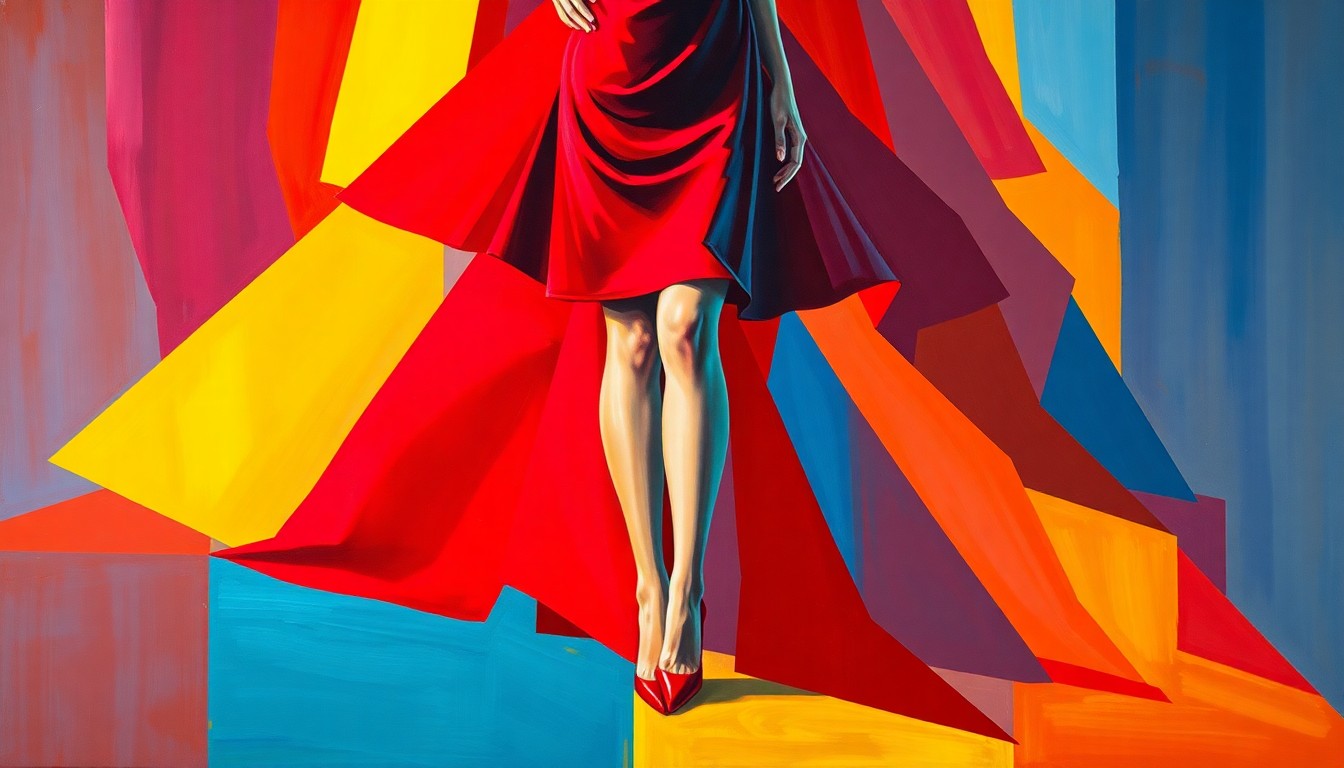 The proposed 'Indecent Exposure Modernization Act' in Ohio aims to criminalize drag performances and restrict women's clothing choices, sparking concerns over free speech and gender expression.Columbus Today
The Ohio General Assembly is considering a bill that would ban drag performances and restrict the types of clothing women can wear in public, drawing criticism from legal experts who argue the proposed law violates constitutional protections for free speech and personal expression.
Why it matters
The bill represents an effort by some Ohio lawmakers to enforce a narrow view of gender norms and restrict forms of artistic and political expression that challenge traditional notions of masculinity and femininity. Legal scholars warn the legislation could unconstitutionally infringe on First Amendment rights.
The details
The 'Indecent Exposure Modernization Act' would prohibit 'drag performances' that 'exhibit a gender identity different from the performer's biological sex' if they are deemed 'harmful to minors.' The bill also expands the definition of public indecency to include women's clothing like sports bras, bikinis, and halter tops, potentially criminalizing common attire.
- The bill recently passed the Ohio House and is currently pending in the state Senate.
The players
Dan Kobil
A professor of constitutional law at Capital University Law School in Columbus, Ohio, who wrote an op-ed criticizing the proposed legislation.
Ohio General Assembly
The state legislature that is considering the 'Indecent Exposure Modernization Act.'
What they’re saying
“Drag performances, like other types of entertainment such as dance, theater, and film, are forms of artistic expression that is squarely protected by the U.S. Constitution.”
— Dan Kobil, Professor of Constitutional Law
“It is a basic precept of constitutional law that the government cannot dictate what viewpoints Americans are allowed to express surrounding gender or almost anything else.”
— Dan Kobil, Professor of Constitutional Law
What’s next
The bill must still pass the Ohio Senate before it can be signed into law by the governor.
The takeaway
This proposed legislation represents an unconstitutional attempt by some Ohio lawmakers to enforce a narrow view of gender norms and restrict forms of artistic and political expression that challenge traditional notions of masculinity and femininity.
Columbus top stories


Columbus events

Apr. 14, 2026
Columbus Blue Jackets vs. Washington Capitals
Apr. 14, 2026
You're a Good Man Charlie Brown
Apr. 14, 2026
Columbus Clippers vs. Iowa Cubs