- Today
- Holidays
- Birthdays
- Reminders
- Cities
- Atlanta
- Austin
- Baltimore
- Berwyn
- Beverly Hills
- Birmingham
- Boston
- Brooklyn
- Buffalo
- Charlotte
- Chicago
- Cincinnati
- Cleveland
- Columbus
- Dallas
- Denver
- Detroit
- Fort Worth
- Houston
- Indianapolis
- Knoxville
- Las Vegas
- Los Angeles
- Louisville
- Madison
- Memphis
- Miami
- Milwaukee
- Minneapolis
- Nashville
- New Orleans
- New York
- Omaha
- Orlando
- Philadelphia
- Phoenix
- Pittsburgh
- Portland
- Raleigh
- Richmond
- Rutherford
- Sacramento
- Salt Lake City
- San Antonio
- San Diego
- San Francisco
- San Jose
- Seattle
- Tampa
- Tucson
- Washington
Metabolic Dysfunction-Associated Steatotic Liver Disease Surges 143% Since 1990
Expert shares prevention tips as cases reach 1.3 billion globally
Apr. 15, 2026 at 3:01pm
Got story updates? Submit your updates here. ›
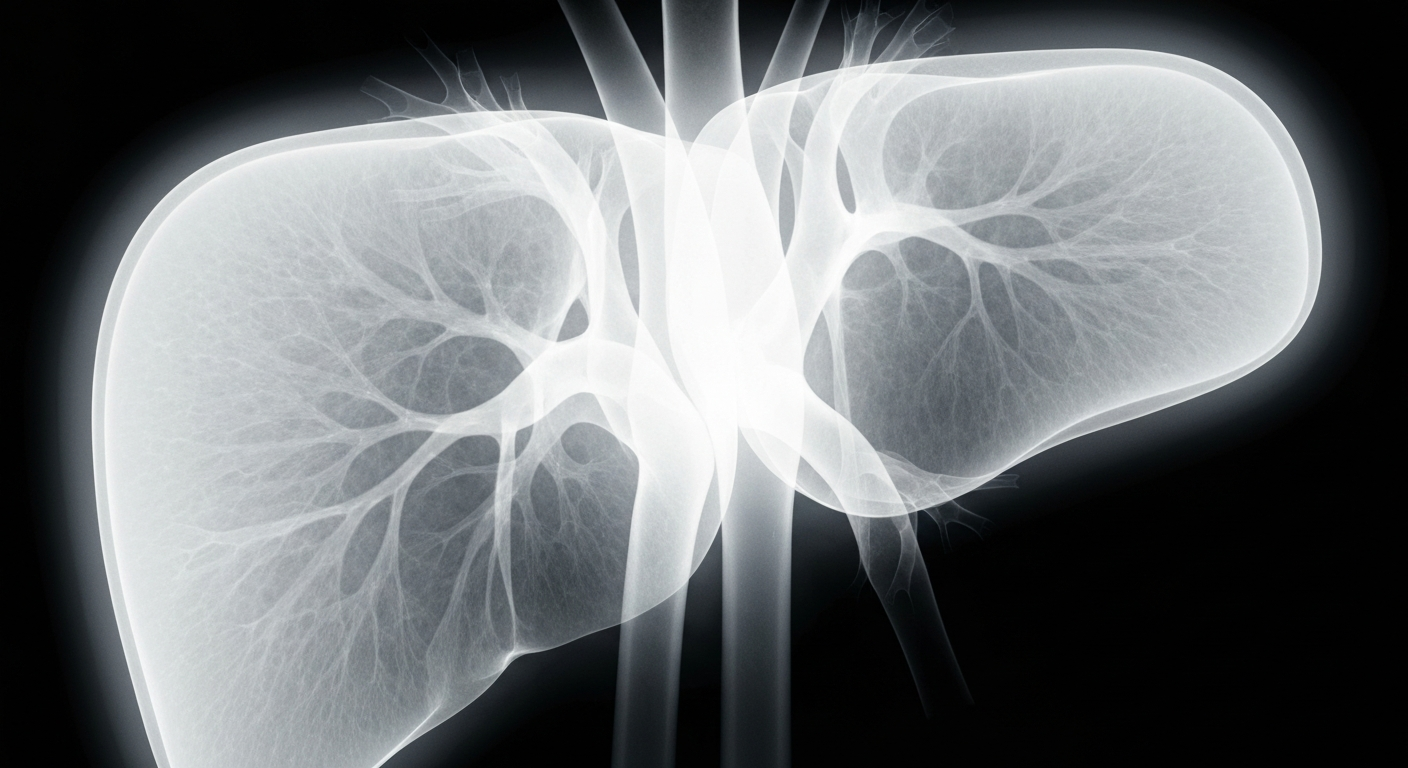 An X-ray view of the human liver reveals the alarming rise of metabolic dysfunction-associated steatotic liver disease, a condition that has surged 143% globally since 1990.Cleveland Today
A new study published in The Lancet Gastroenterology and Hepatology found that the number of cases of Metabolic dysfunction-associated steatotic liver disease (MASLD), previously known as non-alcoholic fatty liver disease (NAFLD), has increased by 143% globally since 1990, now impacting an estimated 1.3 billion people worldwide. Experts attribute the surge to rising obesity, poor diets, and high blood sugar levels, with certain regions like North Africa and the Middle East seeing disproportionately high rates.
Why it matters
The rapid rise in MASLD cases is concerning as the condition often progresses silently without symptoms in its early stages, leading to liver inflammation, damage, and in severe cases, cirrhosis or failure. Experts warn that without awareness and early intervention, the number of MASLD cases could reach 1.8 billion by 2050, posing a major public health challenge globally.
The details
MASLD, previously known as non-alcoholic fatty liver disease (NAFLD), is a condition where fat accumulates in the liver of individuals who consume little or no alcohol. This can lead to inflammation, liver damage, and in extreme cases, cirrhosis or liver failure. MASLD is commonly associated with metabolic conditions like obesity, type 2 diabetes, high cholesterol, and insulin resistance.
- The analysis is based on data from the Global Burden of Diseases (GBD) 2023 study.
- The number of MASLD cases increased by 143% globally between 1990 and 2023.
- Experts predict the number of MASLD cases could reach 1.8 billion by the year 2050.
The players
The Lancet Gastroenterology and Hepatology
A medical journal that published the study on the global surge in MASLD cases.
Dr. Vikas Jindal
A Consultant in the Department of Gastroenterology at the CK Birla Hospital in Delhi, who provided expert tips for preventing and managing MASLD.
What they’re saying
“Even losing a little bit of weight can make a great difference and decrease liver fat and overall liver health.”
— Dr. Vikas Jindal, Consultant, Dept of Gastroenterology, CK Birla Hospital, Delhi
What’s next
Experts recommend that individuals focus on maintaining a healthy weight, eating a balanced diet, staying physically active, controlling blood sugar levels, and limiting alcohol and smoking to help prevent and manage MASLD.
The takeaway
The rapid rise in MASLD cases globally underscores the need for greater public awareness and proactive lifestyle interventions to address the growing burden of this silent, yet potentially serious, liver condition.