- Today
- Holidays
- Birthdays
- Reminders
- Cities
- Atlanta
- Austin
- Baltimore
- Berwyn
- Beverly Hills
- Birmingham
- Boston
- Brooklyn
- Buffalo
- Charlotte
- Chicago
- Cincinnati
- Cleveland
- Columbus
- Dallas
- Denver
- Detroit
- Fort Worth
- Houston
- Indianapolis
- Knoxville
- Las Vegas
- Los Angeles
- Louisville
- Madison
- Memphis
- Miami
- Milwaukee
- Minneapolis
- Nashville
- New Orleans
- New York
- Omaha
- Orlando
- Philadelphia
- Phoenix
- Pittsburgh
- Portland
- Raleigh
- Richmond
- Rutherford
- Sacramento
- Salt Lake City
- San Antonio
- San Diego
- San Francisco
- San Jose
- Seattle
- Tampa
- Tucson
- Washington
Don't Ignore Athlete's Foot
Athlete's foot can lead to serious complications if left untreated, especially for those with diabetes or weakened immune systems.
Apr. 13, 2026 at 2:38pm
Got story updates? Submit your updates here. ›
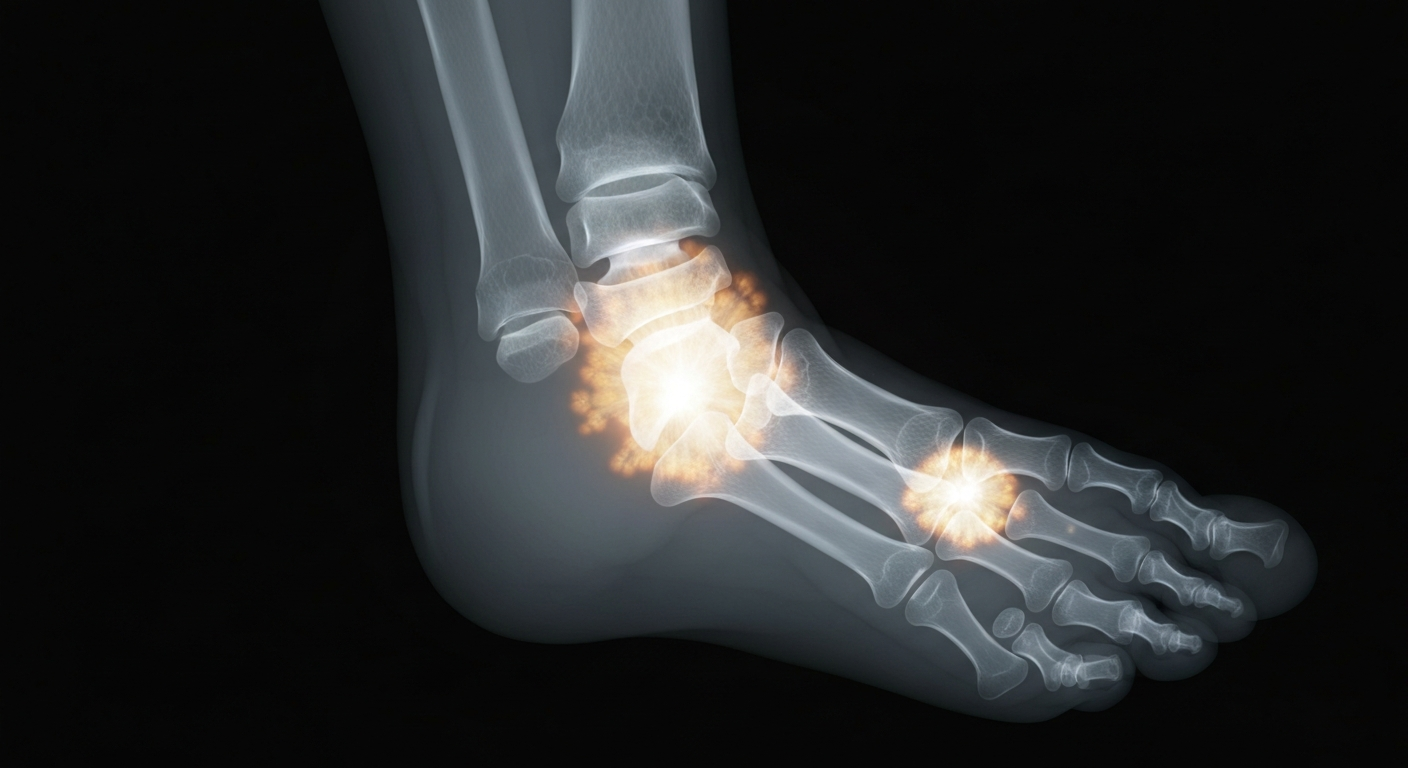 An X-ray view exposes the hidden dangers of an untreated fungal infection that can spread and lead to serious complications.Cleveland Today
Athlete's foot is a common fungal infection that can cause itching, burning, and dry, scaly skin on the feet and toes. While it may seem like a minor issue, it can lead to more serious complications if left untreated, particularly in the elderly, those with diabetes, or people with weakened immune systems. Proper foot hygiene, antifungal treatments, and preventative measures are key to managing athlete's foot and avoiding potential problems like cellulitis.
Why it matters
Athlete's foot is often overlooked or undertreated, but it can serve as a gateway for dangerous infections, especially in high-risk populations. Raising awareness about the importance of addressing athlete's foot promptly can help prevent more serious health issues down the line.
The details
Athlete's foot, also known as tinea pedis, is a fungal infection that thrives in warm, moist environments like sweaty feet and damp socks and shoes. It can present as dry, scaly skin on the soles or between the toes, blisters, or pustules. The infection can spread easily to others and, if left untreated, can spread to other parts of the body. People with diabetes, peripheral vascular disease, or weakened immune systems face a higher risk of serious complications from athlete's foot, such as cellulitis, a potentially limb-threatening bacterial skin infection.
- Athlete's foot becomes more common in warmer, humid climates, especially during the summer months.
The players
Georgeanne Botek, DPM
Head of Podiatry at Cleveland Clinic.
What they’re saying
“Athlete's foot can be a portal of entry for some dangerous infections, particularly in the elderly and people with diabetes. So, it's important to realize that it is a problem.”
— Georgeanne Botek, Head of Podiatry
“Many times, athlete's foot is asymptomatic. But in the elderly or others at higher risk, we can see serious complications that can end up with multiple visits to the doctor, multiple prescription medications and impairment to your normal activity.”
— Georgeanne Botek, Head of Podiatry
What’s next
If athlete's foot doesn't improve with over-the-counter treatment or if you develop signs of a bacterial infection, call your healthcare provider. You might need stronger oral antifungal medications to treat the infection.
The takeaway
Athlete's foot is a common but often overlooked condition that can lead to serious complications, especially for those with underlying health issues. Practicing good foot hygiene, using antifungal treatments, and seeking medical attention if the infection persists or worsens are crucial steps to prevent more serious problems.
Cleveland top stories



Cleveland events

Apr. 14, 2026
Good Kid w/ INOHA
Apr. 14, 2026
PERSONALITY CRISIS AKA CLE PUNK NIGHT
Apr. 15, 2026
Minor Gold