- Today
- Holidays
- Birthdays
- Reminders
- Cities
- Atlanta
- Austin
- Baltimore
- Berwyn
- Beverly Hills
- Birmingham
- Boston
- Brooklyn
- Buffalo
- Charlotte
- Chicago
- Cincinnati
- Cleveland
- Columbus
- Dallas
- Denver
- Detroit
- Fort Worth
- Houston
- Indianapolis
- Knoxville
- Las Vegas
- Los Angeles
- Louisville
- Madison
- Memphis
- Miami
- Milwaukee
- Minneapolis
- Nashville
- New Orleans
- New York
- Omaha
- Orlando
- Philadelphia
- Phoenix
- Pittsburgh
- Portland
- Raleigh
- Richmond
- Rutherford
- Sacramento
- Salt Lake City
- San Antonio
- San Diego
- San Francisco
- San Jose
- Seattle
- Tampa
- Tucson
- Washington
Diverse Farming Practices Boost Yields on Varied Terrain
New York farmer Donn Branton tailors no-till, strip-till, and zone-till techniques to maximize returns on his 1,300 acres of varied soils.
Apr. 18, 2026 at 5:36am
Got story updates? Submit your updates here. ›
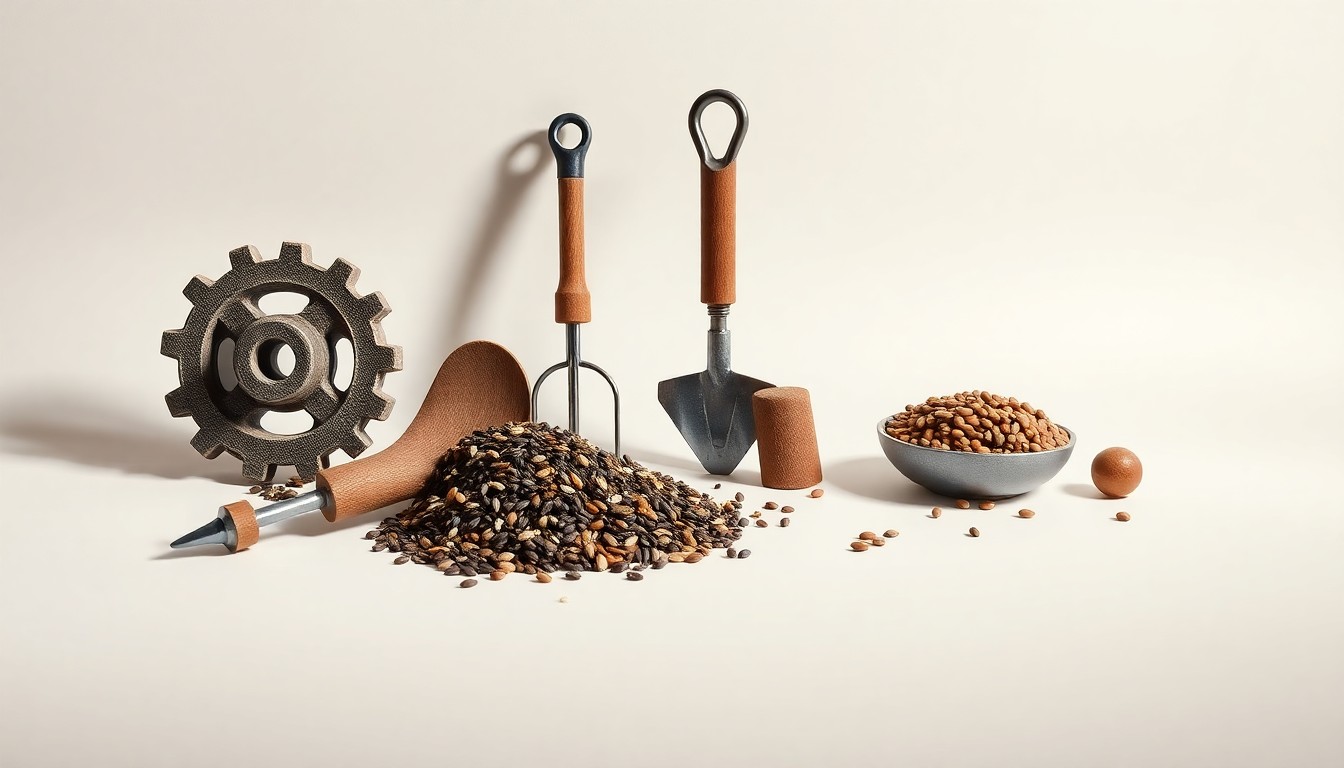 Precision farm tools symbolize the tailored approach Donn Branton takes to managing his diverse 1,300-acre operation.Rochester Today
Donn Branton, a 23-year no-till veteran farming 1,300 acres in upstate New York, has found that a one-size-fits-all approach doesn't work on his diverse terrain. Instead, he utilizes a combination of no-till, strip-till, and zone-till practices to manage the unique soil types, rock formations, and slopes across his fields of processing peas, soybeans, sweet corn, grain corn, dry beans, wheat, oats, and alfalfa.
Why it matters
As more farmers face increasingly variable field conditions, Branton's story highlights the importance of adapting tillage and crop management strategies to the specific needs of each acre rather than relying on a single blanket approach. His willingness to experiment with different techniques demonstrates how precision agriculture can boost yields and profitability on complex, heterogeneous farmland.
The details
Branton's farm, located in the fertile "breadbasket" region near Rochester, New York, features a range of soil types from loamy to sandy to high clay, as well as areas with shallow bedrock that are unsuitable for traditional tillage. To manage this diversity, he employs no-till for his processing peas, wheat, oats and alfalfa, strip-till for his soybeans, grain corn, sweet corn and dry beans, and zone-till for his grain corn, soybeans and oats. Branton says he continuously evaluates the best practices for each field to ensure maximum economic returns, rather than simply sticking to one method across the entire operation.
- Branton has been no-tilling for 23 years.
The players
Donn Branton
A 23-year no-till veteran farming 1,300 acres of diverse terrain in LeRoy, New York, growing processing peas, soybeans, sweet corn, grain corn, dry beans, wheat, oats and alfalfa.
What they’re saying
“I'm trying to figure out the best practices to manage each of our acres in an economical way. I'm not just going to stick with one practice across the whole farm to say I'm doing it. It has to show returns.”
— Donn Branton, Farmer
The takeaway
Branton's diverse approach to tillage and crop management on his heterogeneous farmland demonstrates how precision agriculture techniques can help maximize yields and profitability, even on complex terrain with varied soil types. His willingness to experiment with different methods, rather than relying on a one-size-fits-all solution, serves as a model for other farmers facing similar challenges.
Rochester top stories


Rochester events

Apr. 18, 2026
Rochester Red Wings vs. Buffalo Bisons
Apr. 18, 2026
Stavros Halkias: The Dreamboat Tour
Apr. 18, 2026
SHREK RAVE