- Today
- Holidays
- Birthdays
- Reminders
- Cities
- Atlanta
- Austin
- Baltimore
- Berwyn
- Beverly Hills
- Birmingham
- Boston
- Brooklyn
- Buffalo
- Charlotte
- Chicago
- Cincinnati
- Cleveland
- Columbus
- Dallas
- Denver
- Detroit
- Fort Worth
- Houston
- Indianapolis
- Knoxville
- Las Vegas
- Los Angeles
- Louisville
- Madison
- Memphis
- Miami
- Milwaukee
- Minneapolis
- Nashville
- New Orleans
- New York
- Omaha
- Orlando
- Philadelphia
- Phoenix
- Pittsburgh
- Portland
- Raleigh
- Richmond
- Rutherford
- Sacramento
- Salt Lake City
- San Antonio
- San Diego
- San Francisco
- San Jose
- Seattle
- Tampa
- Tucson
- Washington
Restaurants Grapple with Influencer Culture and Phone Policies
Venues seek to balance digital distraction and human connection at the dining table
Apr. 12, 2026 at 8:06pm
Got story updates? Submit your updates here. ›
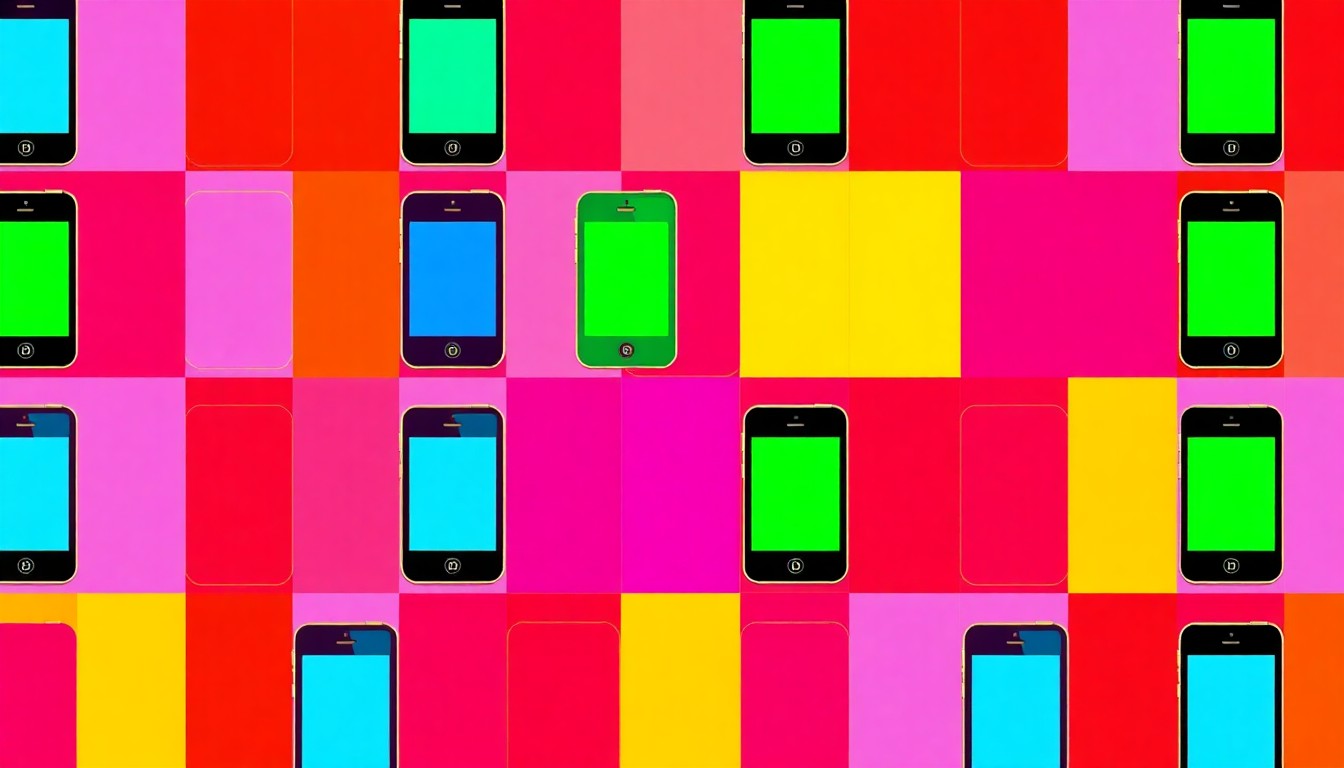 As restaurants seek to reclaim the dining experience from the constant presence of smartphones, a pop art-inspired illustration captures the tension between technology and the art of hospitality.NYC Today
Restaurants are increasingly implementing policies to limit phone use and social media activity in their establishments, arguing that devices distract from the dining experience and undermine the ritual of sharing a meal. While some venues have outright bans on phones, others curate norms around photography, livestreaming, and other disruptive behaviors to preserve a sense of privacy, ambiance, and genuine human connection.
Why it matters
The rise of influencer culture and constant digital documentation has spilled over into dining rooms, with some restaurants feeling that phones and social media are eroding the shared experience of a meal. By implementing phone policies, venues are making a statement about the kind of social environment they want to cultivate - one focused on presence, conversation, and culinary immersion rather than perpetual content creation.
The details
Restaurants are taking a spectrum of approaches to address the "influencer problem." Some, like London's French House, have long-standing bans on phones, music, and TVs to preserve a haven for conversation. Others, like New York's Eulalie, invite guests to tuck away their devices as a nod to old-fashioned values. Meanwhile, venues like The Spy Bar at The OWO in London lean into privacy with playful reminders to keep phones out of sight. The common thread is a belief that certain social spaces deserve to be unfiltered by the camera lens of the outside world.
- In 2015, Berlin's Nobelhart & Schmutzig adopted a photo ban, influenced by club culture's ethos of escaping the external world.
- Gaggan Anand's Bangkok restaurant plans to implement a total phone ban, arguing that removing screens will awaken all senses and reframe the dining journey as a memory-making, not a footprint-making, enterprise.
The players
Jeremy King
A restaurateur who has described the "influencer problem" as a driving force behind phone restrictions in dining establishments.
Gaggan Anand
The chef behind a Bangkok restaurant that plans to implement a total phone ban, arguing it will enhance the sensory dining experience.
What they’re saying
“The internet's culture of speed, gloss, and sometimes inconsideration—think ring lights, live stream interruptions, and photographing strangers without consent—has spilled over from marketing to the dining room.”
— Jeremy King, Restaurateur
“Removing screens awakens all senses and reframes the dining journey as a memory-making, not a footprint-making, enterprise.”
— Gaggan Anand, Chef
What’s next
As more restaurants experiment with phone policies, it will be interesting to see how customers respond and whether certain approaches become more widely adopted within the industry.
The takeaway
The debate over phones in restaurants is not just about manners, but a broader conversation about the kind of social environments we want to cultivate around meals - one focused on presence, conversation, and culinary immersion, or one dominated by digital distraction and perpetual content creation.