- Today
- Holidays
- Birthdays
- Reminders
- Cities
- Atlanta
- Austin
- Baltimore
- Berwyn
- Beverly Hills
- Birmingham
- Boston
- Brooklyn
- Buffalo
- Charlotte
- Chicago
- Cincinnati
- Cleveland
- Columbus
- Dallas
- Denver
- Detroit
- Fort Worth
- Houston
- Indianapolis
- Knoxville
- Las Vegas
- Los Angeles
- Louisville
- Madison
- Memphis
- Miami
- Milwaukee
- Minneapolis
- Nashville
- New Orleans
- New York
- Omaha
- Orlando
- Philadelphia
- Phoenix
- Pittsburgh
- Portland
- Raleigh
- Richmond
- Rutherford
- Sacramento
- Salt Lake City
- San Antonio
- San Diego
- San Francisco
- San Jose
- Seattle
- Tampa
- Tucson
- Washington
Coppola's 'The Godfather' Reveals Parallels Between Mafia and Government
The acclaimed filmmaker draws connections between the power dynamics of criminal organizations and the state
Jan. 31, 2026 at 6:15am
Got story updates? Submit your updates here. ›
In analyzing Francis Ford Coppola's classic films "The Godfather" and "The Godfather Part II", the author argues that the director clearly understands the nature of power and how it is wielded by both criminal enterprises and government. The parallels drawn between the Corleone crime family and the actions of elected officials and government agencies raise questions about the true purpose and legitimacy of state power.
Why it matters
Coppola's portrayal of the Corleone family's criminal activities and their interactions with government figures highlights the troubling reality that those in positions of political power often behave in ways that are no different from organized crime syndicates. This blurring of the lines between the state and the mafia challenges the notion that democratic governments inherently possess moral authority or act in the best interests of the people.
The details
The author examines key scenes from the films, such as when Michael Corleone compares his father Vito's power to that of a senator or president, and the confrontation between Michael and Senator Pat Geary, where the politician openly extorts the Corleone family for a casino license. These moments illustrate Coppola's understanding that both criminal organizations and governments often operate through coercion, corruption, and the threat of violence to maintain their power and influence.
- The Godfather was released in 1972.
- The Godfather Part II was released in 1974.
The players
Francis Ford Coppola
The acclaimed filmmaker who directed The Godfather and The Godfather Part II, which are widely regarded as two of the greatest films ever made.
Vito Corleone
The patriarch of the Corleone crime family, portrayed by Marlon Brando, who wields significant power and influence through his criminal enterprise.
Michael Corleone
Vito's son, played by Al Pacino, who initially distances himself from the family business but eventually becomes the new Don and consolidates power through violence.
Senator Pat Geary
A corrupt U.S. senator who extorts the Corleone family for a casino license, exemplifying the parallels between government power and organized crime.
What they’re saying
“Who's being naive, Kay?”
— Michael Corleone
“Senator, We're both part of the same hypocrisy, but never think it applies to my family.”
— Michael Corleone
What’s next
The author's analysis of the Godfather films and their implications for understanding the nature of government power could be further explored through additional research and discussion, potentially leading to a deeper examination of the ethical and philosophical questions raised by the parallels drawn between the state and organized crime.
The takeaway
Coppola's masterful portrayal of the Corleone family's criminal empire and its interactions with government figures serves as a powerful commentary on the corrupting influence of power, whether wielded by the mafia or the state. The films challenge viewers to question the legitimacy of government authority and its true purpose, raising important concerns about the blurred lines between legal and illegal forms of coercion and violence.
Reno top stories
Reno events
Apr. 9, 2026
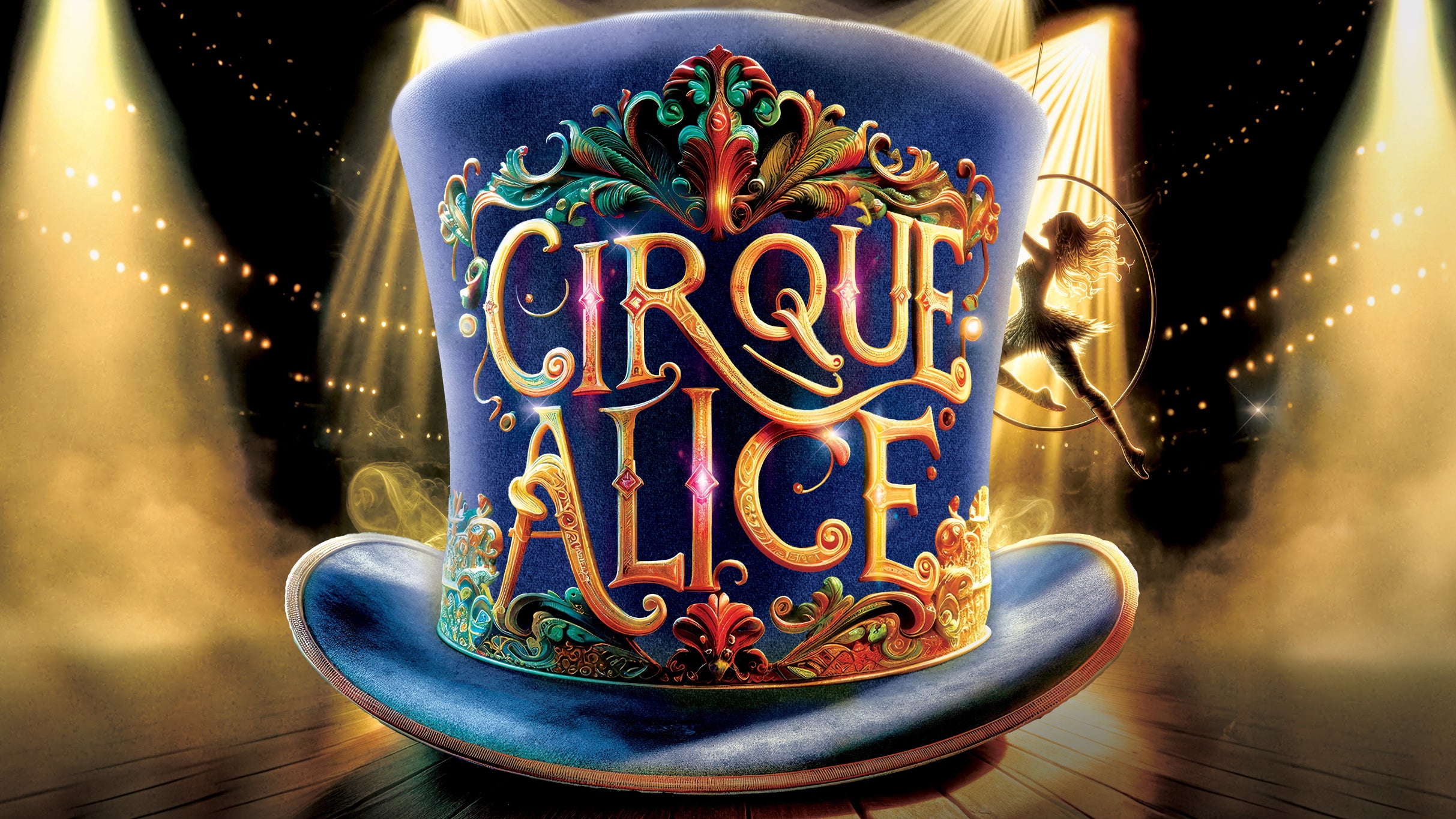
Cirque Alice
Apr. 9, 2026
Autumn! "Kickoff Tour" Live in Reno
Apr. 9, 2026
Laugh Factory