- Today
- Holidays
- Birthdays
- Reminders
- Cities
- Atlanta
- Austin
- Baltimore
- Berwyn
- Beverly Hills
- Birmingham
- Boston
- Brooklyn
- Buffalo
- Charlotte
- Chicago
- Cincinnati
- Cleveland
- Columbus
- Dallas
- Denver
- Detroit
- Fort Worth
- Houston
- Indianapolis
- Knoxville
- Las Vegas
- Los Angeles
- Louisville
- Madison
- Memphis
- Miami
- Milwaukee
- Minneapolis
- Nashville
- New Orleans
- New York
- Omaha
- Orlando
- Philadelphia
- Phoenix
- Pittsburgh
- Portland
- Raleigh
- Richmond
- Rutherford
- Sacramento
- Salt Lake City
- San Antonio
- San Diego
- San Francisco
- San Jose
- Seattle
- Tampa
- Tucson
- Washington
Trump Administration Takes Emergency Action to Prop Up Colorado River Reservoir
Measures aim to prevent Lake Powell from falling too low to generate hydropower
Apr. 18, 2026 at 1:10am
Got story updates? Submit your updates here. ›
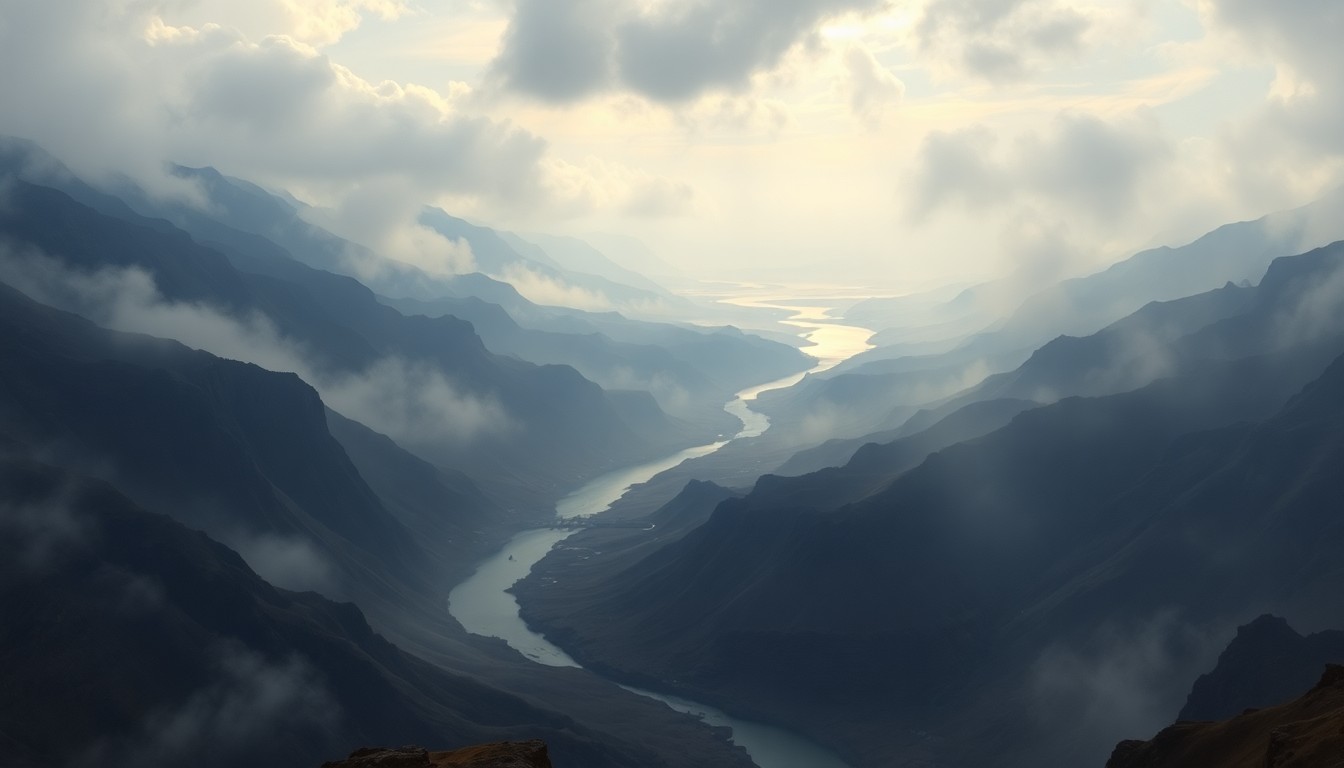 The Colorado River's diminishing water resources have forced federal authorities to take drastic measures, underscoring the need for long-term solutions to manage this vital resource.Las Vegas Today
The Trump administration is taking emergency steps to boost water levels in Lake Powell, the nation's second-largest reservoir, as the Colorado River faces an extreme drought. This will involve releasing water from Flaming Gorge Reservoir upstream and reducing the amount of water released downstream from Lake Powell into Lake Mead, which supplies water to California, Nevada, and Arizona. These actions are intended to prevent Lake Powell from dropping so low that it can no longer generate hydroelectric power, but will also lead to major water cuts for cities and farms across the Southwest.
Why it matters
The Colorado River is a critical water source for about 35 million people and 5 million acres of farmland across seven states. With reservoir levels plummeting due to the ongoing drought, the federal government is taking urgent action to prop up the system and avoid a potential catastrophe, even if it means making difficult water allocation decisions that will impact communities and agriculture.
The details
The Bureau of Reclamation will release between 660,000 and 1 million acre-feet of water from Flaming Gorge Reservoir on the Green River, a major Colorado River tributary, over the next 12 months. At the same time, it will cut the annual water release from Lake Powell by more than 19%, or nearly 1.5 million acre-feet. This is intended to prevent Lake Powell from dropping so low that its dam can no longer generate hydropower, which would severely limit the amount of water reaching California, Arizona, and Nevada.
- The emergency water release from Flaming Gorge Reservoir will happen over the next 12 months.
- The reduction in water released from Lake Powell will begin immediately.
The players
U.S. Bureau of Reclamation
The federal agency responsible for managing water resources in the western United States, including the Colorado River system.
Lake Powell
The second-largest reservoir in the United States, located on the Colorado River along the Utah-Arizona border. It is currently three-quarters empty due to the ongoing drought.
Lake Mead
The largest reservoir in the United States, located near Las Vegas, Nevada. It holds water for California, Nevada, and Arizona.
Doug Burgum
The Interior Secretary who discussed the emergency plan with the seven Colorado River states' governors.
JB Hamby
The Colorado River commissioner for the state of California.
What they’re saying
“It's avoiding catastrophe, and it's basically a one-year solution.”
— Mark Gold, Board member of the Metropolitan Water District of Southern California
“Those actions have held the system together, but conditions remain tough and the outlook is still dry.”
— JB Hamby, California's Colorado River commissioner
“This failure to comply with the bedrock agreement among the seven Colorado River states is itself a serious development that Arizona will assess and will respond to accordingly in time.”
— Arizona Department of Water Resources
What’s next
The seven Colorado River states' negotiators will need to reconvene to develop a long-term plan for water use and conservation across the basin, as the current emergency measures are only a short-term fix.
The takeaway
The Colorado River's water crisis has become so severe that the federal government has had to take drastic emergency action, underscoring the urgent need for the seven states to come together and agree on a comprehensive, long-term plan to manage this critical water resource in the face of climate change and drought.
Las Vegas top stories



Las Vegas events

Apr. 18, 2026
Voss Events: Drag Brunch
Apr. 18, 2026
BattleBots Filming: Pro League Tournament Session 1
Apr. 18, 2026
WrestleMania Saturday