- Today
- Holidays
- Birthdays
- Reminders
- Cities
- Atlanta
- Austin
- Baltimore
- Berwyn
- Beverly Hills
- Birmingham
- Boston
- Brooklyn
- Buffalo
- Charlotte
- Chicago
- Cincinnati
- Cleveland
- Columbus
- Dallas
- Denver
- Detroit
- Fort Worth
- Houston
- Indianapolis
- Knoxville
- Las Vegas
- Los Angeles
- Louisville
- Madison
- Memphis
- Miami
- Milwaukee
- Minneapolis
- Nashville
- New Orleans
- New York
- Omaha
- Orlando
- Philadelphia
- Phoenix
- Pittsburgh
- Portland
- Raleigh
- Richmond
- Rutherford
- Sacramento
- Salt Lake City
- San Antonio
- San Diego
- San Francisco
- San Jose
- Seattle
- Tampa
- Tucson
- Washington
Federal Officials Implement Emergency Measures to Sustain Lake Powell
Water releases from Glen Canyon Dam reduced, upstream inflows boosted to prevent hydropower crisis
Apr. 18, 2026 at 4:10am
Got story updates? Submit your updates here. ›
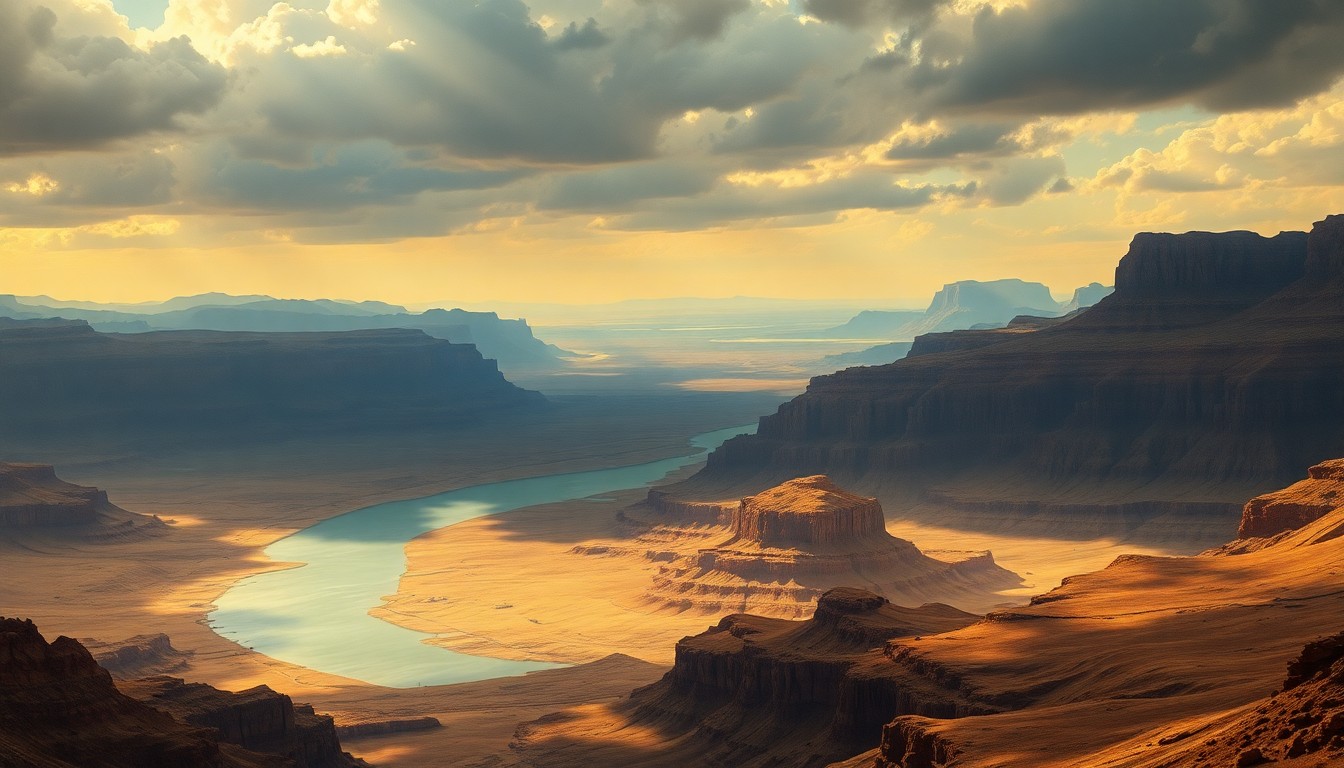 As the Colorado River basin faces an unprecedented water crisis, federal officials race to prevent a catastrophic drop in Lake Powell's water levels.Las Vegas Today
In response to extreme drought conditions on the Colorado River, the Trump administration is taking emergency action to sustain water levels at Lake Powell. This includes reducing water releases from Glen Canyon Dam into Lake Mead and boosting inflows from upstream reservoirs like Flaming Gorge. These measures are intended to prevent Lake Powell from dropping below the minimum level needed to generate hydroelectric power, which would disrupt electricity for over 5 million people across the Southwest.
Why it matters
The Colorado River is a critical water source for seven U.S. states and Mexico, but prolonged drought, climate change, and overuse have pushed the system to the brink. Lake Powell and Lake Mead, the two largest reservoirs, have reached historically low levels, threatening hydropower generation and water supplies for millions. These emergency actions aim to buy time for states to negotiate long-term water use reductions and avoid a more severe crisis.
The details
The emergency plan includes releasing a significant amount of water from Flaming Gorge Reservoir on the Green River, a major Colorado River tributary, to help raise the level of Lake Powell. Simultaneously, the administration will reduce the amount of water flowing downstream from Lake Powell into Lake Mead near Las Vegas, a key reservoir that supplies water to Southern California, Nevada and Arizona. These measures are intended to prevent Lake Powell from dropping below the minimum level needed to turn the turbines at Glen Canyon Dam and generate electricity.
- The emergency actions were announced on April 17, 2026.
- Federal officials say the actions aim to avoid Lake Powell dropping below the power generation level by August 2026.
The players
Trump administration
The current presidential administration, which is implementing the emergency measures to sustain Lake Powell.
U.S. Bureau of Reclamation
The federal agency that manages water resources in the western United States, including the Colorado River system.
Tom Buschatzke
Director of the Arizona Department of Water Resources, who warned of major water supply cuts for cities like Tucson and Phoenix if Lake Powell falls below the power generation level.
Brenda Burman
General Manager of the Central Arizona Project, who also warned of potential major water supply cuts for the region if Lake Powell's levels drop too low.
What they’re saying
“If Lake Powell falls far below the power generation level, its ability to deliver water to Arizona, Nevada and California would become significantly more limited, potentially triggering major cutbacks in water supplies for cities including Tucson, Phoenix and Los Angeles.”
— Tom Buschatzke, Director, Arizona Department of Water Resources
“If Lake Powell falls far below the power generation level, its ability to deliver water to Arizona, Nevada and California would become significantly more limited, potentially triggering major cutbacks in water supplies for cities including Tucson, Phoenix and Los Angeles.”
— Brenda Burman, General Manager, Central Arizona Project
What’s next
Federal officials continue to monitor reservoir levels and inflow forecasts closely, as the seven Colorado River basin states remain deadlocked in negotiations over long-term water use reductions. The emergency actions represent a short-term strategy to delay more drastic measures while diplomatic efforts continue.
The takeaway
The Colorado River crisis has reached a critical point, with historically low water levels in key reservoirs threatening hydropower generation and water supplies for millions across the Southwest. These emergency federal interventions aim to buy time, but long-term solutions will require difficult decisions and compromises from the states that rely on this vital water source.
Las Vegas top stories



Las Vegas events

Apr. 18, 2026
Voss Events: Drag Brunch
Apr. 18, 2026
BattleBots Filming: Pro League Tournament Session 1
Apr. 18, 2026
WrestleMania Saturday