- Today
- Holidays
- Birthdays
- Reminders
- Cities
- Atlanta
- Austin
- Baltimore
- Berwyn
- Beverly Hills
- Birmingham
- Boston
- Brooklyn
- Buffalo
- Charlotte
- Chicago
- Cincinnati
- Cleveland
- Columbus
- Dallas
- Denver
- Detroit
- Fort Worth
- Houston
- Indianapolis
- Knoxville
- Las Vegas
- Los Angeles
- Louisville
- Madison
- Memphis
- Miami
- Milwaukee
- Minneapolis
- Nashville
- New Orleans
- New York
- Omaha
- Orlando
- Philadelphia
- Phoenix
- Pittsburgh
- Portland
- Raleigh
- Richmond
- Rutherford
- Sacramento
- Salt Lake City
- San Antonio
- San Diego
- San Francisco
- San Jose
- Seattle
- Tampa
- Tucson
- Washington
Tech Giants Eye Space for Next-Gen Data Centers
Ambitious plans to launch data hubs into orbit face major technical and environmental hurdles.
Apr. 13, 2026 at 1:07am
Got story updates? Submit your updates here. ›
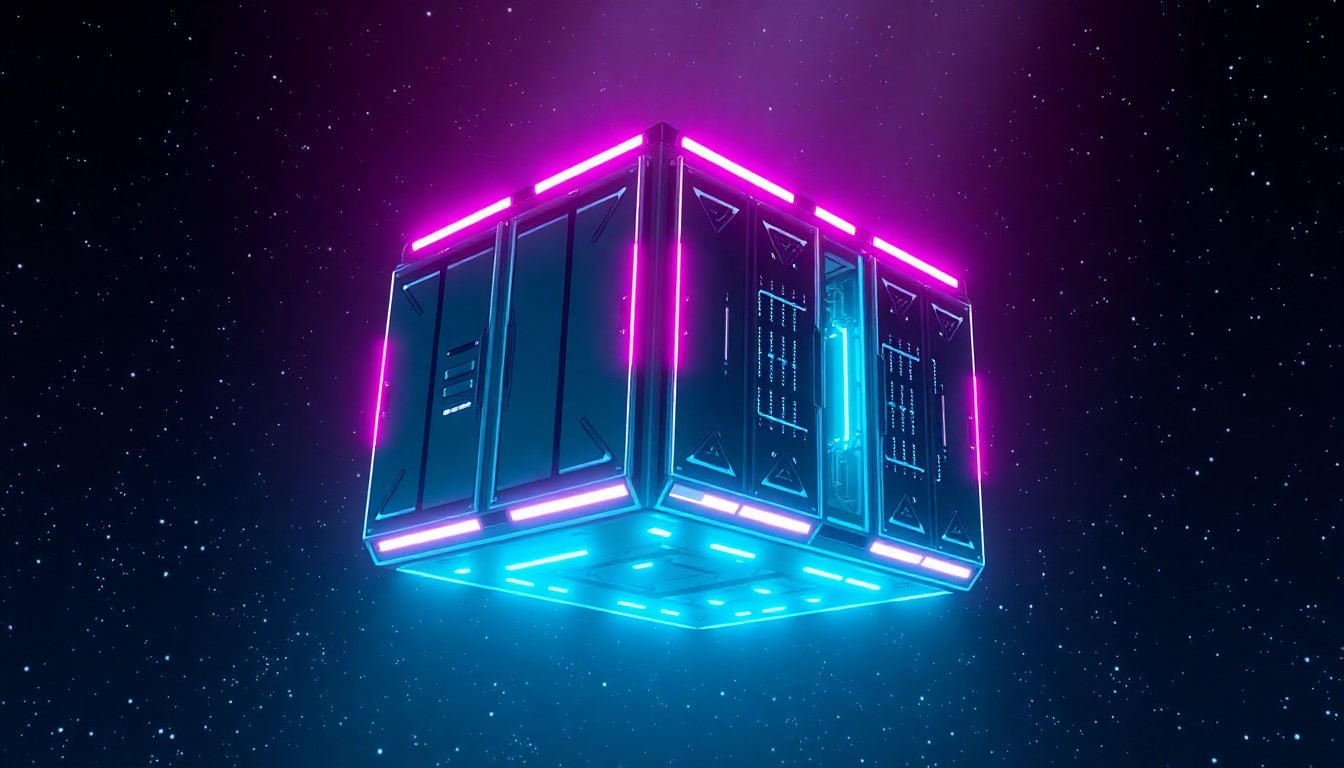 As tech giants push to launch data centers into orbit, the challenges of powering and cooling these facilities in the harsh environment of space raise doubts about the viability of this ambitious vision.Princeton Today
Leading tech companies are exploring the idea of placing data centers in space, touting benefits like free cooling and uninterrupted solar power. However, experts warn that the engineering challenges are 'incredibly stupid' and the environmental impact could be staggering, with concerns over overheating, collision risks, and the fossil fuel-intensive rocket launches required.
Why it matters
Data centers are already a major source of controversy due to their voracious appetite for land, energy, and resources. Moving these facilities to space could exacerbate these issues, raising questions about the true motivations and feasibility of this ambitious plan.
The details
Tech giants like Amazon, Google, and SpaceX are pushing to launch data centers into orbit, claiming space offers advantages like free cooling and renewable energy. But experts argue the technical obstacles are insurmountable, from preventing overheating in extreme temperature swings to the complexity of constructing and launching massive facilities. There are also concerns that adding so much hardware to an already crowded orbital environment could accelerate the Kessler syndrome, rendering low Earth orbit unusable.
- In the next decade, tech leaders predict space-based data centers will become the norm.
- Starcloud, a prominent startup, plans to launch a 5-gigawatt facility - 10% of all data center energy consumption on Earth.
The players
Jeff Bezos
The founder of Amazon and Blue Origin, a space technology company working on data center projects in orbit.
Elon Musk
The CEO of SpaceX, another company exploring the idea of launching data centers into space.
Sundar Pichai
The CEO of Google, who has predicted that space-based data centers will become the norm within a decade.
Matthew Buckley
A physicist at Rutgers University who has criticized the idea of space-based data centers as 'incredibly stupid'.
Philip Johnston
The CEO of Starcloud, a startup planning to launch a massive 5-gigawatt data center facility in space.
What they’re saying
“If it's too hard to build and power data centers on land, that's an indictment of our ability to deploy infrastructure here.”
— Jesse Jenkins, Princeton University
“Space isn't uniformly cold—objects in orbit face extreme temperature swings, from scorching heat in sunlight to freezing cold in shadow.”
— Matthew Buckley, Physicist, Rutgers University
“Communication is another hurdle. Even Starlink's satellites, designed for broadband, are far slower than fiber optic connections on Earth.”
— Alan George, University of Pittsburgh
What’s next
Experts will continue to closely monitor the progress and feasibility of these space-based data center projects, as well as the potential environmental and technical challenges they pose.
The takeaway
While the idea of launching data centers into space may seem visionary, the significant technical, logistical, and environmental hurdles raise serious doubts about the practicality and necessity of this ambitious plan. Focusing on improving the sustainability and efficiency of terrestrial data centers may be a more prudent approach.