- Today
- Holidays
- Birthdays
- Reminders
- Cities
- Atlanta
- Austin
- Baltimore
- Berwyn
- Beverly Hills
- Birmingham
- Boston
- Brooklyn
- Buffalo
- Charlotte
- Chicago
- Cincinnati
- Cleveland
- Columbus
- Dallas
- Denver
- Detroit
- Fort Worth
- Houston
- Indianapolis
- Knoxville
- Las Vegas
- Los Angeles
- Louisville
- Madison
- Memphis
- Miami
- Milwaukee
- Minneapolis
- Nashville
- New Orleans
- New York
- Omaha
- Orlando
- Philadelphia
- Phoenix
- Pittsburgh
- Portland
- Raleigh
- Richmond
- Rutherford
- Sacramento
- Salt Lake City
- San Antonio
- San Diego
- San Francisco
- San Jose
- Seattle
- Tampa
- Tucson
- Washington
Wilmington-Raleigh Rail Line Moves Closer to Reality
Federal Railroad Administration gives initial approval to $810 million project that could take 7-12 years to complete.
Apr. 18, 2026 at 6:04pm
Got story updates? Submit your updates here. ›
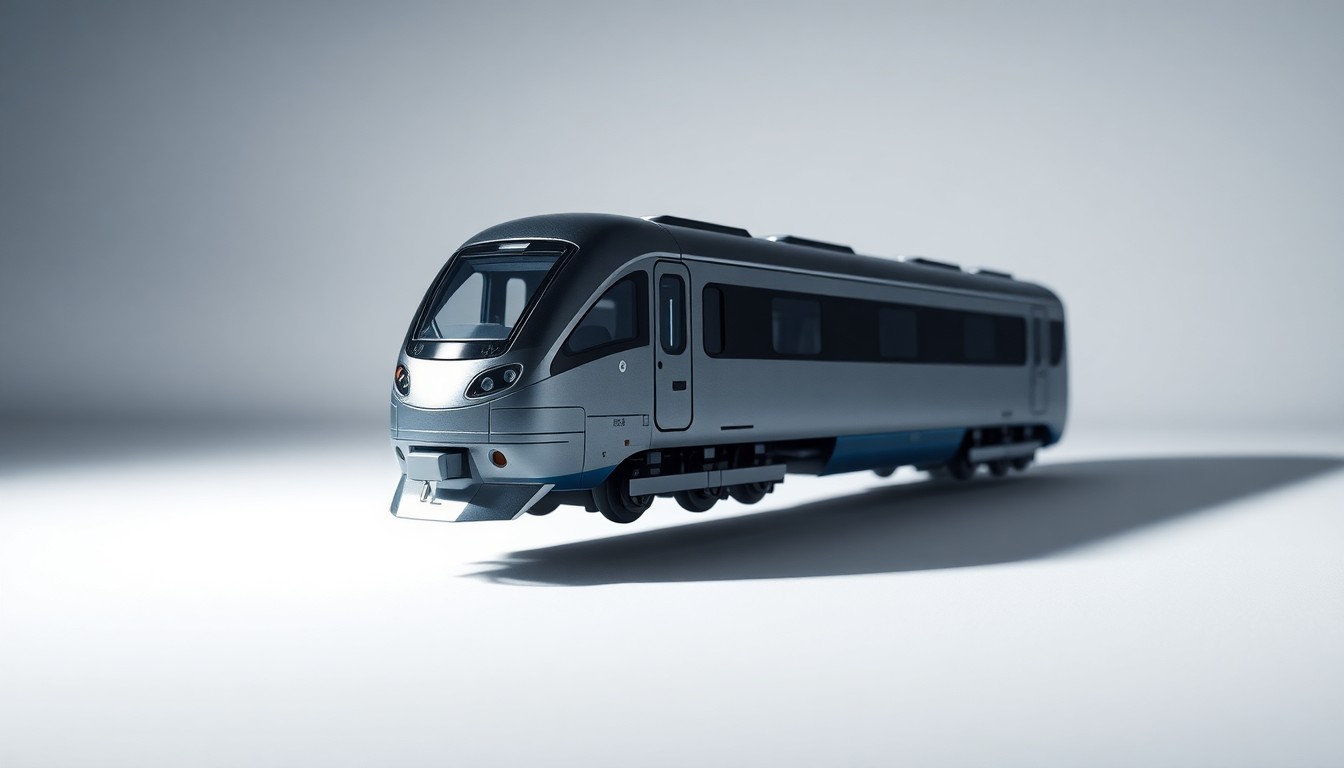 A conceptual studio still life captures the sleek, modern design of the proposed Wilmington-Raleigh rail line, symbolizing the project's potential to transform transportation in North Carolina.Wilmington Today
A proposed rail line connecting Wilmington and Raleigh in North Carolina has taken a significant step forward after receiving initial approval from the Federal Railroad Administration. The $810 million project, which has been discussed for decades, is now entering a development process that is expected to take 7 to 12 years to complete.
Why it matters
The rail line would provide an important transportation link between the two cities, potentially reducing travel times and increasing productivity for passengers. With ridership on North Carolina's rail services up 59% compared to pre-pandemic levels, the project could help meet growing demand for efficient, car-free transportation options.
The details
The project will be funded primarily by the federal government, which is expected to cover 80% of the costs. The remaining 20% will need to come from other sources, such as state or local funding, or private investment. NCDOT has completed the first step of work with the Federal Railroad Administration to establish the scope, schedule, and budget for the project, and is working to push the timeline forward 'as fast as possible'.
- The Federal Railroad Administration has given initial approval to the rail corridor project.
- The project is expected to take 7 to 12 years to complete, according to the North Carolina Department of Transportation's Rail Division Director.
The players
North Carolina Department of Transportation
The state agency responsible for transportation infrastructure and services in North Carolina, including the proposed Wilmington-Raleigh rail line.
Federal Railroad Administration
The federal agency that has given initial approval to the Wilmington-Raleigh rail corridor project.
Jason Orthner
The director of the North Carolina Department of Transportation's Rail Division, who is overseeing the development of the Wilmington-Raleigh rail line project.
What they’re saying
“'What's exciting right now is we're starting to see the federal programs really mature and come to a place where we can see that this type of project come into a reality.'”
— Jason Orthner, Director, North Carolina Department of Transportation's Rail Division
“'Funding really is what will drive the timeline of these projects.'”
— Jason Orthner, Director, North Carolina Department of Transportation's Rail Division
“'They really value their time not just driving but being productive. We have a lot of passengers who are completing work, doing job applications, doing school work, doing necessary paperwork for health care, things like that that you wouldn't be able to do if you're driving.'”
— Jason Orthner, Director, North Carolina Department of Transportation's Rail Division
What’s next
The next steps for the project will involve securing the necessary funding from federal, state, and local sources, as well as continuing the development and planning process with the Federal Railroad Administration. NCDOT is aiming to push the project forward as quickly as possible.
The takeaway
The proposed Wilmington-Raleigh rail line represents a significant investment in North Carolina's transportation infrastructure, with the potential to provide a more efficient and productive travel option for residents and commuters between the two cities. The project's progress, despite the lengthy timeline, highlights the growing demand for alternative transportation solutions in the state.
Wilmington top stories



Wilmington events

Apr. 24, 2026
Jim Jefferies