- Today
- Holidays
- Birthdays
- Reminders
- Cities
- Atlanta
- Austin
- Baltimore
- Berwyn
- Beverly Hills
- Birmingham
- Boston
- Brooklyn
- Buffalo
- Charlotte
- Chicago
- Cincinnati
- Cleveland
- Columbus
- Dallas
- Denver
- Detroit
- Fort Worth
- Houston
- Indianapolis
- Knoxville
- Las Vegas
- Los Angeles
- Louisville
- Madison
- Memphis
- Miami
- Milwaukee
- Minneapolis
- Nashville
- New Orleans
- New York
- Omaha
- Orlando
- Philadelphia
- Phoenix
- Pittsburgh
- Portland
- Raleigh
- Richmond
- Rutherford
- Sacramento
- Salt Lake City
- San Antonio
- San Diego
- San Francisco
- San Jose
- Seattle
- Tampa
- Tucson
- Washington
Man accused of killing conservative activist seeks to ban cameras from court
Tyler Robinson claims biased media coverage is tainting potential jurors in his aggravated murder case.
Apr. 17, 2026 at 5:36am
Got story updates? Submit your updates here. ›
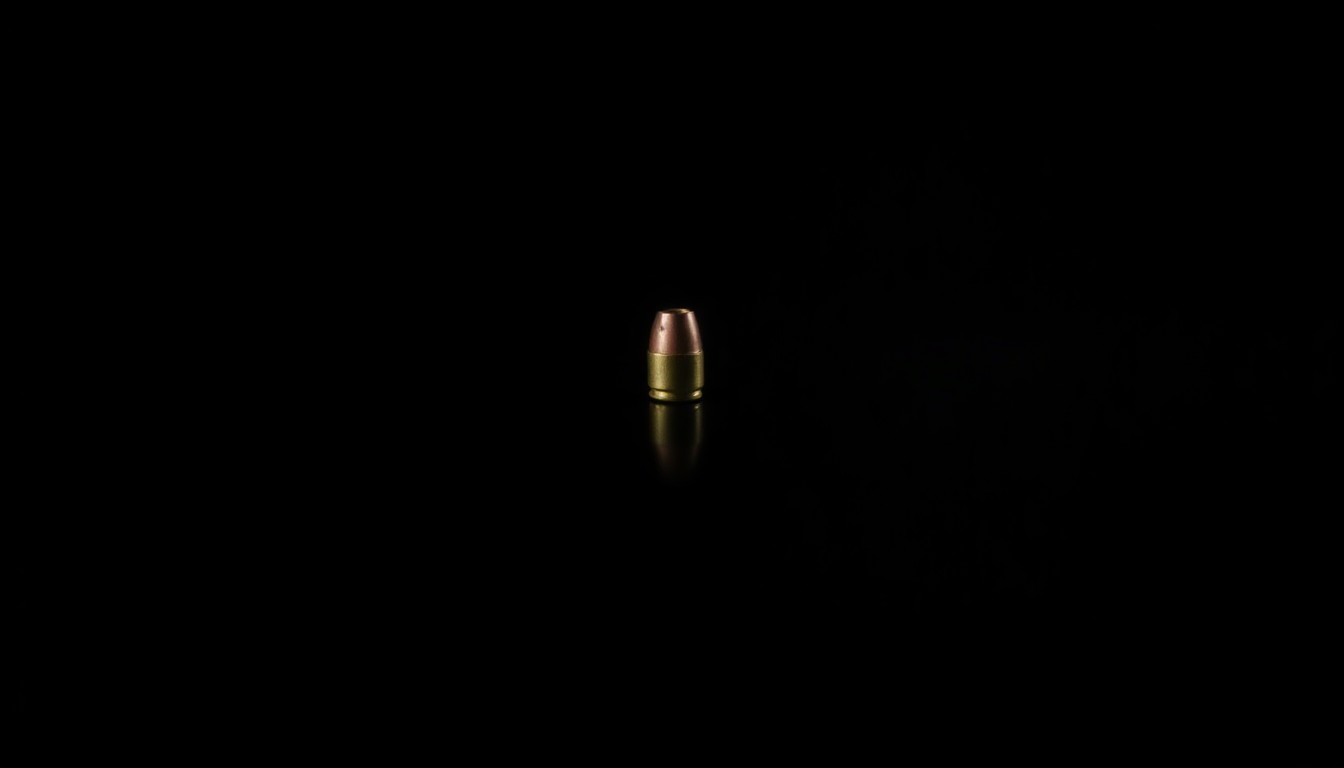 The forensic evidence in the high-profile murder case has become a focal point of the legal battle over media access and transparency.Billings Today
The man accused of killing conservative activist Charlie Kirk is pushing for a judge to ban cameras from the courtroom, arguing that live broadcasts of the prosecution are violating his right to a fair trial. Tyler Robinson, who is facing the death penalty if convicted, claims the media coverage has been biased and sensationalized, leading to misinformation and conspiracy theories about the case.
Why it matters
This case highlights the ongoing debate around media access and transparency in high-profile criminal trials, as well as the challenges of ensuring a fair judicial process in an era of pervasive social media and online news coverage.
The details
Robinson's attorneys have cited numerous examples of what they claim is biased and prejudicial coverage, including a New York Post story that suggested Robinson confessed to Kirk's killing during a courtroom conversation, based on a 'lip reading analysis.' Prosecutors intend to seek the death penalty if Robinson is convicted of the September 10 shooting of Kirk, a conservative activist, on the Utah Valley University campus. Robinson has not yet entered a plea. Media organizations, prosecutors, and Kirk's widow are fighting to allow cameras in the courtroom, arguing that transparency is the best way to counter misinformation. However, the judge has already had to intervene to stop livestream violations of his decorum order.
- Robinson is due in court on Friday, April 17, 2026 to press his claims about biased media coverage.
- Robinson's preliminary hearing, where prosecutors must show they have enough evidence to proceed to trial, is scheduled for May 2026.
The players
Tyler Robinson
The 23-year-old man accused of killing conservative activist Charlie Kirk. He is facing the death penalty if convicted of aggravated murder.
Charlie Kirk
The conservative activist who was shot and killed while addressing a crowd of thousands on the Utah Valley University campus in Orem on September 10.
Erika Kirk
The widow of Charlie Kirk.
Judge Tony Graf
The judge presiding over the Tyler Robinson case, who has had to intervene to stop media livestream violations of his courtroom decorum order.
Mike Judd
A lawyer representing a coalition of media organizations, including The Associated Press, that have been fighting to preserve access to the court proceedings.
What they’re saying
“The predominant purpose being served by the live stream coverage has not been the educational reporting of the court proceedings, but rather advertising profit, sensationalism, political agendas, and, most prominently, the vilification of Mr. Robinson.”
— Tyler Robinson's attorneys
“The court can do all of that in order to try to control what gets fed into that media ecosystem. You reduce the likelihood of somebody publishing things that you think may be of potentially biasing concern later on.”
— Mike Judd, Lawyer for media coalition
What’s next
The judge will rule on Robinson's request to ban cameras from the courtroom ahead of his May 2026 preliminary hearing, where prosecutors must show they have enough evidence to proceed to trial. Additional forensic testing is also ongoing regarding the bullet that killed Kirk.
The takeaway
This case highlights the ongoing tension between media transparency and the right to a fair trial, as well as the challenges of ensuring justice in an era of pervasive online news coverage and social media speculation. The judge's decisions on camera access and the management of evidence will be crucial in determining how this high-profile case proceeds.