- Today
- Holidays
- Birthdays
- Reminders
- Cities
- Atlanta
- Austin
- Baltimore
- Berwyn
- Beverly Hills
- Birmingham
- Boston
- Brooklyn
- Buffalo
- Charlotte
- Chicago
- Cincinnati
- Cleveland
- Columbus
- Dallas
- Denver
- Detroit
- Fort Worth
- Houston
- Indianapolis
- Knoxville
- Las Vegas
- Los Angeles
- Louisville
- Madison
- Memphis
- Miami
- Milwaukee
- Minneapolis
- Nashville
- New Orleans
- New York
- Omaha
- Orlando
- Philadelphia
- Phoenix
- Pittsburgh
- Portland
- Raleigh
- Richmond
- Rutherford
- Sacramento
- Salt Lake City
- San Antonio
- San Diego
- San Francisco
- San Jose
- Seattle
- Tampa
- Tucson
- Washington
Mississippi Lawmakers Fail to Override Governor's Vetoes
Democrats sustain Reeves' vetoes, blocking attempts to override on opioid settlement and Gulf Coast restoration funds
Apr. 16, 2026 at 4:34pm
Got story updates? Submit your updates here. ›
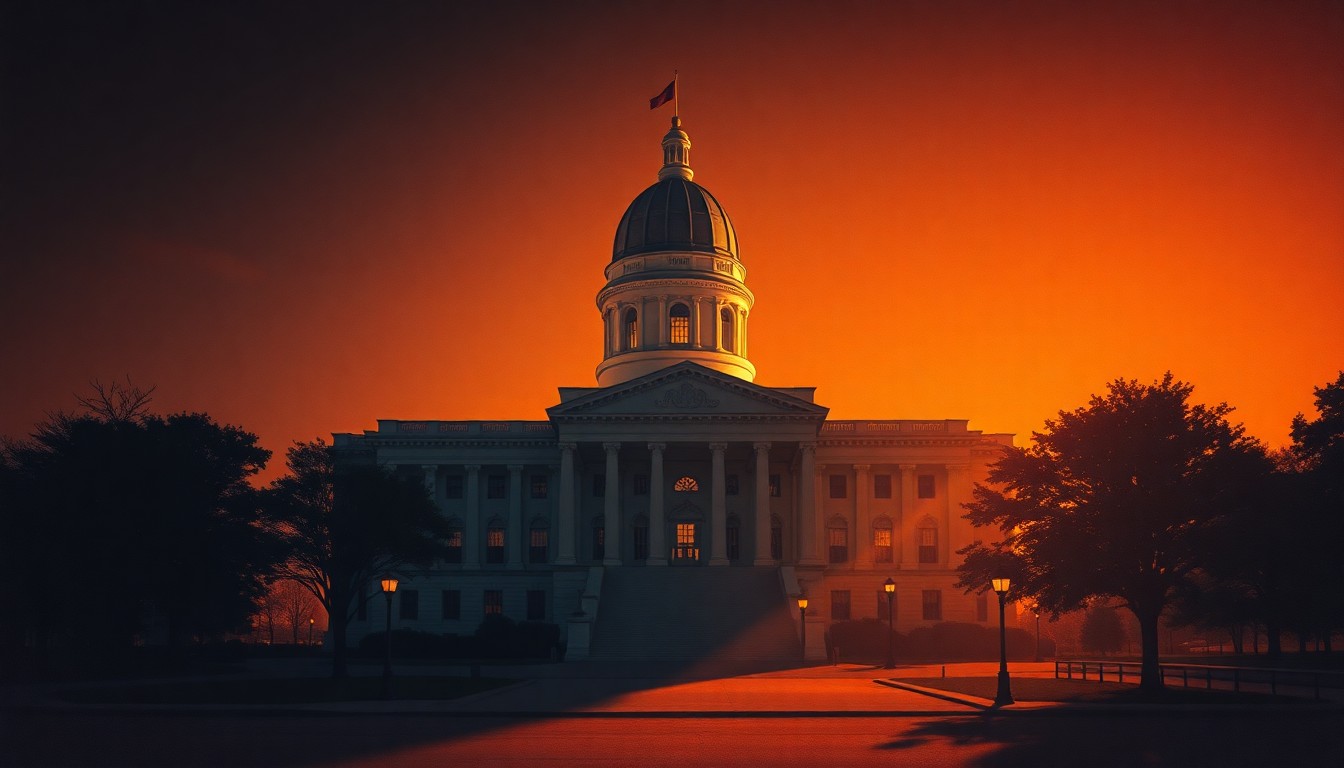 The Mississippi State Capitol stands as a silent witness to the political gridlock that prevented critical funding from reaching the state.Jackson Today
Mississippi lawmakers returned to the State Capitol expecting to override one or more of the governor's vetoes, but after hours of discussions, all vetoes remained in place. The House voted to override two vetoes, but the Senate was not successful in any of their votes. Senate Minority Leader Derrick Simmons said Democrats did not side with the governor, but rather wanted to take up a different bill first. Governor Tate Reeves had urged lawmakers not to override the veto on the Rural Healthcare Transformation Program, citing concerns over jeopardizing federal funds.
Why it matters
The failure to override the governor's vetoes means that the state will not receive the additional opioid settlement funds or be able to access the Gulf Coast Restoration Revolving Loan Program. This could have significant impacts on the state's ability to address the opioid crisis and support economic development in coastal regions.
The details
The House voted to override two of Gov. Tate Reeves' vetoes: one involving opioid settlement money and another for the Gulf Coast Restoration Revolving Loan Program. However, the Senate was not successful in any of their votes to override the vetoes. Senate Minority Leader Derrick Simmons said Democrats did not side with the governor, but rather wanted to take up a different bill first. Leading up to the session, Reeves had urged members not to override the veto on the Rural Healthcare Transformation Program, stating it would jeopardize federal funds.
- The Mississippi legislature returned to the State Capitol on April 16, 2026 expecting to override one or more of the governor's vetoes.
The players
Tate Reeves
The Governor of Mississippi who issued the vetoes that the legislature failed to override.
Brice Wiggins
A Republican state senator from Jackson County.
Derrick Simmons
The Senate Minority Leader, a Democrat.
Sam Creekmore
The Republican chairman of the House Public Health Committee.
What they’re saying
“'At the end of the day, when you look at the votes – which is what's the record – then it was Democrats who sustained his vetoes.'”
— Brice Wiggins, State Senator
“'We wanted to take up Senate Bill 2477, the rule of health transformation bill, first…because we did not take that bill up, unfortunately, Democrats were not interested in anything else.'”
— Derrick Simmons, Senate Minority Leader
“'I certainly think it made a difference. And look, you know, if you're a governor, you're gonna do that. It's your veto. You don't want it to be overridden.'”
— Brice Wiggins, State Senator
“'I truly believe they had the votes. For whatever reason, politically or whatever, it did not come up.'”
— Sam Creekmore, House Public Health Chairman
What’s next
The lack of action from the legislature will not prevent funds from coming into the state, but it does mean the state will not receive the additional opioid settlement funds or be able to access the Gulf Coast Restoration Revolving Loan Program.
The takeaway
The failure of the Mississippi legislature to override the governor's vetoes highlights the ongoing political tensions and divisions within the state government. The inability to reach a consensus on important issues like opioid funding and coastal restoration could have lasting impacts on the state's ability to address these critical challenges.
Jackson top stories



Jackson events

Apr. 18, 2026
You Were Made For Me - The Stage Play
Apr. 20, 2026
American Aquarium w/ Jonathan Peyton
Apr. 21, 2026
Melt w/ Claire Ernst