- Today
- Holidays
- Birthdays
- Reminders
- Cities
- Atlanta
- Austin
- Baltimore
- Berwyn
- Beverly Hills
- Birmingham
- Boston
- Brooklyn
- Buffalo
- Charlotte
- Chicago
- Cincinnati
- Cleveland
- Columbus
- Dallas
- Denver
- Detroit
- Fort Worth
- Houston
- Indianapolis
- Knoxville
- Las Vegas
- Los Angeles
- Louisville
- Madison
- Memphis
- Miami
- Milwaukee
- Minneapolis
- Nashville
- New Orleans
- New York
- Omaha
- Orlando
- Philadelphia
- Phoenix
- Pittsburgh
- Portland
- Raleigh
- Richmond
- Rutherford
- Sacramento
- Salt Lake City
- San Antonio
- San Diego
- San Francisco
- San Jose
- Seattle
- Tampa
- Tucson
- Washington
Crowley Today
By the People, for the People
Louisiana Crawfish Industry Struggles with Foreign Labor Shortage
Seasonal guest worker visa delays hamper peak crawfish season for processors and restaurants
Mar. 29, 2026 at 7:20am
Got story updates? Submit your updates here. ›
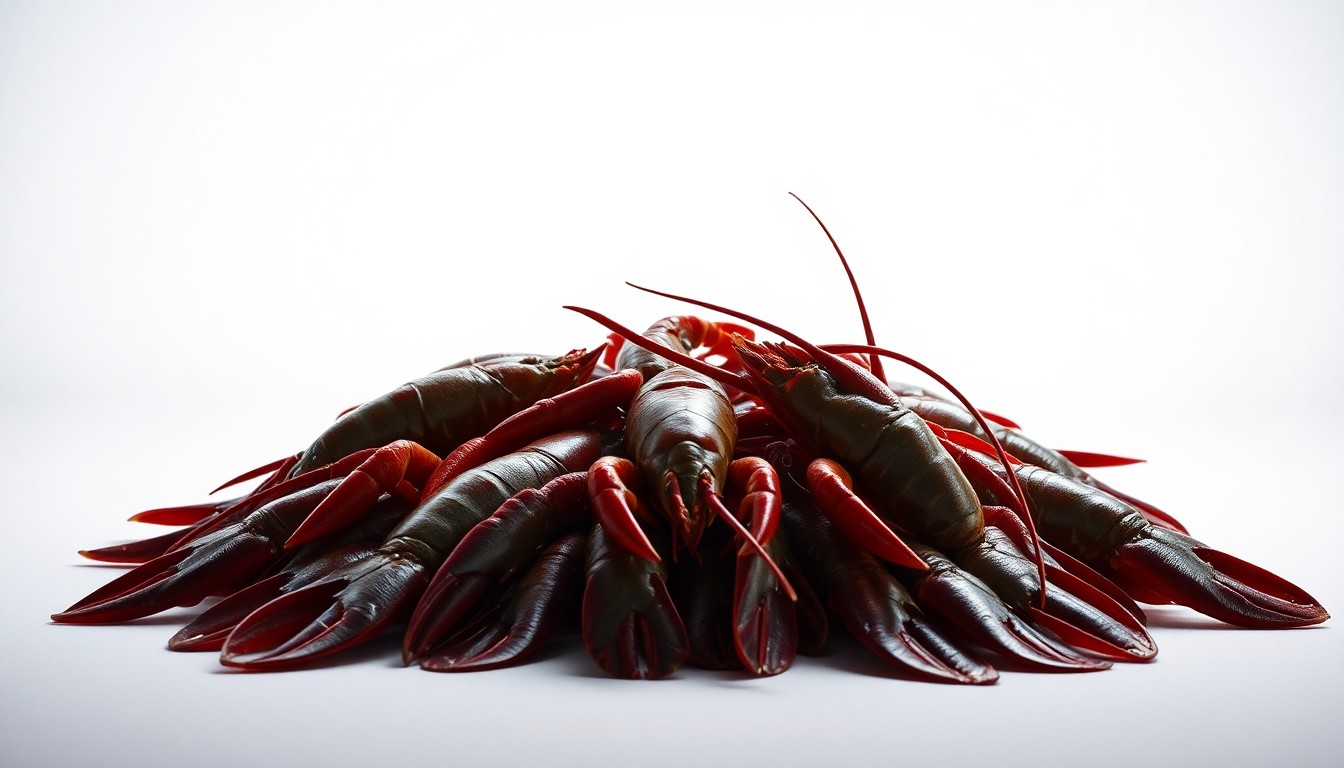 The labor shortage plaguing Louisiana's crawfish industry threatens to disrupt the supply and drive up prices for this beloved regional delicacy.Crowley Today
Louisiana's $300 million crawfish industry is facing a labor crisis as the Trump administration's delays in issuing seasonal guest worker visas have left many processing plants without the foreign workers they rely on to shell and package the freshwater crustaceans during the peak spring season. Crawfish producers say the lack of guest workers, many from Mexico and Central America, will lead to higher prices for consumers and potentially disrupt the supply of crawfish for popular backyard boils and Cajun dishes.
Why it matters
The crawfish industry is a vital part of Louisiana's economy and cultural identity, with the hard-shelled crustaceans a signature ingredient in many regional dishes. The labor shortage caused by the federal government's visa delays threatens to undermine this important industry and impact consumers already facing affordability challenges.
The details
Large-scale crawfish producers in Louisiana's bayou region use guest workers hired on H-2B visas to handle the labor-intensive tasks of shelling and freezing the crawfish pulled from swampy rice fields. However, the Department of Homeland Security delayed the release of supplemental H-2B visas this year, with the initial cap set at 35,000 - roughly half of what was authorized in recent years. This has left at least 15 of the state's 20 major crawfish processing plants without any guest workers for the peak spring season.
- The crawfish season in Louisiana typically runs from March to June.
- The Department of Homeland Security is required to release 66,000 H-2B visas each year, with the ability to release nearly double that amount.
- The Trump administration did not release supplemental H-2B visas until February 2026, initially capping them at 35,000 before eventually authorizing nearly 65,000.
The players
Alan Lawson
Operator of a crawfish production facility in Crowley, Louisiana.
Mike Strain
Louisiana Department of Agriculture and Forestry Commissioner.
David Savoy
Crawfish processor in Louisiana.
Julia Gelatt
Associate director of the U.S. Immigration Policy Program at the Migration Policy Institute.
Donald Trump
Former President of the United States.
What they’re saying
“People have built businesses around these workers and this year we can't get them. This industry would not exist without it because the American people don't want to do the jobs we're offering.”
— Alan Lawson, Crawfish producer
“The Trump administration's indifference to their plight has been 'unacceptable'.”
— Mike Strain, Louisiana Department of Agriculture and Forestry Commissioner
“I can't put the crawfish somewhere else. They have to be peeled at this time. The locals don't want to do it, I've tried -- standing on concrete for seven, eight hours a day, peeling crawfish until your hands hurt.”
— David Savoy, Crawfish processor
“There's much less of a push to facilitate legal immigration. It's not a high priority to make sure that the immigration system is moving smoothly.”
— Julia Gelatt, Associate director, U.S. Immigration Policy Program, Migration Policy Institute
What’s next
The Department of Homeland Security has said it will continue to work with the Department of Labor to address the crawfish industry's workforce needs, but it remains unclear if and when additional guest worker visas will be authorized in time to salvage the 2026 season.
The takeaway
The crawfish labor shortage highlights the broader challenges facing U.S. businesses that rely on seasonal foreign workers, as the federal government struggles to keep pace with evolving workforce demands. This crisis threatens the viability of a cherished regional industry and could mean higher prices for consumers already facing economic pressures.