- Today
- Holidays
- Birthdays
- Reminders
- Cities
- Atlanta
- Austin
- Baltimore
- Berwyn
- Beverly Hills
- Birmingham
- Boston
- Brooklyn
- Buffalo
- Charlotte
- Chicago
- Cincinnati
- Cleveland
- Columbus
- Dallas
- Denver
- Detroit
- Fort Worth
- Houston
- Indianapolis
- Knoxville
- Las Vegas
- Los Angeles
- Louisville
- Madison
- Memphis
- Miami
- Milwaukee
- Minneapolis
- Nashville
- New Orleans
- New York
- Omaha
- Orlando
- Philadelphia
- Phoenix
- Pittsburgh
- Portland
- Raleigh
- Richmond
- Rutherford
- Sacramento
- Salt Lake City
- San Antonio
- San Diego
- San Francisco
- San Jose
- Seattle
- Tampa
- Tucson
- Washington
Crowley Today
By the People, for the People
Louisiana's Crawfish Industry Faces Labor Shortage
Limits on foreign workers strain $300 million industry during peak season
Mar. 26, 2026 at 9:18am
Got story updates? Submit your updates here. ›
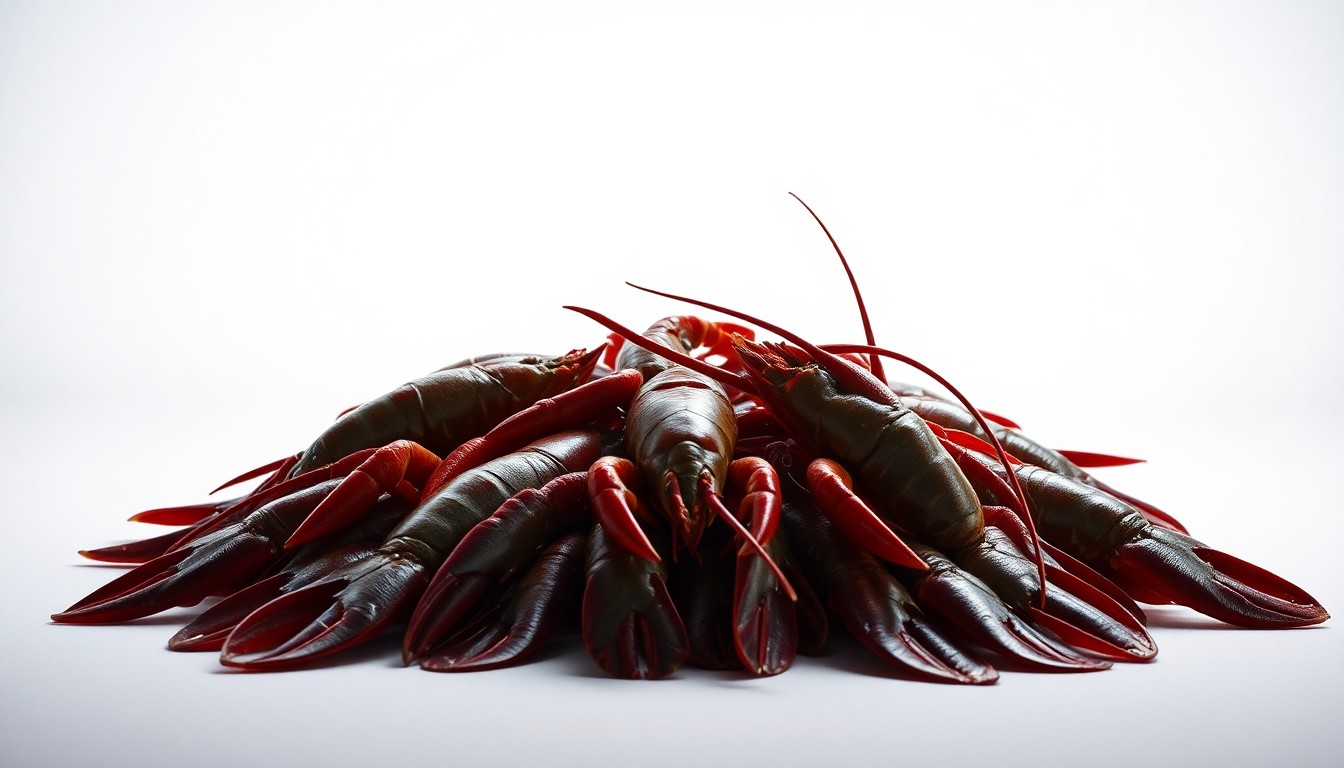
Louisiana's crawfish industry, a $300 million business and a source of state pride, is struggling with a shortage of foreign guest workers needed to shell and process the freshwater crustaceans during peak season. Crawfish producers say they have been unable to get enough H-2B visas for workers from Mexico and Central America, blaming the Trump administration's policies that have restricted legal immigration avenues. The labor shortage is expected to drive up prices for consumers and force some restaurants to limit crawfish dishes on their menus.
Why it matters
The crawfish industry is a vital part of Louisiana's culture and economy, with the state producing the majority of the nation's crawfish. The labor shortage threatens the industry's ability to meet demand during the peak season, which could have ripple effects on restaurants, processors, and consumers across the state and region.
The details
Large-scale crawfish producers rely on guest workers hired on H-2B visas to shell and freeze the freshwater catch, often pulled from swampy rice fields. But this year, many producers say they have been unable to get the necessary visas, with the Department of Homeland Security releasing the visas later than usual. At least 15 of the state's 20 major crawfish processing plants have no guest workers this year, according to the Louisiana Department of Agriculture and Forestry Commissioner. Crawfish processors say they have tried to hire local workers, but few are willing to do the grueling, hours-long work of peeling crawfish.
- Crawfish season typically runs from March to June.
- The Department of Homeland Security released the H-2B visas in February, after Louisiana's crawfish season had already begun.
The players
Alan Lawson
Runs a crawfish production facility in the rural town of Crowley.
Andy Brown
Public Policy Coordinator at the Louisiana Farm Bureau Federation.
Mike Strain
Republican Louisiana Department of Agriculture and Forestry Commissioner.
David Savoy
Crawfish processor.
Chandra Chifici
Owner of the New Orleans seafood restaurant Deanie's.
What they’re saying
“People have built businesses around these workers and this year we can't get them. This industry would not exist without it because the American people don't want to do the jobs we're offering.”
— Alan Lawson, Crawfish producer
“The demand is there but the supply is not. These businesses want to follow the law. They want to go through the legal parameters to meet their labor needs.”
— Andy Brown, Public Policy Coordinator, Louisiana Farm Bureau Federation
“The Trump administration's indifference to their plight has been 'unacceptable'.”
— Mike Strain, Louisiana Department of Agriculture and Forestry Commissioner
“I can't put the crawfish somewhere else. They have to be peeled at this time. The locals don't want to do it, I've tried — standing on concrete for seven, eight hours a day, peeling crawfish until your hands hurt.”
— David Savoy, Crawfish processor
“Some companies might not be able to have some of their dishes on the menu. When tourists come into town, that's what they're here for.”
— Chandra Chifici, Owner, Deanie's seafood restaurant
What’s next
The Department of Homeland Security can begin offering supplemental H-2B visas in consultation with the Department of Labor at the start of the federal fiscal year in October. However, the Trump administration did not release supplemental visas until February, and initially capped them at 35,000, roughly half of what the Biden administration later authorized.
The takeaway
The crawfish industry's labor shortage highlights the challenges faced by businesses that rely on seasonal foreign workers, as well as the broader debate over immigration policy and its impact on the U.S. economy. The situation underscores the need for a more flexible and responsive guest worker program to support industries like crawfish that are vital to local and regional economies.