- Today
- Holidays
- Birthdays
- Reminders
- Cities
- Atlanta
- Austin
- Baltimore
- Berwyn
- Beverly Hills
- Birmingham
- Boston
- Brooklyn
- Buffalo
- Charlotte
- Chicago
- Cincinnati
- Cleveland
- Columbus
- Dallas
- Denver
- Detroit
- Fort Worth
- Houston
- Indianapolis
- Knoxville
- Las Vegas
- Los Angeles
- Louisville
- Madison
- Memphis
- Miami
- Milwaukee
- Minneapolis
- Nashville
- New Orleans
- New York
- Omaha
- Orlando
- Philadelphia
- Phoenix
- Pittsburgh
- Portland
- Raleigh
- Richmond
- Rutherford
- Sacramento
- Salt Lake City
- San Antonio
- San Diego
- San Francisco
- San Jose
- Seattle
- Tampa
- Tucson
- Washington
Trump and Vance Clash With Pope Over Politics and AI Image
The administration's feud with the Vatican intensifies over foreign policy and a controversial social media post.
Apr. 14, 2026 at 11:10am
Got story updates? Submit your updates here. ›
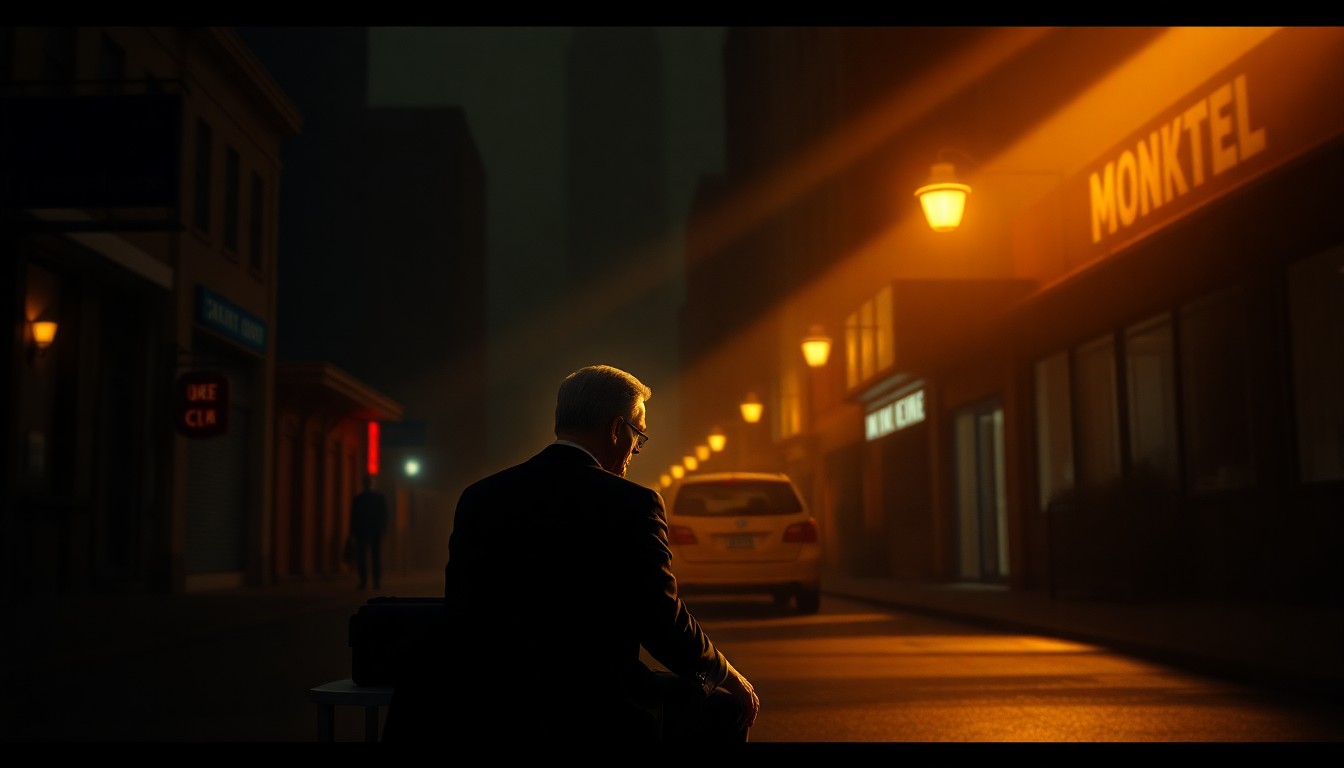 The escalating feud between the White House and the Vatican casts a somber, introspective mood over the political landscape.Chicago Today
The administration of President Donald Trump and Vice President JD Vance have entered a public conflict with Pope Leo XIV over U.S. foreign policy, particularly regarding the ongoing war in Iran. The tension escalated after the Pope criticized the administration's approach, leading to a series of attacks from President Trump. The dispute has been further complicated by a social media post from Trump featuring an AI-generated image depicting him in a Jesus-like manner, which has drawn significant criticism from religious leaders and the public.
Why it matters
The clash between the U.S. administration and the Vatican highlights the ongoing tension between political and religious spheres, as well as the growing influence of AI technology in shaping public discourse. The controversy has the potential to impact the administration's relationship with the Catholic community, both domestically and globally.
The details
President Trump responded to the Pope's remarks with a series of attacks on social media and during a White House appearance, describing the Pope as weak and claiming he was terrible at foreign policy. Vice President JD Vance, who is Catholic, defended the president's position, urging the Vatican to stick to matters of morality rather than intervening in U.S. political and strategic decisions. The dispute has been further complicated by a social media post from President Trump featuring an AI-generated image depicting him in a Jesus-like manner, which has drawn significant criticism from religious leaders and the public.
- On April 13, 2026, President Trump responded to the Pope's remarks with a series of attacks.
- In March 2026, Pope Leo XIV sent a letter of encouragement to Loyola University in Chicago.
The players
Donald Trump
The 45th President of the United States, who is currently engaged in a public conflict with Pope Leo XIV over U.S. foreign policy and the use of AI-generated imagery.
JD Vance
The current Vice President of the United States, who is Catholic and has defended President Trump's position in the ongoing feud with the Vatican.
Pope Leo XIV
The current Pope, who has criticized the Trump administration's approach to the ongoing war in Iran and has been the target of attacks from the president.
Cardinal Blasé Cupich
The Cardinal of Chicago, who read a letter of encouragement from Pope Leo XIV during an International Peace and Reconciliation conference in March 2026.
Loyola University
A university in Chicago that received a letter of encouragement from Pope Leo XIV, which was read by Cardinal Blasé Cupich.
What they’re saying
“I have no fear of the Trump administration, nor speaking out loudly about the message of the gospel”
— Pope Leo XIV
“The Pope should stay out of United States affairs.”
— JD Vance, Vice President
What’s next
The administration's feud with the Vatican is likely to continue, with both sides expected to maintain their positions on the role of religion in politics and the use of AI technology. The impact on the administration's relationship with the Catholic community, both domestically and globally, will be closely watched.
The takeaway
This clash between the U.S. administration and the Vatican highlights the ongoing tension between political and religious spheres, as well as the growing influence of AI technology in shaping public discourse. The controversy has the potential to impact the administration's relationship with the Catholic community and raises questions about the appropriate boundaries between politics and religion.
Chicago top stories
Chicago events
Apr. 14, 2026
Des Rocs, ROMES, King Falcon

Apr. 14, 2026
*SOLD OUT* Gilmore Girls, but Chicago