- Today
- Holidays
- Birthdays
- Reminders
- Cities
- Atlanta
- Austin
- Baltimore
- Berwyn
- Beverly Hills
- Birmingham
- Boston
- Brooklyn
- Buffalo
- Charlotte
- Chicago
- Cincinnati
- Cleveland
- Columbus
- Dallas
- Denver
- Detroit
- Fort Worth
- Houston
- Indianapolis
- Knoxville
- Las Vegas
- Los Angeles
- Louisville
- Madison
- Memphis
- Miami
- Milwaukee
- Minneapolis
- Nashville
- New Orleans
- New York
- Omaha
- Orlando
- Philadelphia
- Phoenix
- Pittsburgh
- Portland
- Raleigh
- Richmond
- Rutherford
- Sacramento
- Salt Lake City
- San Antonio
- San Diego
- San Francisco
- San Jose
- Seattle
- Tampa
- Tucson
- Washington
Carbondale Today
By the People, for the People
EPA Puts Proposed Spray Drift Rules on Hold
Farmers and ag groups successfully pushed back on restrictions they deemed too strict.
Apr. 18, 2026 at 7:41am
Got story updates? Submit your updates here. ›
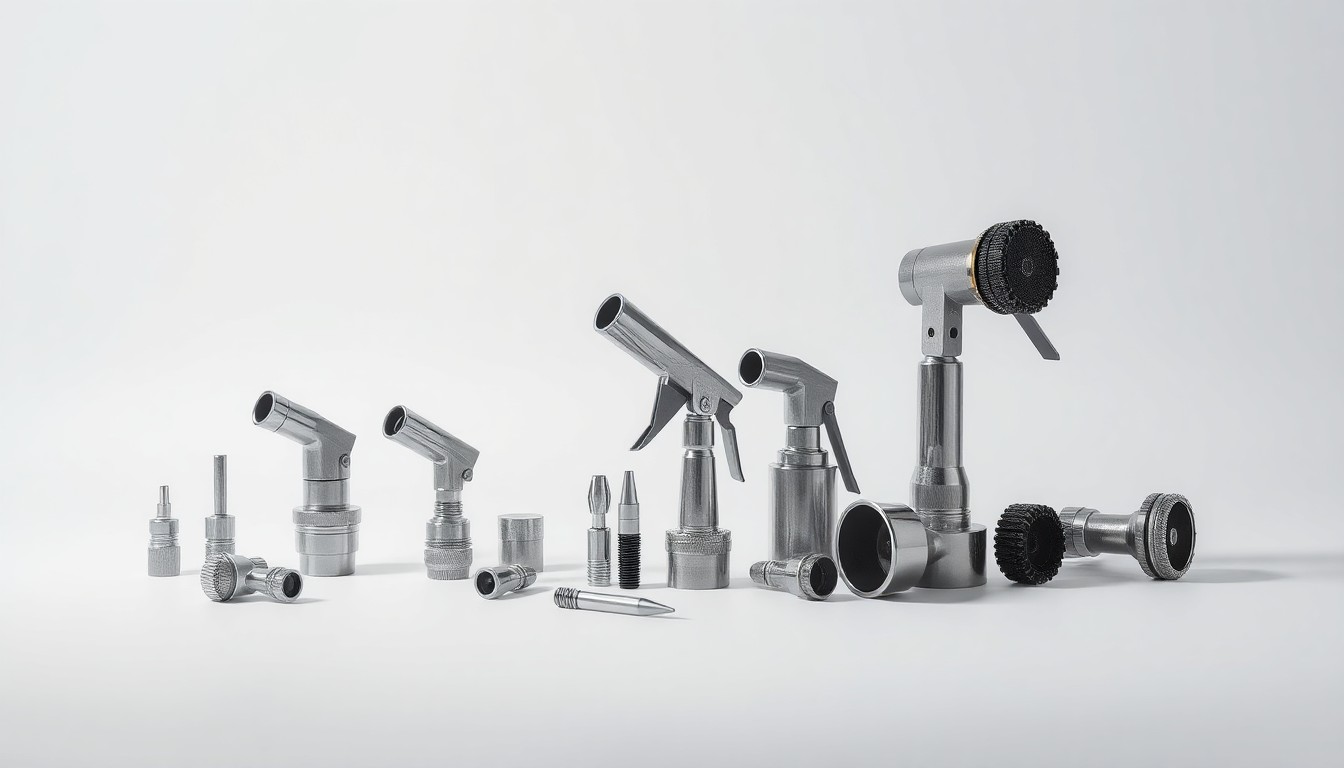 As the EPA reconsiders its proposed herbicide spray drift rules, the agricultural industry's precision equipment remains a point of contention between modern farming practices and environmental concerns.Carbondale Today
After receiving over 5,000 letters, phone calls, and other feedback from farmers, ag dealers, and educators who felt the proposed EPA guidelines on herbicide spray drift were unfair, the U.S. Environmental Protection Agency has placed its recommendations on hold. The proposed rules included restrictions on spraying when wind speeds exceeded 10 mph and limited nozzle heights to 4 feet off the ground.
Why it matters
The proposed EPA rules were seen as overly restrictive by many in the agriculture industry, who argued that the wind speed and nozzle height limits would make it difficult to effectively apply herbicides, especially in certain regions like the Midwest where windy conditions are common. The decision to put the rules on hold is a win for farmers and ag groups who successfully pushed back against the regulations.
The details
The EPA's proposed guidelines would have restricted spraying whenever wind speeds exceeded 10 mph and stated that nozzle heights could not be more than 4 feet off the ground. Jean Trobec, government relations director with the Illinois Chemical and Fertilizer Association, says studies have shown there are few days in the spring and fall when wind speeds are under 10 mph in Illinois, with Western states having even fewer. Agronomist Bryan Young at Southern Illinois University has done 3 years of research on herbicide drift and says there is more opportunity for drift with post-emergence applications, though his work has focused on using varying droplet sizes to overcome drift concerns.
- The EPA recently placed its recommendations regarding herbicide-drift tolerance on hold.
- The proposed EPA guidelines were released over a year ago and analyzed during that time.
The players
U.S. Environmental Protection Agency (EPA)
The federal agency that had proposed new guidelines for herbicide spray drift that are now on hold.
Jean Trobec
Government relations director with the Illinois Chemical and Fertilizer Association, who says studies have shown there are few days in the spring and fall when wind speeds are under 10 mph in Illinois.
Bryan Young
Agronomist at Southern Illinois University who has done 3 years of research on herbicide drift, focusing on using varying droplet sizes to overcome drift concerns.
What they’re saying
“Without a doubt, there is more opportunity for drift to occur because of post-emergence application.”
— Bryan Young, Agronomist
“Studies have shown that there are few days in the spring and fall when wind speeds were under 10 mph in Illinois. Western states have even fewer days where wind speeds are under 10 mph.”
— Jean Trobec, Government relations director
What’s next
The EPA will continue to analyze the feedback it received and determine next steps regarding potential new herbicide spray drift regulations.
The takeaway
The EPA's proposed restrictions on herbicide spraying were seen as too strict by many in the agriculture industry. The decision to put the rules on hold is a victory for farmers and ag groups who successfully pushed back, arguing the limits would make it difficult to effectively apply herbicides, especially in windy regions.