- Today
- Holidays
- Birthdays
- Reminders
- Cities
- Atlanta
- Austin
- Baltimore
- Berwyn
- Beverly Hills
- Birmingham
- Boston
- Brooklyn
- Buffalo
- Charlotte
- Chicago
- Cincinnati
- Cleveland
- Columbus
- Dallas
- Denver
- Detroit
- Fort Worth
- Houston
- Indianapolis
- Knoxville
- Las Vegas
- Los Angeles
- Louisville
- Madison
- Memphis
- Miami
- Milwaukee
- Minneapolis
- Nashville
- New Orleans
- New York
- Omaha
- Orlando
- Philadelphia
- Phoenix
- Pittsburgh
- Portland
- Raleigh
- Richmond
- Rutherford
- Sacramento
- Salt Lake City
- San Antonio
- San Diego
- San Francisco
- San Jose
- Seattle
- Tampa
- Tucson
- Washington
Carbondale Today
By the People, for the People
EPA Delays Proposed Spray Drift Rules After Farmer Backlash
Restrictions on wind speeds and nozzle heights were met with strong opposition from farmers and industry groups.
Apr. 18, 2026 at 7:50am
Got story updates? Submit your updates here. ›
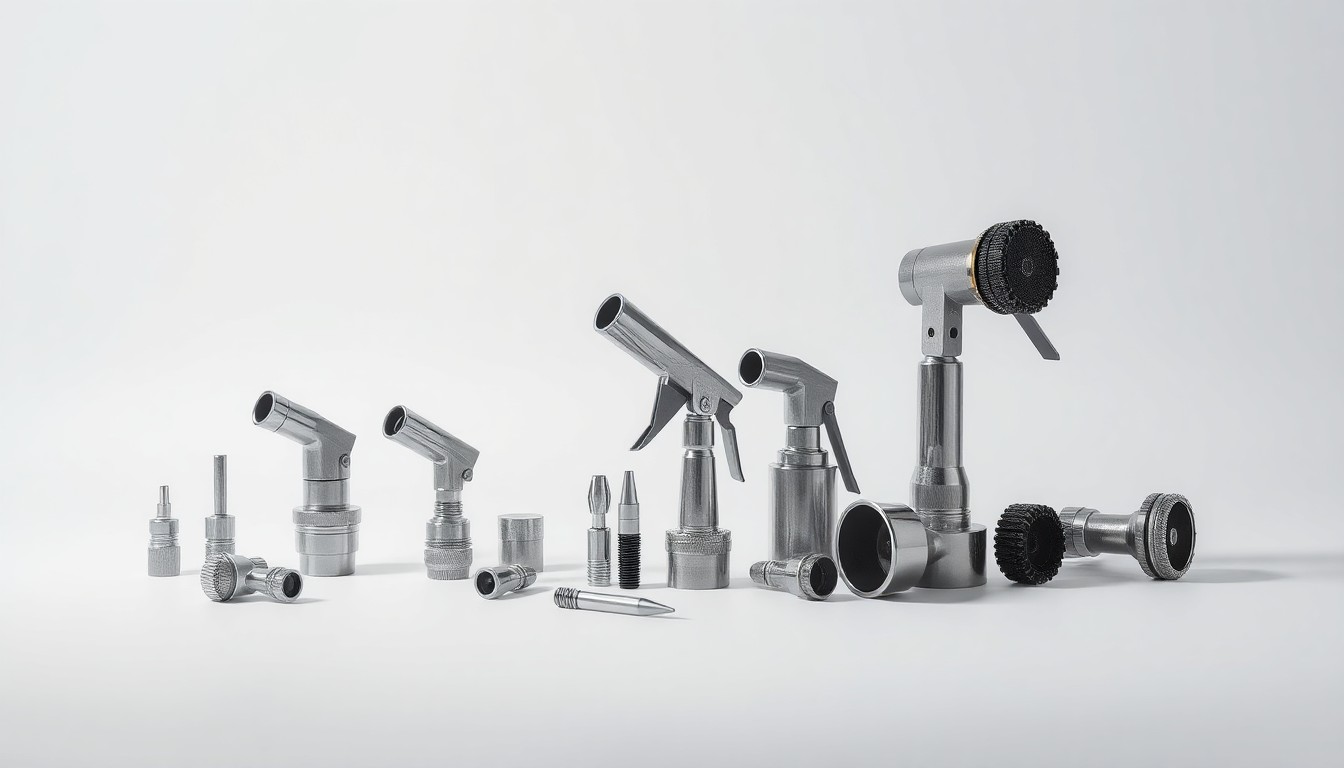
 A still-life study of the tools and technology at the heart of the debate over federal herbicide-drift regulations.Carbondale Today
The U.S. Environmental Protection Agency (EPA) has placed its recommendations regarding herbicide-drift tolerance on hold after receiving over 5,000 letters, phone calls, and other feedback from farmers, agricultural dealers, and educators who felt the proposed spraying restrictions were unfair and unworkable.
Why it matters
The proposed EPA guidelines would have significantly limited when and how farmers could apply herbicides, which is a critical tool for controlling weeds in no-till farming systems. Farmers and industry groups argued the restrictions were not based on sound science and would have severely impacted their ability to effectively manage their crops.
The details
The EPA's proposed guidelines included limiting spraying to wind speeds under 10 mph and nozzle heights no more than 4 feet off the ground. However, studies have shown there are few days in the spring and fall when wind speeds are that low, especially in Western states. Agronomists like Bryan Young at Southern Illinois University have been researching ways to mitigate herbicide drift through droplet size and application methods, but argue the EPA's blanket restrictions went too far.
- The EPA proposed the herbicide-drift guidelines over a year ago.
- The agency recently placed the recommendations on hold after receiving over 5,000 comments from the agricultural community.
The players
U.S. Environmental Protection Agency (EPA)
The federal agency responsible for proposing the herbicide-drift guidelines that faced strong opposition from farmers.
Jean Trobec
Government relations director with the Illinois Chemical and Fertilizer Association, who argued the proposed wind speed restrictions were unworkable in many parts of the country.
Bryan Young
Agronomist at Southern Illinois University who has conducted research on mitigating herbicide drift through application methods, but believes the EPA's proposed rules went too far.
What they’re saying
“Without a doubt, there is more opportunity for drift to occur because of post-emergence application.”
— Bryan Young, Agronomist
“Studies have shown that there are few days in the spring and fall when wind speeds were under 10 mph in Illinois. Western states have even fewer days where wind speeds are under 10 mph.”
— Jean Trobec, Government Relations Director
What’s next
The EPA is expected to review the feedback it received and potentially revise its proposed herbicide-drift guidelines before issuing any final rules.
The takeaway
This episode highlights the ongoing tension between regulators seeking to limit environmental impacts and farmers who rely on effective herbicide application to manage weeds in their no-till operations. The EPA will need to balance these competing interests as it works to finalize any new rules around herbicide drift.