- Today
- Holidays
- Birthdays
- Reminders
- Cities
- Atlanta
- Austin
- Baltimore
- Berwyn
- Beverly Hills
- Birmingham
- Boston
- Brooklyn
- Buffalo
- Charlotte
- Chicago
- Cincinnati
- Cleveland
- Columbus
- Dallas
- Denver
- Detroit
- Fort Worth
- Houston
- Indianapolis
- Knoxville
- Las Vegas
- Los Angeles
- Louisville
- Madison
- Memphis
- Miami
- Milwaukee
- Minneapolis
- Nashville
- New Orleans
- New York
- Omaha
- Orlando
- Philadelphia
- Phoenix
- Pittsburgh
- Portland
- Raleigh
- Richmond
- Rutherford
- Sacramento
- Salt Lake City
- San Antonio
- San Diego
- San Francisco
- San Jose
- Seattle
- Tampa
- Tucson
- Washington
Idaho Declares Statewide Drought Emergency Amid Record-Low Snowpack
Governor approves order citing historic warmth and water supply deficits ahead of summer irrigation season.
Apr. 15, 2026 at 9:13pm
Got story updates? Submit your updates here. ›
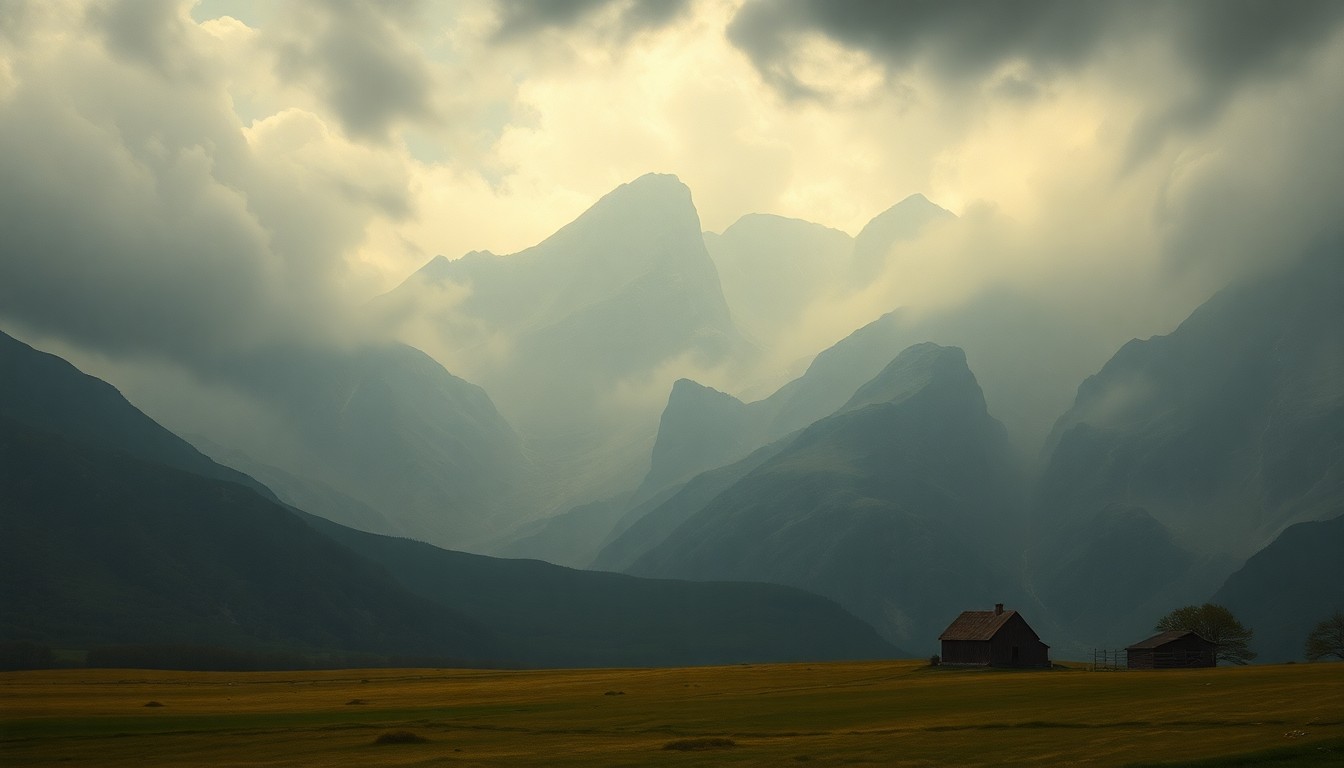 The sweeping, atmospheric landscape reflects the overwhelming power of nature as Idaho grapples with a historic drought crisis.Boise Today
Idaho has declared a statewide drought emergency for all 44 counties due to record-low snowpack and historic warmth that has accelerated snowmelt and led to projected irrigation shortages across the state. The emergency declaration by Governor Brad Little and the Idaho Department of Water Resources unlocks tools for agricultural water users to temporarily modify water rights and access federal drought assistance.
Why it matters
The severe drought conditions in Idaho threaten the state's vital agricultural industry, which relies heavily on irrigation from rivers and snowpack runoff. The record-low snowpack and early snowmelt could lead to significant water supply deficits this summer, impacting crop yields, livestock, and the broader economy.
The details
The drought emergency declaration was signed on April 13 by IDWR Director Mathew Weaver and approved the same day by Governor Brad Little. It cites Idaho's second-warmest snow accumulation season since 1896, with March 2026 being the second warmest March on record. This accelerated snowmelt, with the snowpack base rising to 6,500 feet compared to a typical 4,000 feet. By April 1, snowpack across Idaho was the lowest on record, with dozens of monitoring sites reporting record-low snow water equivalent levels.
- Idaho experienced its second-warmest snow accumulation season from October through March since 1896.
- March 2026 was the second warmest March on record dating back to 1896.
- Accelerated snowmelt began on March 17, including at elevations above 10,000 feet.
- By April 1, snowpack across Idaho was the lowest on record.
- The drought emergency declaration was signed on April 13 and approved the same day by Governor Brad Little.
The players
Brad Little
The Governor of Idaho who approved the statewide drought emergency declaration.
Mathew Weaver
The Director of the Idaho Department of Water Resources who signed the order declaring the statewide drought emergency.
Natural Resources Conservation Service
The federal agency that provided water supply forecasts projecting irrigation shortages across multiple river basins in Idaho.
What’s next
The temporary water right changes approved under the drought emergency declaration will expire no later than December 31, 2026. Agricultural water users can contact the Idaho Department of Water Resources to apply for modifications to their water rights or seek federal drought assistance.
The takeaway
The severe drought conditions in Idaho, driven by record-low snowpack and historic warmth, threaten the state's vital agricultural industry and economy. The statewide emergency declaration provides tools for water users to adapt, but the long-term impacts of this drought will likely be felt for years to come.
Boise top stories


Boise events


Apr. 17, 2026
Boise State University Theatre Arts - Grease
Apr. 17, 2026
Boise State Softball vs. UNLV